Shuttle guests arrive in busloads, not trickles
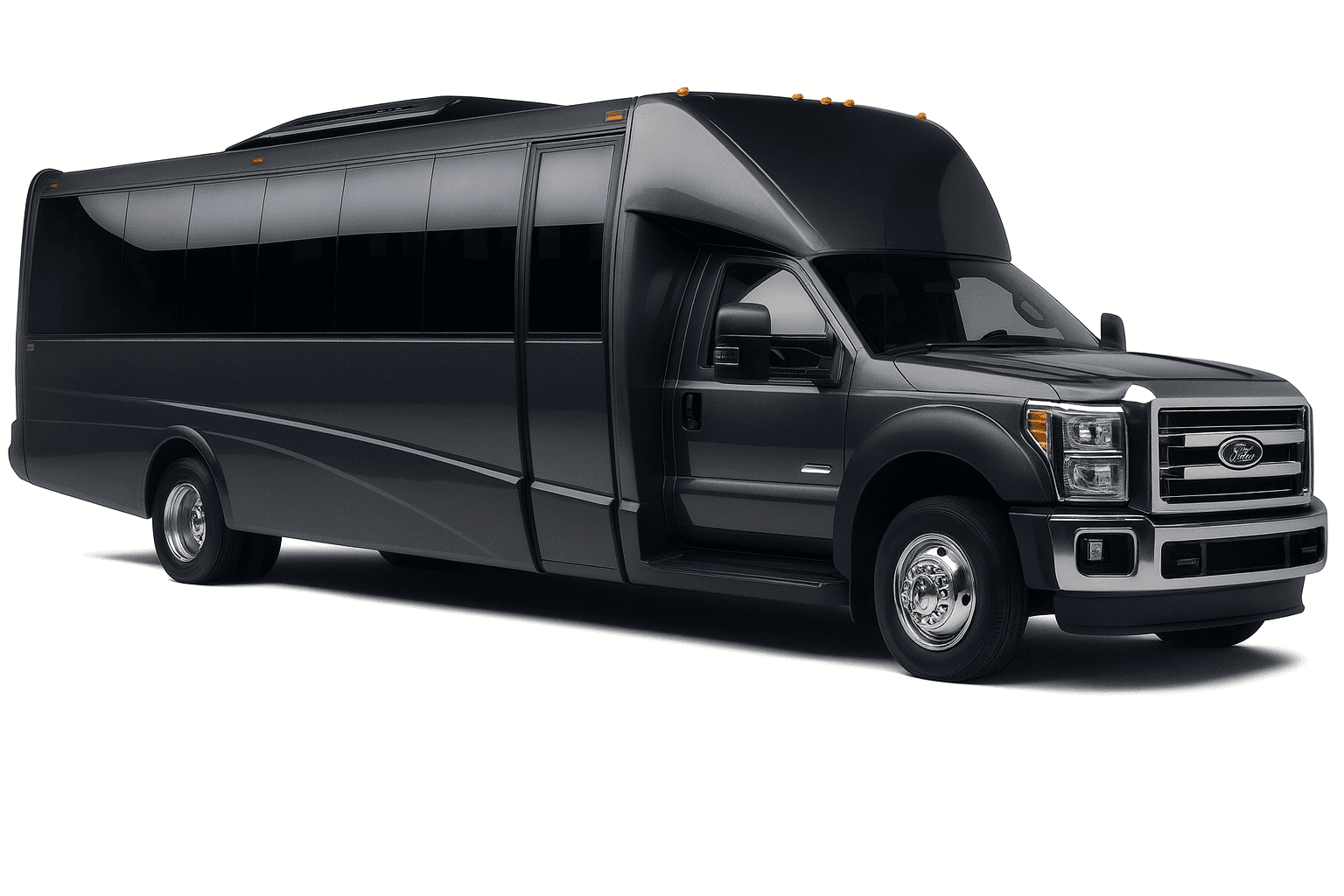
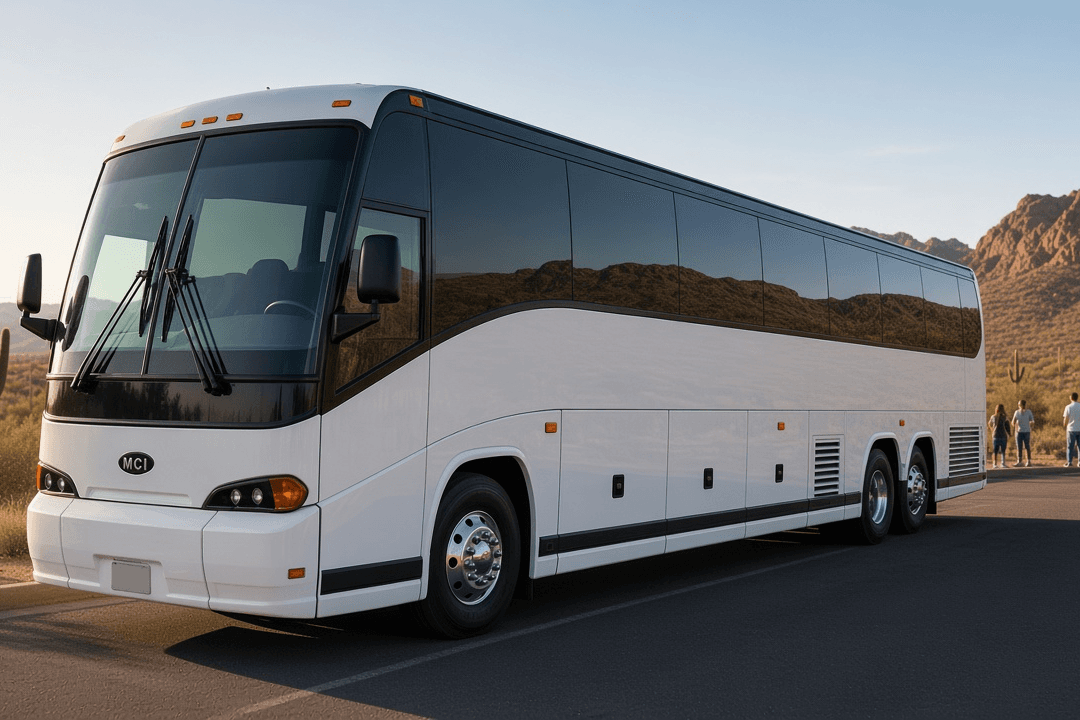
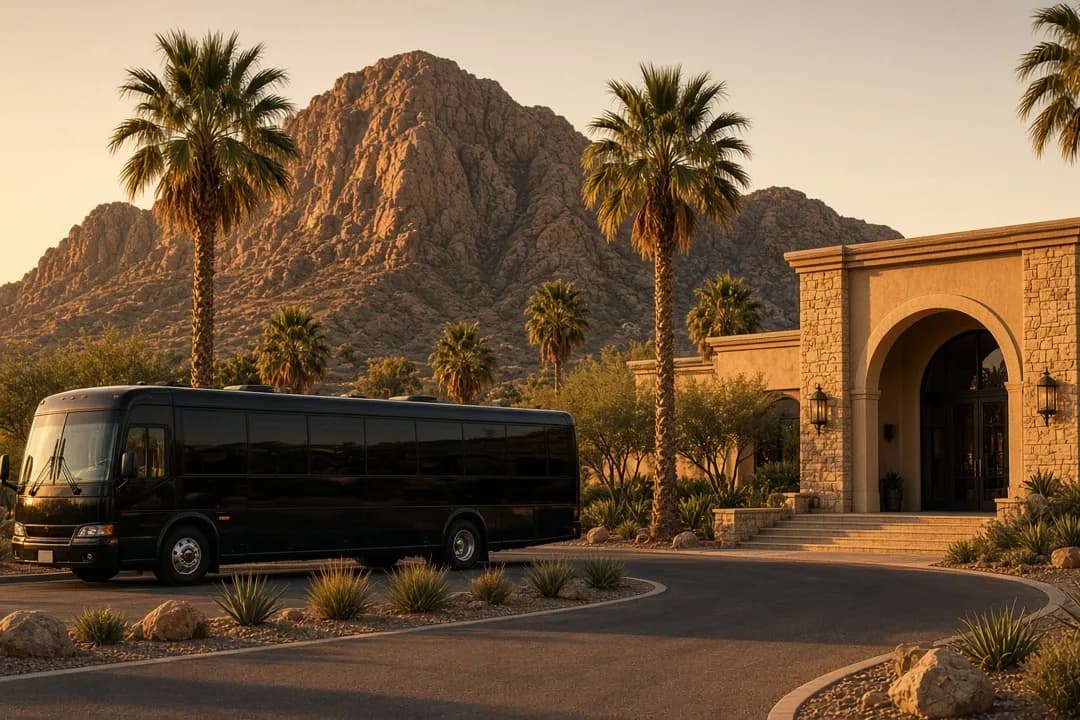
When guests drive themselves, they reach the venue a few at a time over 30 or 40 minutes. Two bartenders can keep up, and a tray of appetizers makes it around the patio before it is empty. A shuttle changes that. A 44-passenger coach opens its door and the entire cocktail hour crowd steps off together, thirsty, having just stood at a hotel curb and sat through a drive.
More than four in ten of the wedding groups we move are over 20 people, and the typical one is around 18. Weddings are where the big vehicles go. If yours has a guest shuttle, the first five minutes after each drop-off are the hardest five minutes of the night for the bar, and the caterer deserves to know exactly when they are coming.
A shuttle schedule is a staffing document. It tells the bar when the line forms and tells the kitchen when the room is finally full.
Most caterers know this well. They usually lack the schedule itself. Couples book the buses, planners hold the timeline, and the catering captain finds out about the second coach when it pulls in.
What to send the caterer, and when
Most couples call us about eleven weeks out. By then they have signed a caterer, and the final menu and staffing conversation is often still ahead. The buses and the banquet order get settled in the same few weeks, so this is the natural time to get the two in one document.
- Number of shuttle vehicles and the passenger capacity of each
- Scheduled departure from each hotel and expected arrival at the venue, per run
- Whether the vehicle makes one trip or loops back for a second load
- Where the bus unloads relative to the bar and the ceremony seating
- Return schedule: first departure, last departure, and any runs in between
- A day-of phone contact who is riding or tracking the shuttle
Build the schedule in the event timeline planner and send the caterer the same version everyone else has. If the plan changes, the caterer should hear about it the same day the chauffeur does.
A looping shuttle doubles the arrival problem
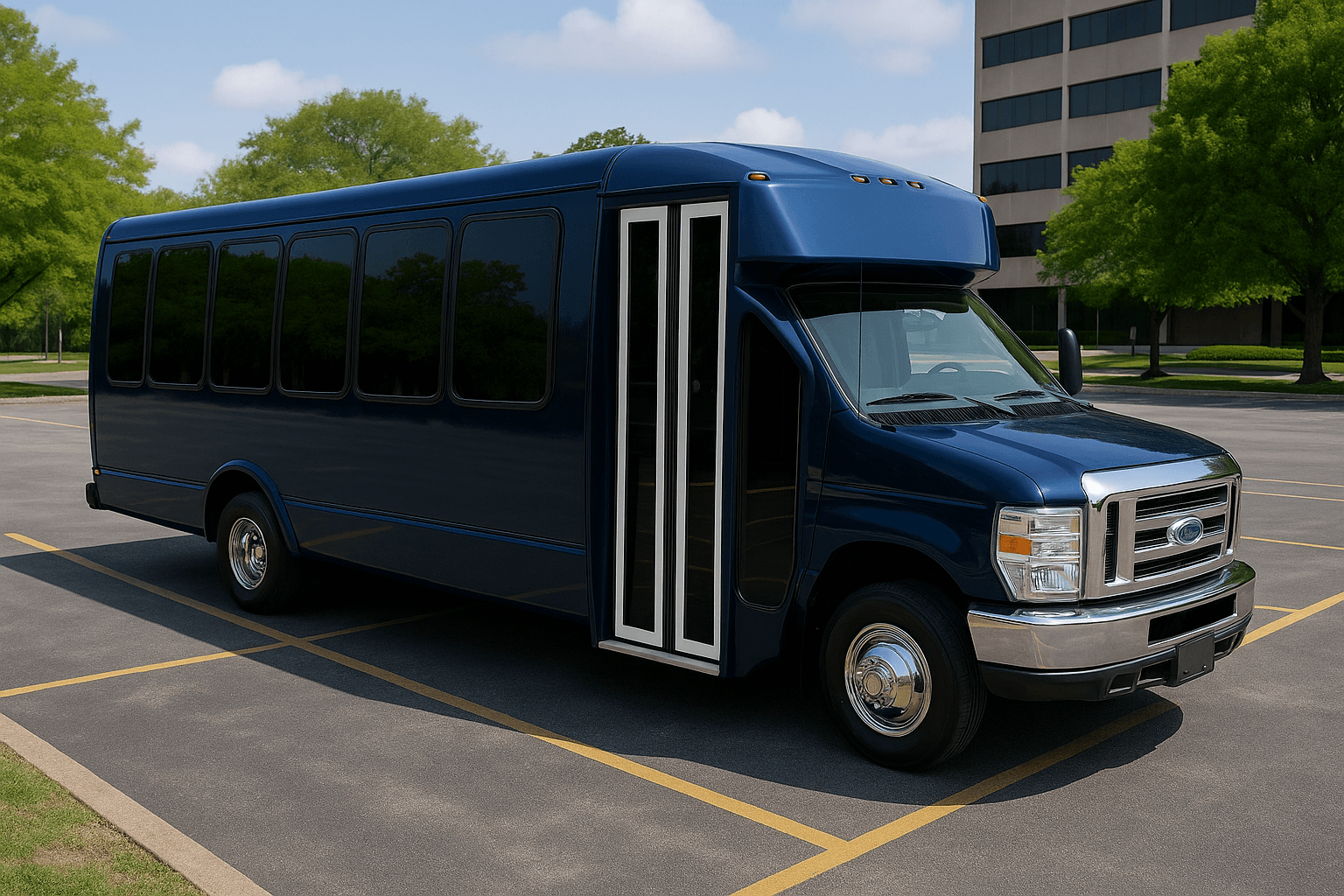
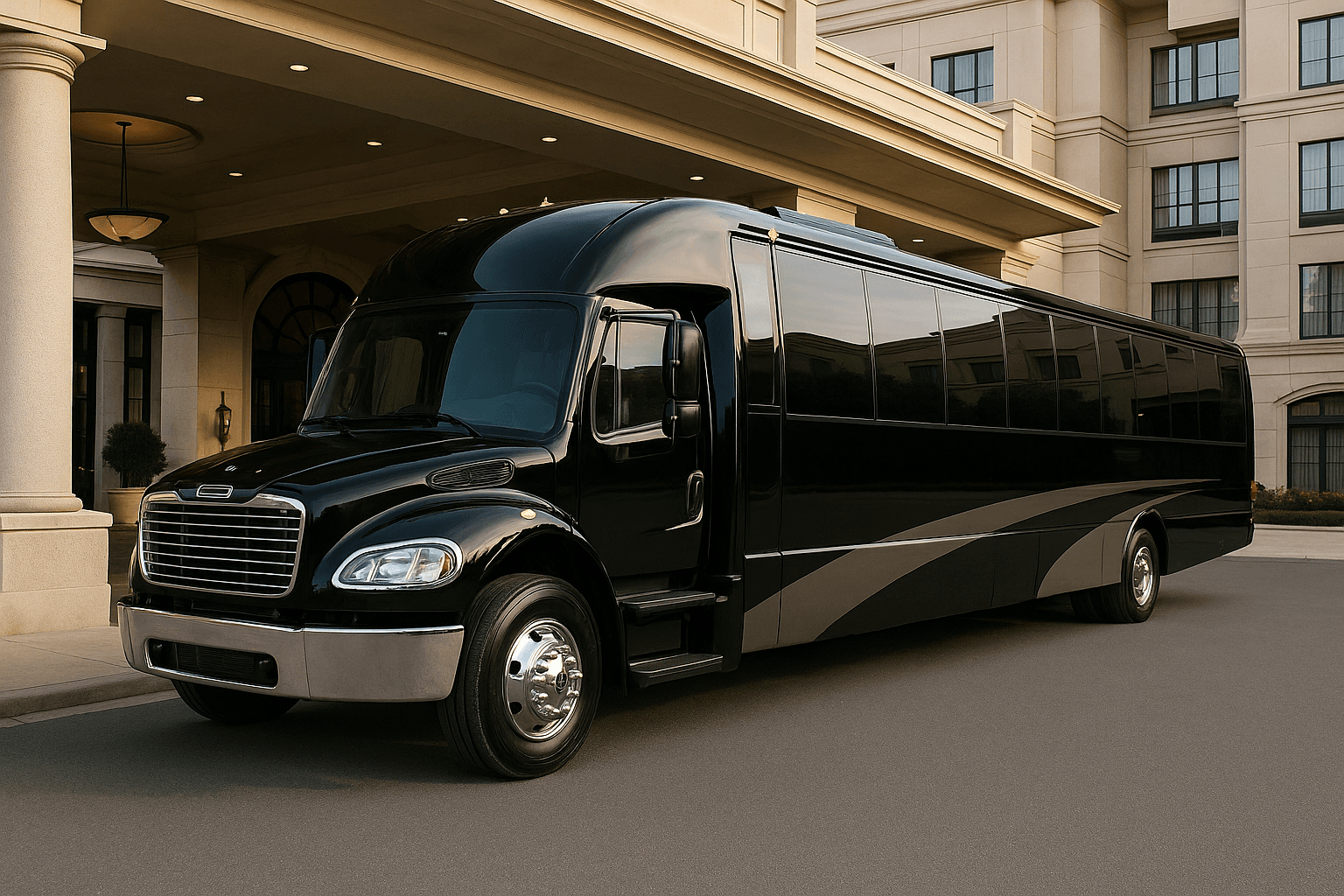
One 28-passenger party bus making two runs from the hotel is a sensible way to move 50 guests. It also means half the room arrives 40 minutes or more after the other half, depending on the distance. The caterer can plan for that: a welcome drink station that stays staffed until the second load is in, and a second pass of the most popular appetizer so the later group does not walk into empty trays.
Each shuttle event, and what the kitchen and bar should be doing
| Shuttle event | What the kitchen and bar should be doing |
|---|---|
| First shuttle leaves the hotel | Bar fully set, ice in, water station out. Pre-pour the welcome drink. |
| First shuttle unloads | All bartenders on the line. First trays of passed appetizers leave the kitchen. |
| Second or looping shuttle unloads | Fresh trays timed to this arrival. Welcome drinks restocked. |
| Ceremony ends, guests transfer to reception | If a bus moves them: reception bar ready at the arrival time, not the ceremony end time. |
| Last inbound shuttle confirmed in | Captain gives the kitchen the go for first course. |
| 30 minutes before first return shuttle | Late-night snack goes out. |
| Before the final return shuttle | Last call made and bar closing, per your caterer's and venue's service rules. |
| Final shuttle loading | Water and any packaged favors at the exit. |
When the first shuttle runs late
Cocktail hour has a fixed end, because the kitchen is cooking toward a plating time. If the first bus reaches the venue 20 minutes behind, that time comes out of cocktail hour, and guests get one drink and two bites before being asked to sit. Most of the delay starts at the hotel curb, where guests come down late and the bus waits for them. Publish a departure time 10 to 15 minutes before the true one, and have a named person at the hotel moving people aboard.
The ceremony-to-reception gap
When the ceremony and the reception are at different sites, there is a stretch when guests are on the road and nobody is eating or drinking. The caterer should set the reception bar to be ready at the bus arrival time. Tell them the drive length and how long loading a full coach takes, which is rarely under ten minutes for 40 or more people in formal shoes.
Plated dinner starts when the last shuttle is in
A buffet forgives late arrivals. A plated dinner does not. The kitchen fires courses for the whole room at once, and 25 empty seats at salad service means plates dying under heat lamps or a second firing the kitchen did not plan for. So the last inbound shuttle is a hard dependency for the first course.
Make someone responsible for telling the catering captain that the last bus has unloaded. It can be the planner, the venue coordinator, or the person at the hotel who watched the final run leave. Ask us how your day-of contact will get departure and arrival updates from the chauffeur. The captain should not have to guess by counting heads.
Friday weddings deserve extra margin here. About 28% of our Phoenix wedding inquiries are for a Friday, and Friday guests are often coming from work, checking into the hotel at 4 p.m., and changing in a hurry. The late run on a Friday carries more people than the late run on a Saturday, and it travels through rush hour. If your caterer offers a choice, a slightly longer cocktail hour on a Friday protects dinner better than any other single change.
Bar service, last call, and the ride home
A guest shuttle is the responsible half of an open bar. When guests know a bus is taking them back to the hotel, nobody has to work out who is fit to drive down a dark road from a venue in Fountain Hills or the far side of Scottsdale. It works only when the shuttle runs until the bar has closed and every guest knows it is there.
Line up two times: last call and last shuttle. The final bus should leave after the bar closes, with enough room between them for people to finish a drink, find a jacket, and say goodbye. Thirty minutes is a comfortable gap. Your caterer or bar service sets last call according to their own license and the venue's rules, so ask them first, then set the final shuttle time from their answer.
Return shuttles should also start earlier than you think. Grandparents, parents with sitters, and guests with early flights want to leave after cake. One early run, announced at dinner, keeps them from calling a rideshare from a remote venue.
Late-night snack timing
The late-night snack has a transportation job. Food in the last hour slows drinking and gives people something in their stomach before a 30-minute ride. Schedule it to come out about half an hour before the first return shuttle, not at the end of the night, or a third of your guests will be on a bus when the sliders appear. Use the drink calculator to estimate bar quantities for the hours the bar is truly open, which the shuttle schedule now defines.
Hot curbs, shared service drives, and the chauffeur
Water where people wait
Guests in suits and formal dresses standing on a hotel curb at 4 p.m. in October are warmer than they expected to be. Ask the hotel or your caterer about a small water station at the pickup point, and another at the venue exit for the return. It costs very little, and guests who arrive hydrated handle the bar better.
One service drive, several large vehicles
Catering trucks, rental deliveries, and coaches often use the same back entrance. A box truck unloading at the kitchen door can block a bus from reaching the guest drop-off, and a coach staged in the wrong spot can trap the truck that needs to leave. Ask the venue for a simple map: where catering parks, where buses unload, where buses wait during the event. Our venue coordination notes go through those questions in detail.
Chauffeur meals on long holds
If a vehicle stays on site through the reception, couples often ask whether to order a vendor meal for the chauffeur. Ask us what the chauffeur needs for your schedule. The answer depends on the length of the hold and whether the vehicle leaves between runs, and we would rather tell you than have you guess. If a meal is planned, let the caterer know where the vehicle is staged so someone can find the chauffeur.
The other meals: rehearsal dinner, welcome party, and brunch
The wedding day is not the only time food and vehicles meet. A rehearsal dinner at a restaurant in Old Town Scottsdale or a resort dining room means moving 20 to 40 people from a rehearsal site to a table with a reservation time attached. Restaurants hold private rooms on a schedule, and a group that arrives in 12 separate cars over half an hour uses up the appetizer course before everyone is seated. One vehicle, such as a 24-passenger party bus, gets the whole party to the host stand together. We cover that kind of evening on our group dinner transportation page.
Welcome parties work the same way in reverse. Guests land at Sky Harbor through the afternoon and the event is a casual drop-in, so a shuttle looping between the hotel and the party every half hour serves better than one big departure. Tell the caterer it is a rolling arrival so they pace the food for three hours, not one.
The morning-after brunch is the easiest to overlook. If it is off site, a single mid-morning run with a return timed to hotel checkout covers it. Send the brunch venue a headcount from the people who said yes to the ride. The room-block number will be too high.
Keep one headcount
The caterer's guaranteed count and the shuttle count come from the same guests, and they drift apart when they live in two spreadsheets. Track meal choice and shuttle need side by side in the guest list manager, and send both vendors numbers from the same export. When 12 guests drop out the week before, the kitchen and the bus size should both hear about it. For how the shuttle piece fits with the rest of the day, read the Phoenix wedding transportation guide.