Give transportation its own schedule
One line on a vendor timeline that reads "5:00 shuttle" causes most of the day-of trouble we see. It hides four different times, and your driver needs all four.
Stage is when the vehicle is parked and ready. Load is when people start boarding. Wheels rolling is when the door shuts. Arrive is when the first shoe hits the curb at the venue.
Write each move as its own row with all four, and nobody has to guess which one you meant.
| Movement | Staged | Door closes | Arrives |
|---|---|---|---|
| Wedding party, suite to first look | 1:45 pm | 2:00 pm | 2:25 pm |
| Guest shuttle run 1, Hotel A | 3:15 pm | 3:30 pm | 3:55 pm |
| Guest shuttle run 2, Hotel A | 4:15 pm | 4:25 pm | 4:50 pm |
| Early return | 8:45 pm | 9:00 pm | 9:25 pm |
| Final return | 10:45 pm | 11:00 pm | 11:25 pm |
That example is a 5:30 ceremony twenty-five minutes from the hotel. Yours will look different. The point is that nothing in it is a single vague time.
On the shared vendor timeline, keep one line per move and put the door-closes time on it. Photographers, DJs and venue staff all plan around departures, not around a bus idling at a curb.
How much padding a bus really needs
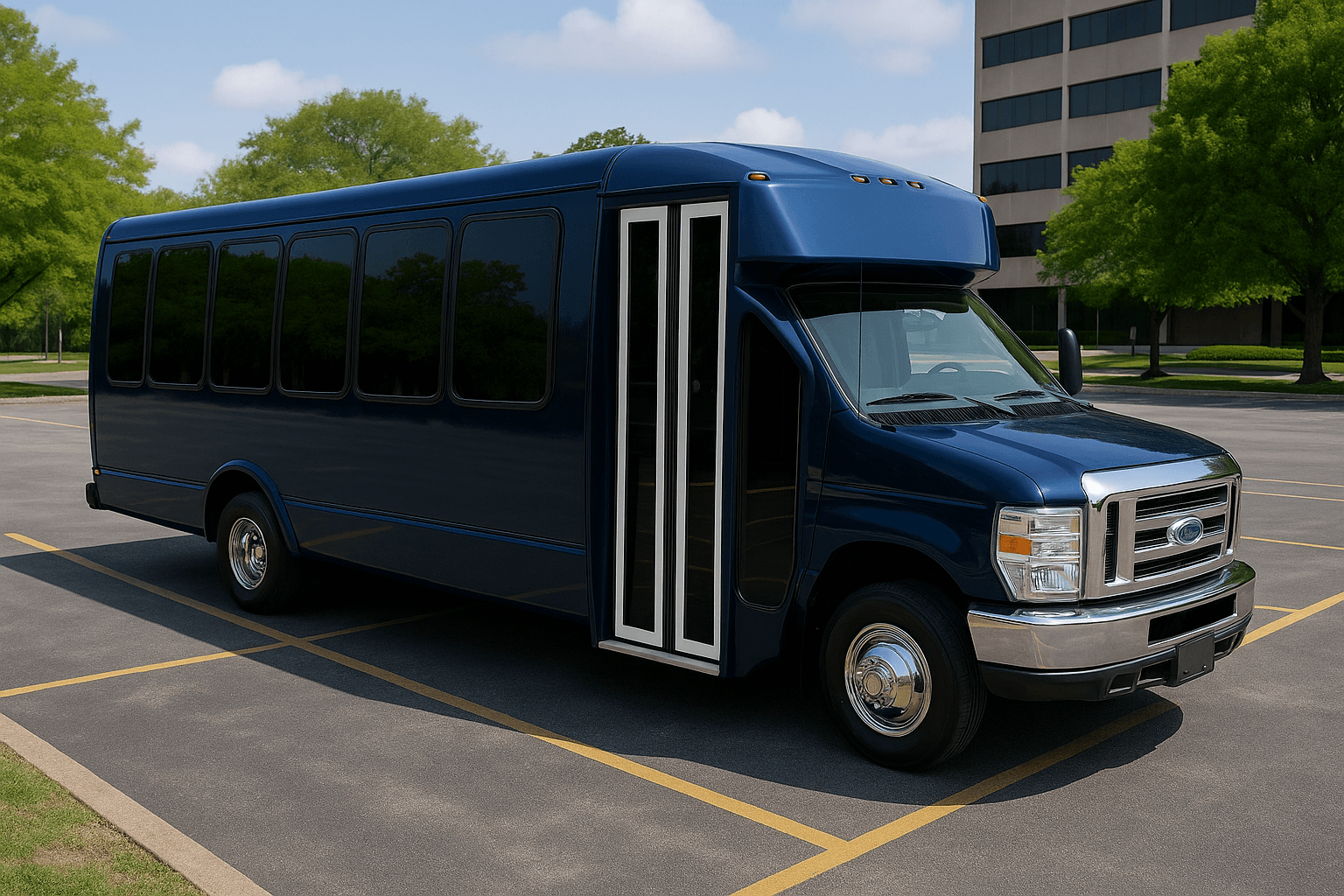
Loading a full bus of wedding guests takes ten to fifteen minutes. That's our own rule of thumb from watching it happen, not a measured figure.
People board one at a time, through one door, in formal shoes, stopping to hug on the steps. Somebody always goes back up for a wrap.
Unloading is quicker, but guests still have to walk from the curb to a seat. Get the last shuttle to the venue half an hour before the ceremony, or the processional ends up waiting on a bus.
Where the padding goes
- In front of every departure. The loading buffer, every run, no exceptions.
- In the drive. Price the real day and hour. A Friday 4 pm crossing is not a Sunday morning one, and the Phoenix drive time calculator will sanity-check a leg.
- Between loops. A second run can't stage until the first has unloaded and driven back. Add both legs, plus unloading, plus slack.
- At the end of the night. Put the final departure about fifteen minutes after the last song, not on top of it.
A bus that waits ten minutes for guests costs nothing. Guests who wait ten minutes for a bus will mention it in the toast.
Build a list for each hotel
A headcount isn't a manifest. "About eighty on the shuttle" doesn't tell anyone how many are at which hotel, and that split is what picks the vehicle.
Make one list per pickup, with names on it, and mark anyone who needs a front seat or extra time boarding.
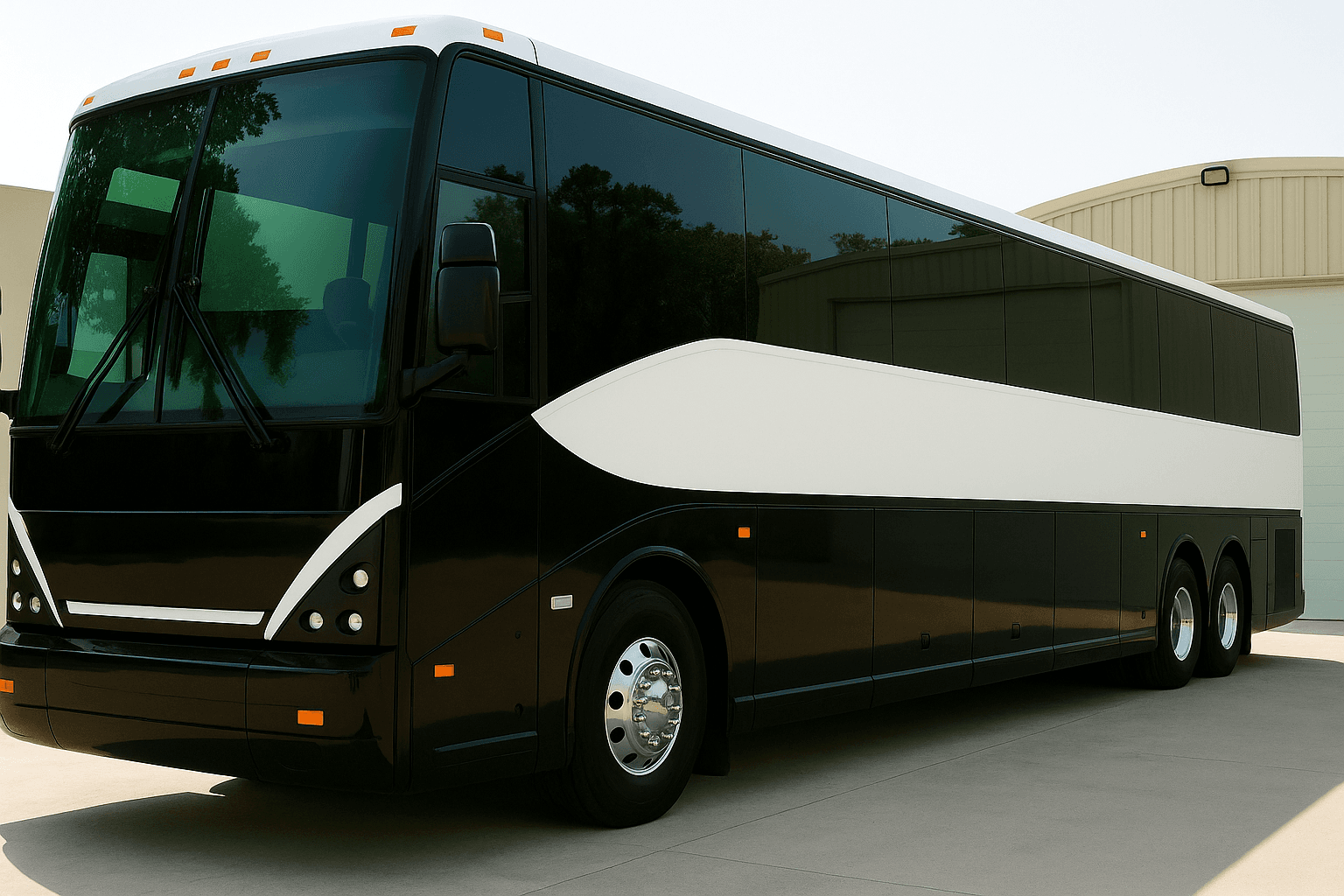
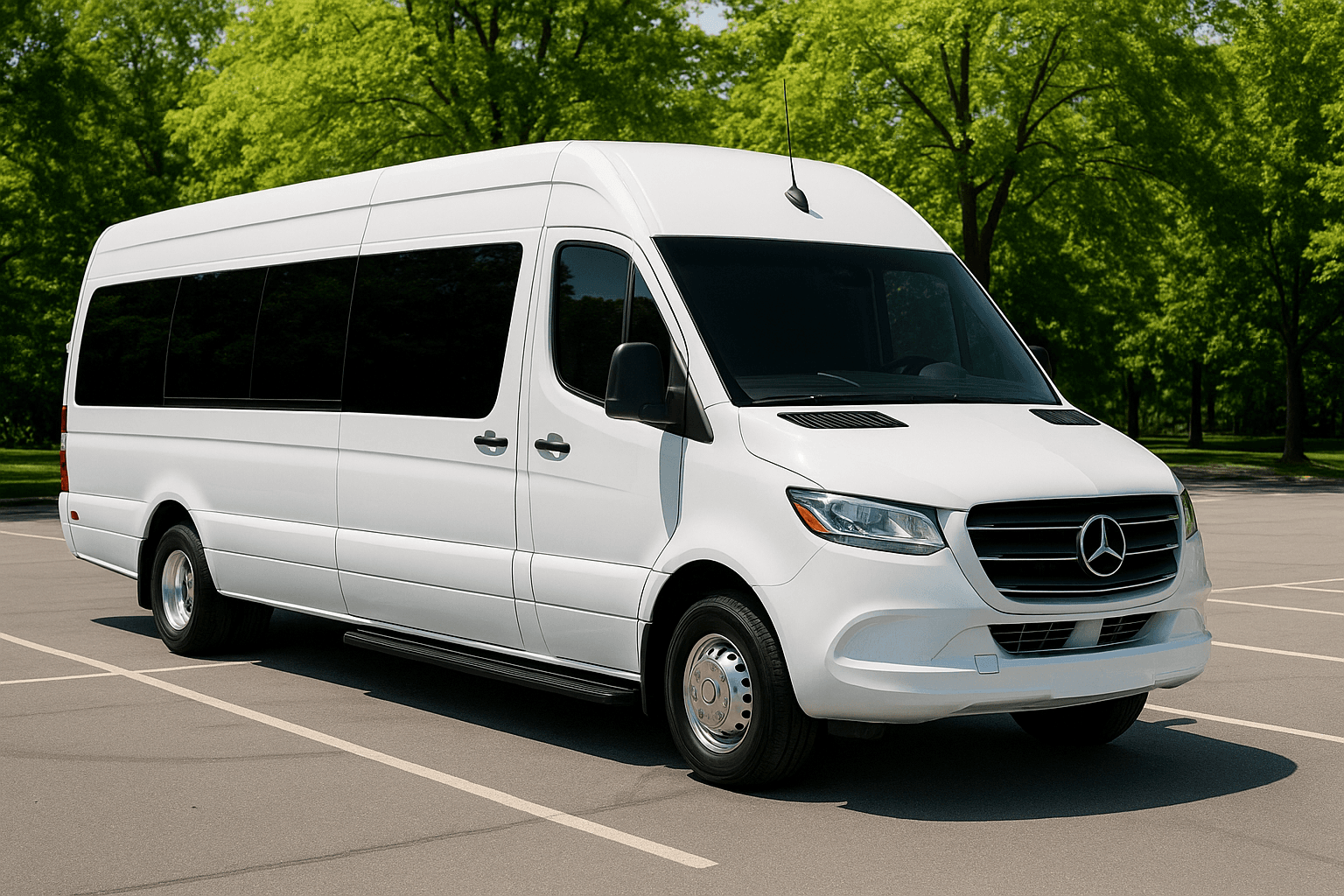
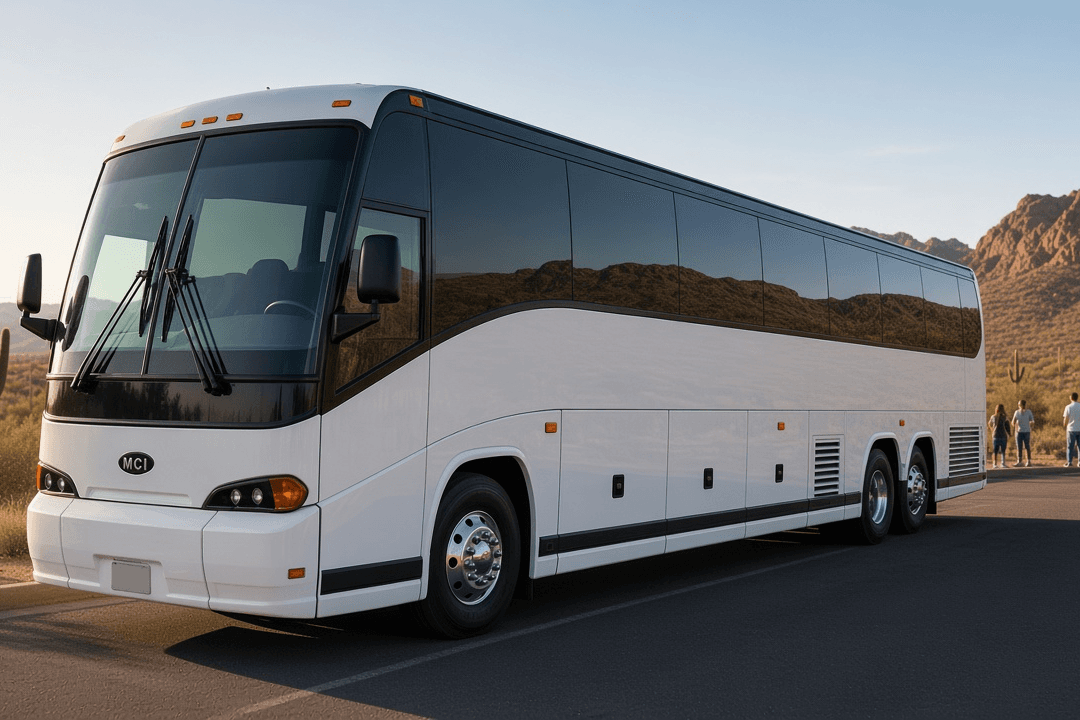
Two in five of the Phoenix weddings we quote are bigger than twenty riders. For a hotel holding forty-plus, one 48-passenger coach bus doing a single run usually beats a small vehicle looping twice. A second hotel with a dozen guests is a Sprinter.
Two hotels, one bus or two?
One vehicle visiting both is simpler to quote. The trade is that guests at the first stop sit through the second stop's loading.
More than about ten minutes apart, give each hotel its own vehicle. Print a sign with the departure times for each lobby and leave a copy at the front desk.
Name one person the driver can call
One number, and it gets answered. Not the couple, not a parent, not anyone standing at the altar.
If you're the planner, it's you or your assistant. If the couple is doing this themselves, pick a reliable friend who isn't in the wedding party and tell them plainly that this is their job that day.
Give that person the schedule, the lists, and permission to make small calls: hold five minutes, send it now, skip the second hotel because nobody's there. Without that, the driver asks a bridesmaid, who asks the bride, which is the outcome you were hired to prevent.
What to send us, and when
For a quote, a date, rough headcounts and the venue are plenty. Ask through our wedding transportation page and we'll come back with the wedding-party ride and the guest shuttle as separate lines.
About two weeks out, send the whole packet:
- Every pickup and drop-off address, including which entrance or lobby
- The schedule, with a departure time on every move
- Rider counts for each location and each run
- Day-of contact and mobile number, plus a backup
- Venue contact, gate code, loading instructions, and any end time the venue enforces
- Photo stops on the wedding-party route, and how long the photographer wants at each
- Anyone who needs help boarding
- Whether the wedding-party vehicle is being decorated, and by whom
- Whether vehicles wait on site through the ceremony and dinner, or leave and come back
That last one moves the quote more than planners expect. A vehicle waiting on site is on the clock. One that leaves and returns is two trips. Ask how each is priced when you request the quote.
Freeze the plan a week out
Pick a freeze date, usually seven days, and say it out loud to the couple. After that, changes come through you, in writing, to one person on our side.
The trouble almost never comes from big changes. It comes from the mother of the bride calling dispatch to move a pickup twenty minutes while your version says something else.
Some changes are easy. Moving a time by fifteen minutes usually is. Adding twelve riders can mean a different vehicle, and in a busy week that vehicle may not exist. What a change does to the price is written into your quote, so read that part before the freeze date.
Write down what happens when it slips
Two things go wrong often enough to plan for, and each one takes a sentence.
Hair and makeup runs late
It runs late more often than it runs on time. Decide ahead which rows can flex: the wedding-party departure can usually slide fifteen minutes if the photo stop shrinks.
The guest shuttle never slides. Sixty people in a lobby aren't waiting on a curling iron. Keep the two vehicles independent so a delay in the suite never reaches the hotel.
Guests at the wrong door
Every big wedding has a few people standing at the wrong hotel, or at the right hotel's wrong entrance. The fix is dull and it works.
Exact wording on the wedding website, a sign in each lobby with your contact's number on it, and a short text the morning of: hotel, which door, when it leaves, when it comes back. Send it that morning, not the night before, when half of them are at the welcome party.
The night before is its own job
A rehearsal dinner is usually twenty to forty people going from the hotel to one restaurant and back, which a 24-passenger party bus handles in two short trips with a gap between them.
Welcome parties draw more people over a longer window, and they work better as a continuous loop than as fixed departures.
Ask for the night before in the same request as the wedding day. We see the whole weekend at once, and you keep one contact across both. If the couple is adding a Sunday brunch or airport runs, the wedding transportation overview covers where those fit.
Saturday, Friday, and what it costs
Just over half the Phoenix weddings we hear about are Saturdays, and November, March and October are the busiest months by a distance. A client marrying on one of those Saturdays is asking for the same coaches as every other planner in the Valley.
For a client who hasn't signed a venue yet, Friday is worth raising. Across everything we quote, Saturdays have run about three hundred dollars higher than Fridays. That's a spread across past quotes for every kind of trip, not a wedding price.
Friday brings one trade-off to build in, which is weekday traffic. Guest shuttles leaving between 3:30 and 5:30 meet commuters on the 101 and the 202, so pad those legs and move the first departure earlier.
When a client is set on a peak Saturday, request transportation the week the venue contract is signed. You can refine the times later. You can't conjure a 56-passenger coach three weeks out in March. Our venue access notes are the companion to this page, the Phoenix wedding transportation guide has the seat math, and planners working the resort corridor can check the Paradise Valley page for pickup notes.