What companies move people for
Corporate requests look nothing like weekend ones. The group is bigger, the schedule belongs to somebody else's agenda, and the person arranging it usually isn't riding. These are the movements we see most:
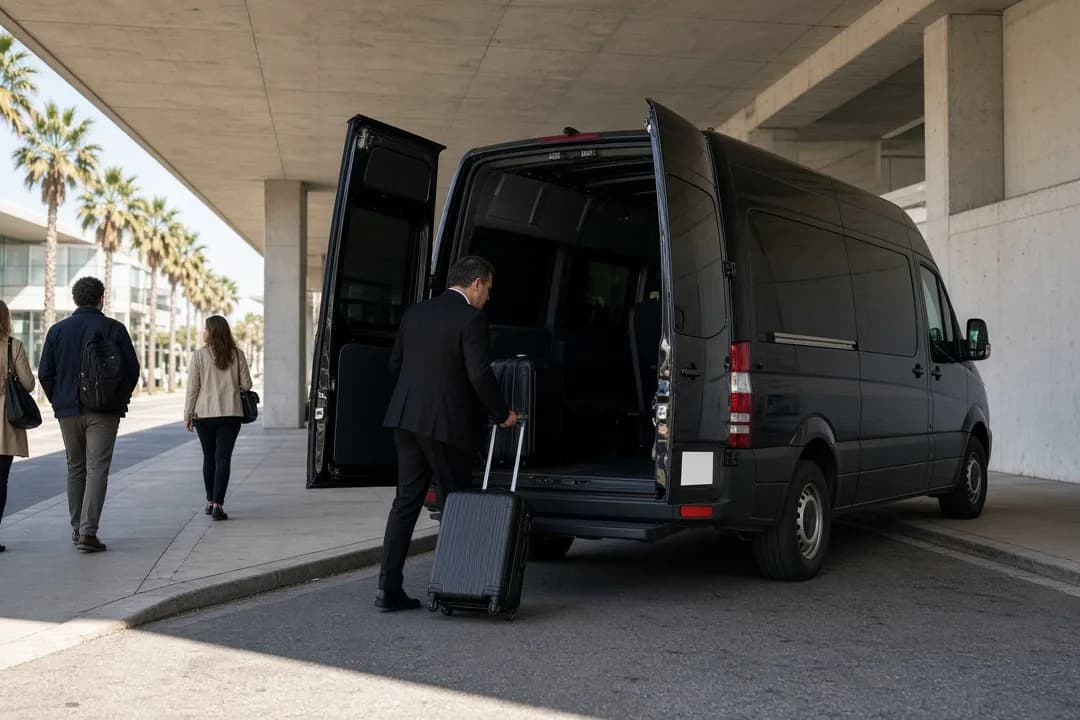
- Sky Harbor arrivals for an offsite or sales kickoff. Forty people land across six hours and two terminals, and all of them need to reach one resort.
- Hotel to convention center shuttles. Your team is staying outside downtown, or you're hosting a reception off property during a show.
- Team dinners. One group, one restaurant, one return. The simplest job, and the one where a few rideshares "to save money" split the team across four arrival times.
- Resort offsites. Multi-day programs in Scottsdale and Paradise Valley with an arrival day, a working day and a departure day. Our corporate retreat page goes deeper on those.
- Client entertainment. A game downtown, a suite at the stadium, a day at the Phoenix Open.
- Holiday parties. Office to venue and home again, so nobody drives after the bar opens.
- Golf and spring training. A Cactus League afternoon or a company golf outing with clubs, coolers and a fixed tee time.
Each one has a different right vehicle. Picking by headcount alone is how you end up with executives on a nightclub bus at 7 a.m.

Which vehicle for which job
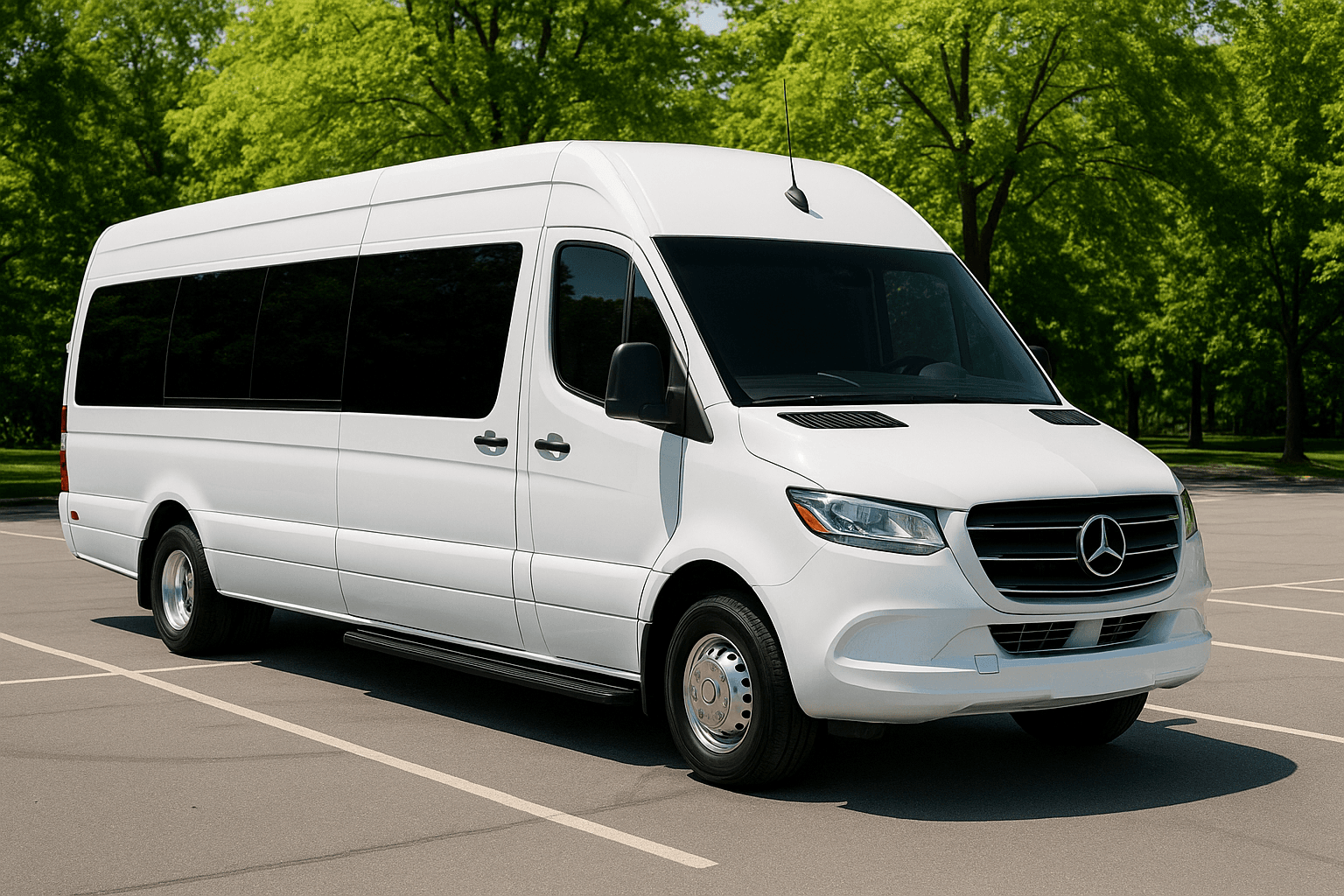
Executive Sprinters, 8 to 14 seats
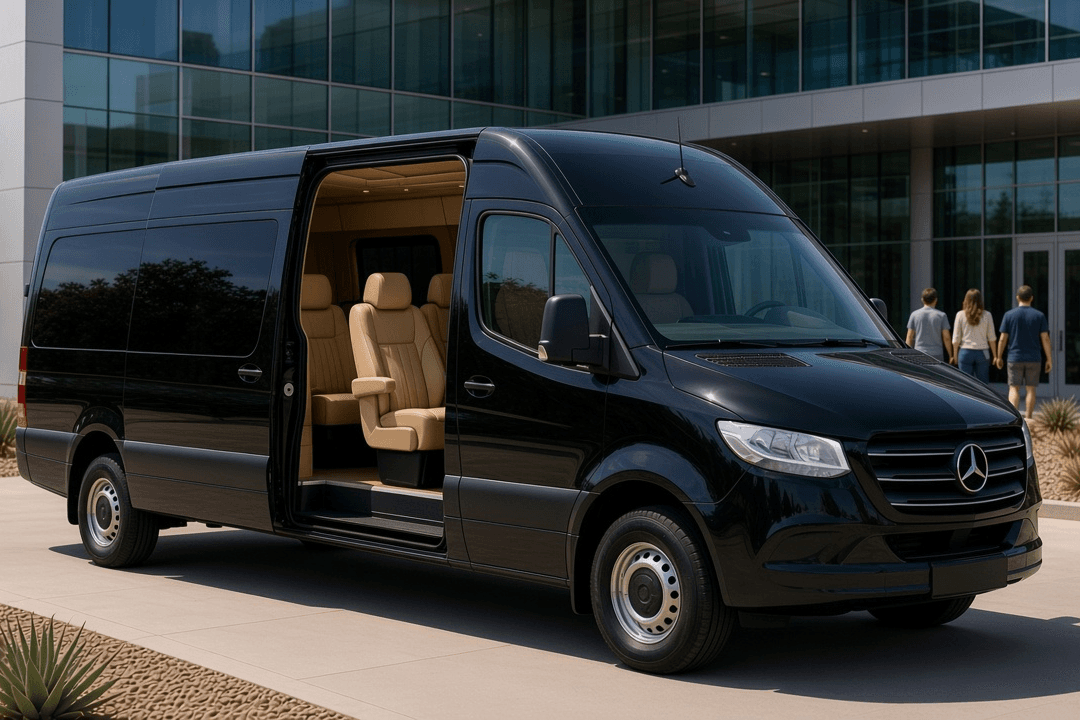
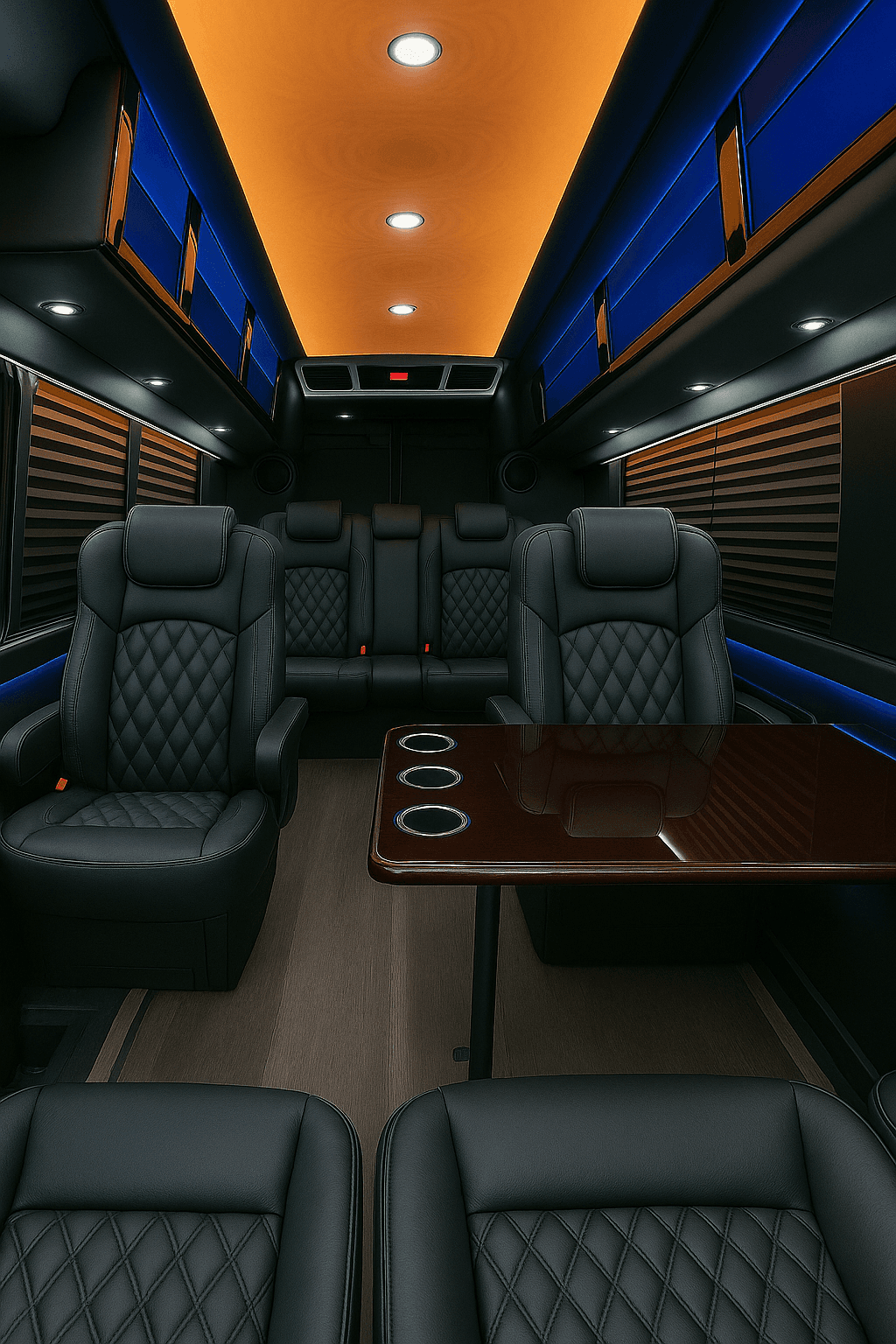
Forward-facing seats, a quiet cabin and an interior that looks like business travel. This is the one for a leadership team, a board dinner, a client pickup or a site visit. The 14-passenger executive Sprinter does most of that work, and it fits hotel porte-cocheres and restaurant driveways that a full-size bus can't enter.
Shuttle and coach buses, 16 to 56 seats
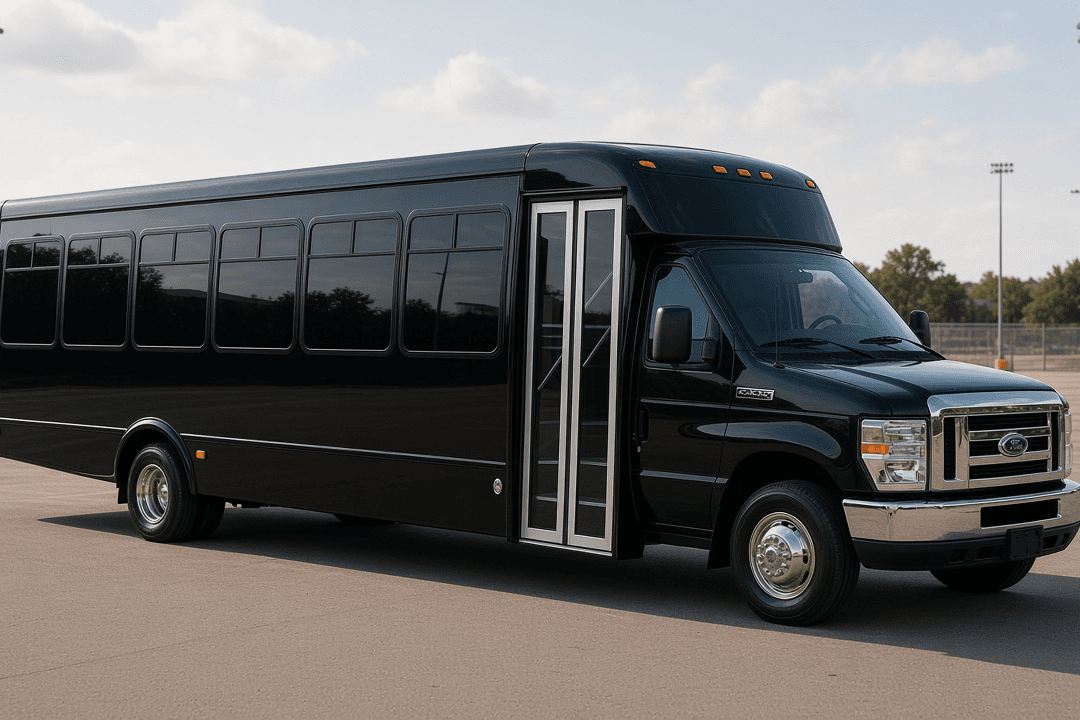
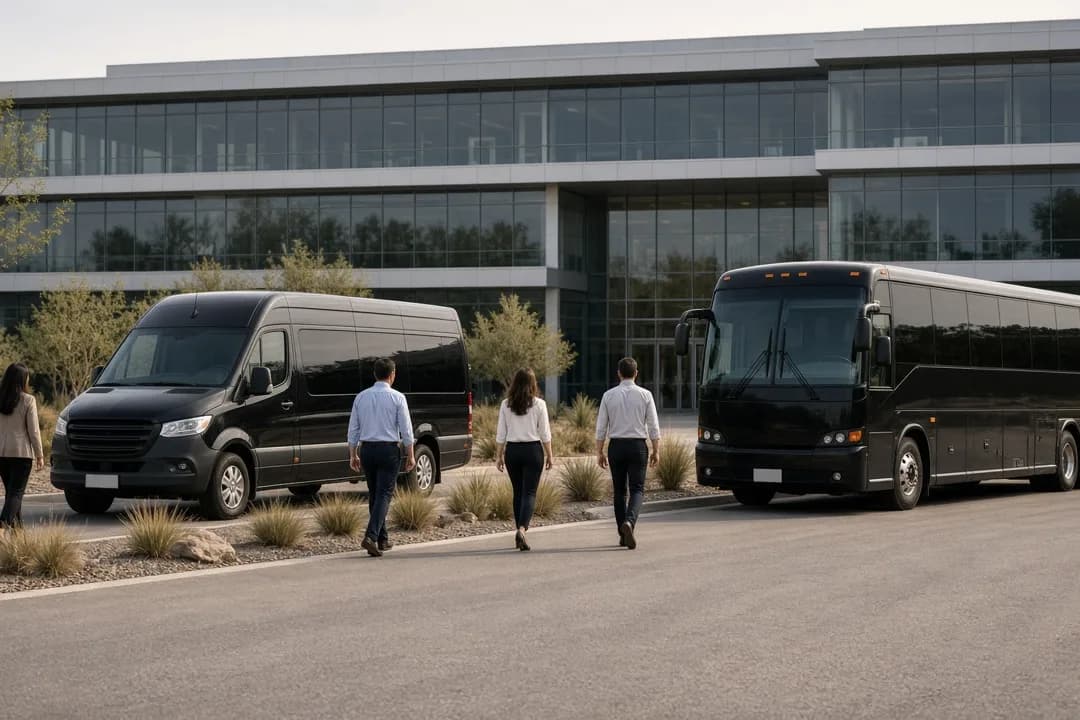
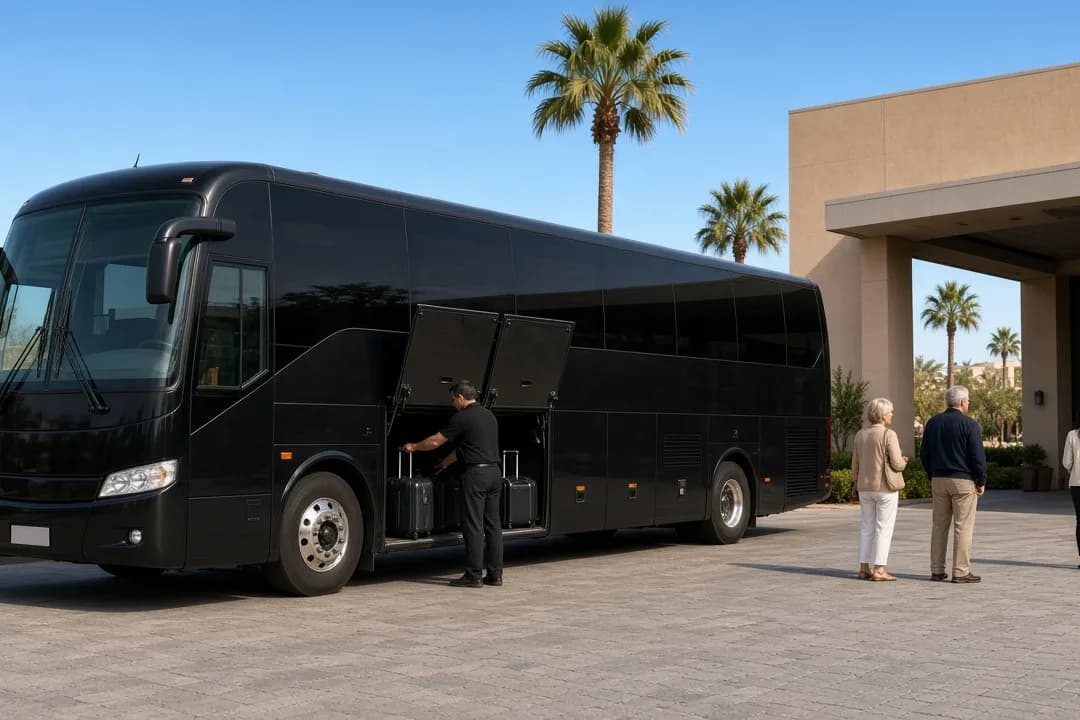
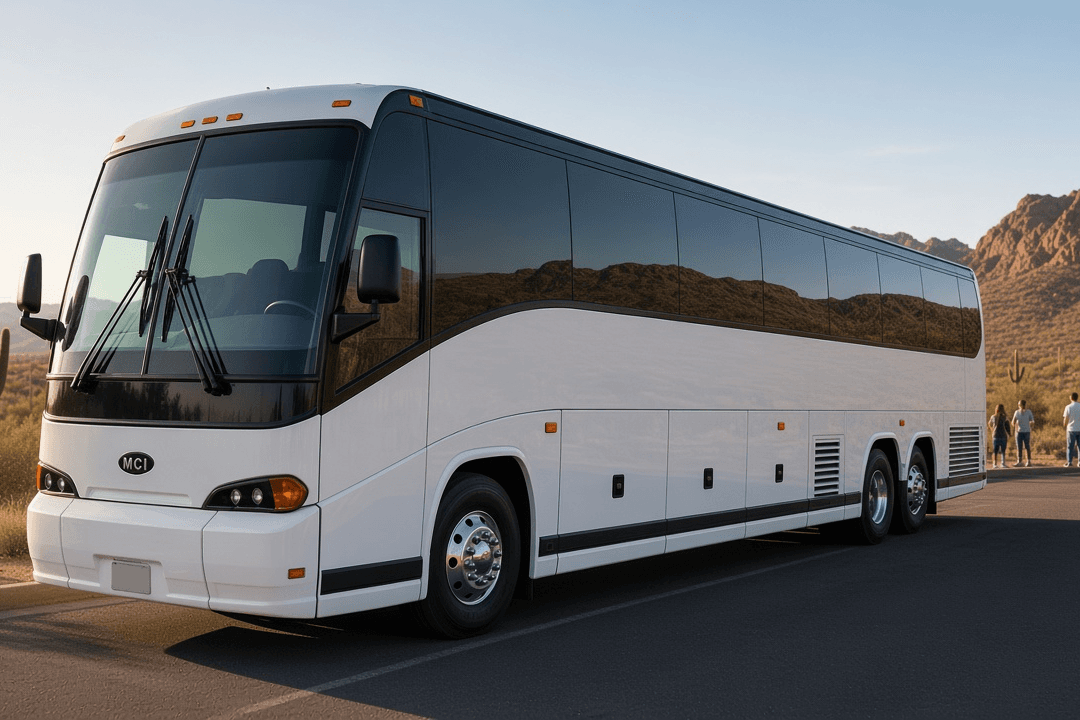
These move a department. Luggage is the detail people miss: forty travelers arriving for a three-night program bring forty roller bags and sometimes a set of golf clubs each, so tell us about bags when you give us the headcount. For an airport wave or a conference run, one 56-passenger coach bus does in a single trip what three vans do with three chauffeurs and three chances to get separated. The full range of shuttle and coach buses lets you match seat counts to your waves.
Party buses, for the fun part
Perimeter seating, a sound system you can plug a phone into and room to stand make a party bus wrong for a 7 a.m. airport run and right for the awards night, the holiday party or the trip to the ballgame. Our party buses run from 16 to 45 passengers. Plenty of programs use both: coaches for the working days, a party bus for the one night out.
| Job | Best fit | Why |
|---|---|---|
| Executives, clients, site visits | Executive Sprinter, 8–14 | Quiet, forward-facing, fits tight driveways |
| Airport waves with luggage | Shuttle or coach bus, 16–56 | Seats plus baggage space in one vehicle |
| Conference hotel shuttle | Coach bus, 36–56 | Fewest trips, fewest curb stops downtown |
| Holiday party, game night | Party bus, 16–45 | The ride is part of the evening |
What to send us
A corporate quote is only as good as the list behind it. "About 45 people flying in Tuesday" gets you a guess. The list below gets you a plan, and all of it is already sitting in your registration spreadsheet.
- Flight numbers and scheduled arrival times, not "afternoon." Flight numbers let a delay be tracked against the pickup.
- Terminal. Sky Harbor runs Terminal 3 and Terminal 4, and airlines split your group between them. A pickup serving both takes longer than one serving either.
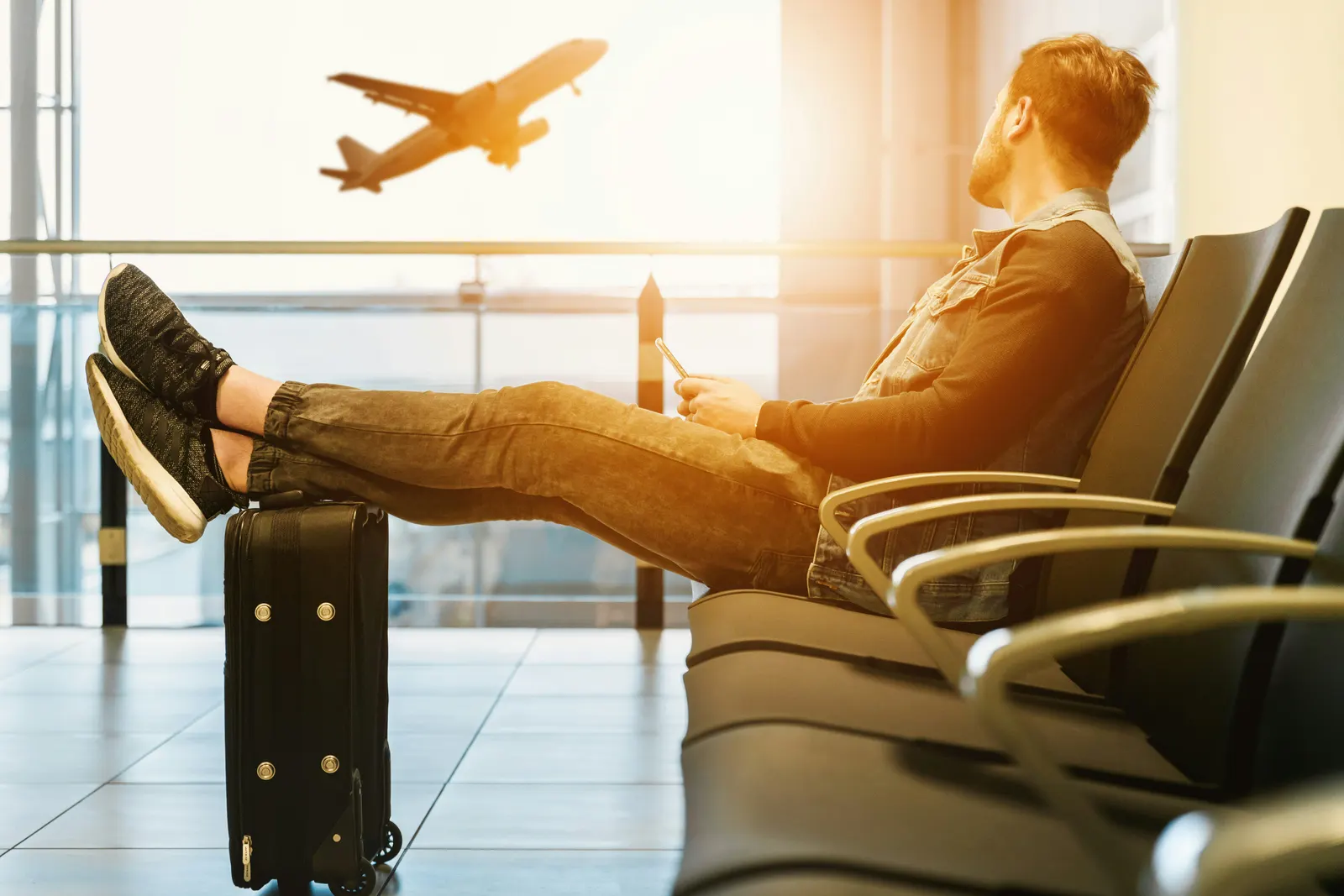
- Headcount by wave. Group arrivals into windows: 10:00 to 11:30, 1:00 to 2:30, 4:30 to 6:00. Three waves of fifteen is a different day than one wave of forty-five.
- Luggage. Checked bags, golf clubs, trade-show cases, demo equipment.
- One on-site contact per movement, with a mobile number and a backup.
- Anyone who shouldn't wait for a wave. A separate Sprinter for two senior arrivals often costs less than holding a coach for them.
- Departure day. Flight times out, hotel checkout, and how early your travelers like to be at the airport.
Keep it in one place and keep it current. Our guest list manager handles a small program and your own registration export handles a large one, as long as the version you send is dated. Resend a few days before arrival, because flights change after people book them.
Decide in advance what happens to the traveler whose flight lands two hours after the last wave. The usual answer is an expensed rideshare, written into the attendee instructions. Deciding it at the curb holds thirty people for one person. For the airport leg on its own, our Phoenix airport shuttle page explains how group pickups at Sky Harbor get arranged.
Where the bus actually stops
The most common failure in corporate transportation isn't a late bus. It's thirty people who can't find the bus. Fix that on paper before anyone lands.
At Sky Harbor
The airport decides where buses may load, and it isn't the curb where a spouse would pull up. Read our Sky Harbor pickup guide, then give attendees one written instruction per terminal: which door, which level, and what the greeter's sign says. Put your company or event name on the sign, not the hotel's. A greeter walking each wave out together beats any app notification.
At the convention center
The Phoenix Convention Center is several buildings across several downtown blocks, so "the convention center" isn't an address. Name the building and the street side. Streets are busy at show open and close, light rail runs through it, and a big show may assign its own shuttle lanes, so ask show management where a private vehicle can load and pass that along with your request. Our convention center transportation guide covers the downtown approach.
At resorts and restaurants
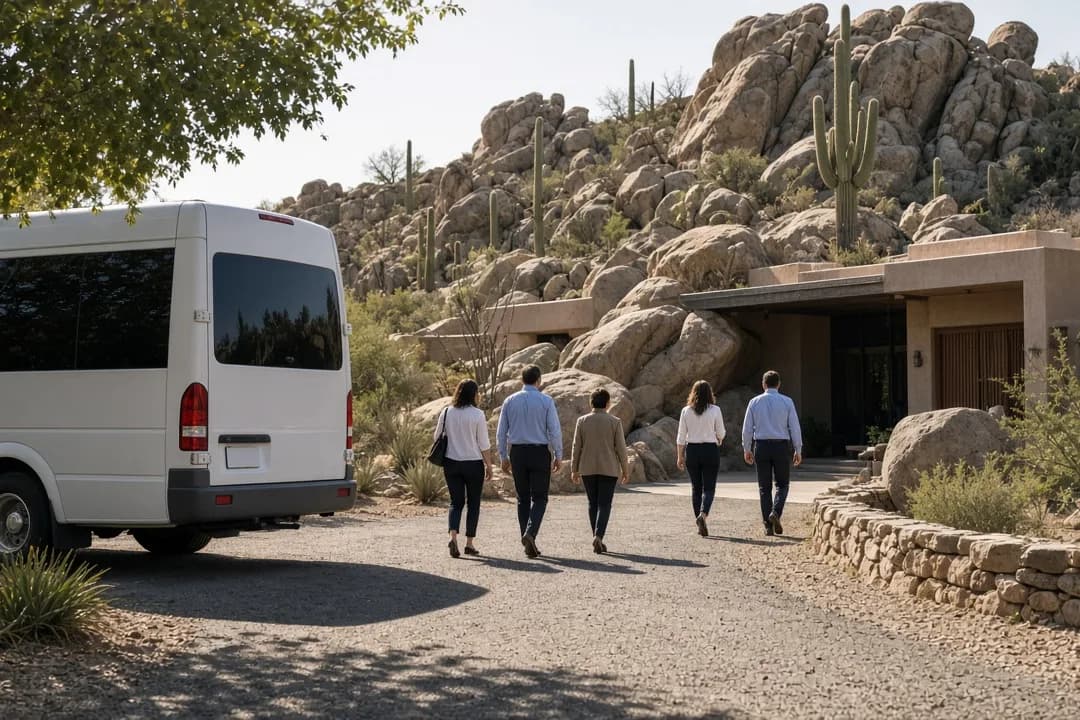
Ask the property where a full-size coach can stand. Plenty of Scottsdale and Paradise Valley resorts send buses to a group entrance or ballroom door rather than the main lobby, and some restaurant lots won't take anything longer than a Sprinter. One phone call to the venue's event contact settles it.
Weekdays, summer and how early to ask
You have an advantage social groups don't. Four out of five of the event dates people ask us about are a Friday or a Saturday, which leaves Sunday through Thursday sharing what's left. A Tuesday arrival or a Wednesday team dinner competes with far fewer groups for the same vehicles, so you get more sizes to choose from and more room on timing.
Size is the exception. Only about one request in five involves more than twenty passengers, and large vehicles are a small slice of any fleet, so a fifty-seat movement needs notice even on a quiet Tuesday. Two months is a sensible target for anything coach-sized, and earlier is better from February through April, when spring training, golf and tourism fill the Valley.
Summer is the other quirk. Plenty of conferences and internal programs land in June, July and August, when the Valley's social calendar goes quiet and vehicle choice is at its widest. The heat does change the plan, though. Nobody should stand on a curb in business clothes in July, so load from shaded or indoor points, have vehicles arrive early with the air conditioning running, and keep the walk from the drop-off to the door short.
Accessibility and paperwork
Tell us about access needs early
Ask in your first message, and be specific. How many travelers use a wheelchair or scooter, whether they can transfer to a seat, whether the device folds, and whether anyone can't manage coach steps. Accessible vehicles are limited everywhere, and early notice means we can tell you plainly what's available for your dates instead of improvising at the curb.
Put the question on your registration form too. It's an easier thing to read in a spreadsheet than to hear about on arrival day.
Whatever your company needs on paper
Accounting departments and venues both have their own requirements, and they vary wildly from one company to the next. Tell us what yours needs when you call and we'll tell you straight away what we can do. It's a five-minute conversation at the start and a bad week if it waits until attendees are landing.
Ask at the same time what the quote covers and how changes are handled, like an added hour, an extra stop or a bigger vehicle. Those answers will be in your written quote, so read that part before you sign it.
A conference day, end to end
Here's how a day runs for about 45 people staying at a Scottsdale resort, working a show downtown, with a client dinner that evening. The times are illustrative. Yours come from your agenda and from the Scottsdale-to-downtown drive, which is a very different length at 7 a.m. than at 5 p.m.
| Time | Movement | Vehicle | Note |
|---|---|---|---|
| 6:45 a.m. | Coach stages at the resort group entrance | 56-seat coach | Staff lead confirms the door with the bell desk |
| 7:15 a.m. | Depart for the convention center | 56-seat coach | Published time is 7:10. Leave on the real one. |
| 8:00 a.m. | Drop at the named building and street side | 56-seat coach | Booth staff ride this run, not a later one |
| 11:30 a.m. | Executives to a client lunch | Executive Sprinter | Separate vehicle, separate contact |
| 5:15 p.m. | Show floor closes, load for the resort | 56-seat coach | Same door as the morning drop |
| 6:45 p.m. | Resort to the client dinner | Coach or two Sprinters | Check the restaurant can take a coach |
| 9:30 p.m. | Dinner return, then one late run | Same vehicle | Announce the late run during dessert |
Notice what the table forces you to decide: who rides the first run, who holds the list, and where the door is. Draft your own in the event timeline planner and send it with your rider list. We quote a day we can see end to end far more accurately than five separate requests.
Departure day
It's arrival day in reverse with one difference. People will wait when they land. They won't wait when they have a flight to catch. Build the waves from flight times, give each run a generous airport cushion, and publish the schedule at registration so nobody books a 6 a.m. flight without knowing how they're getting to the terminal.