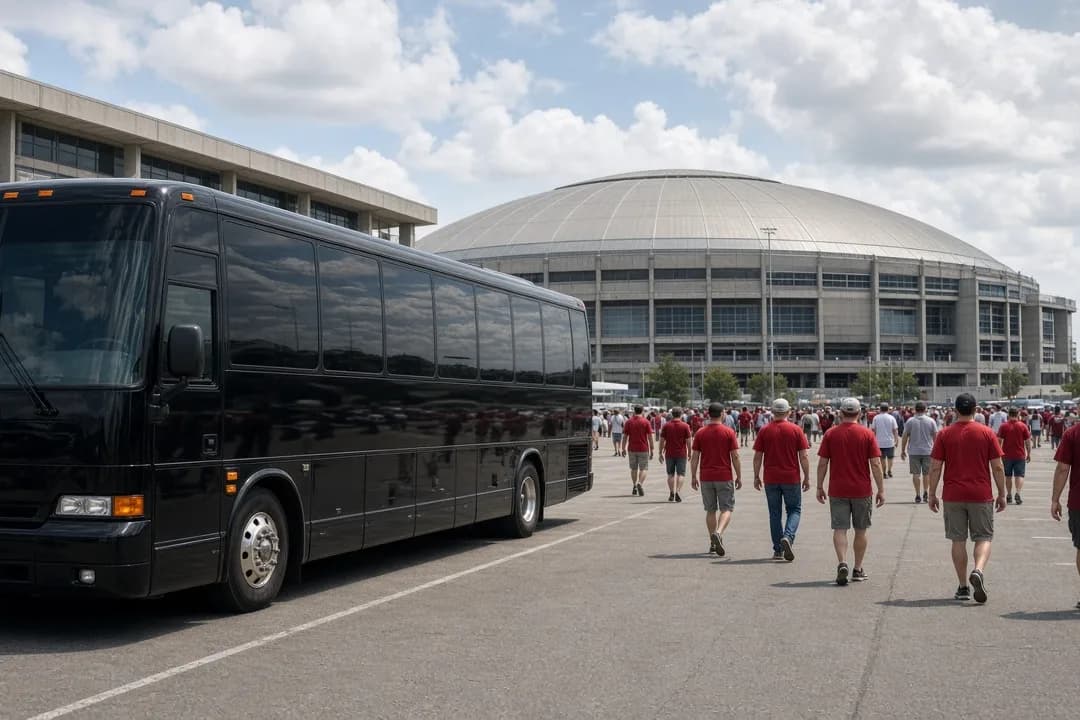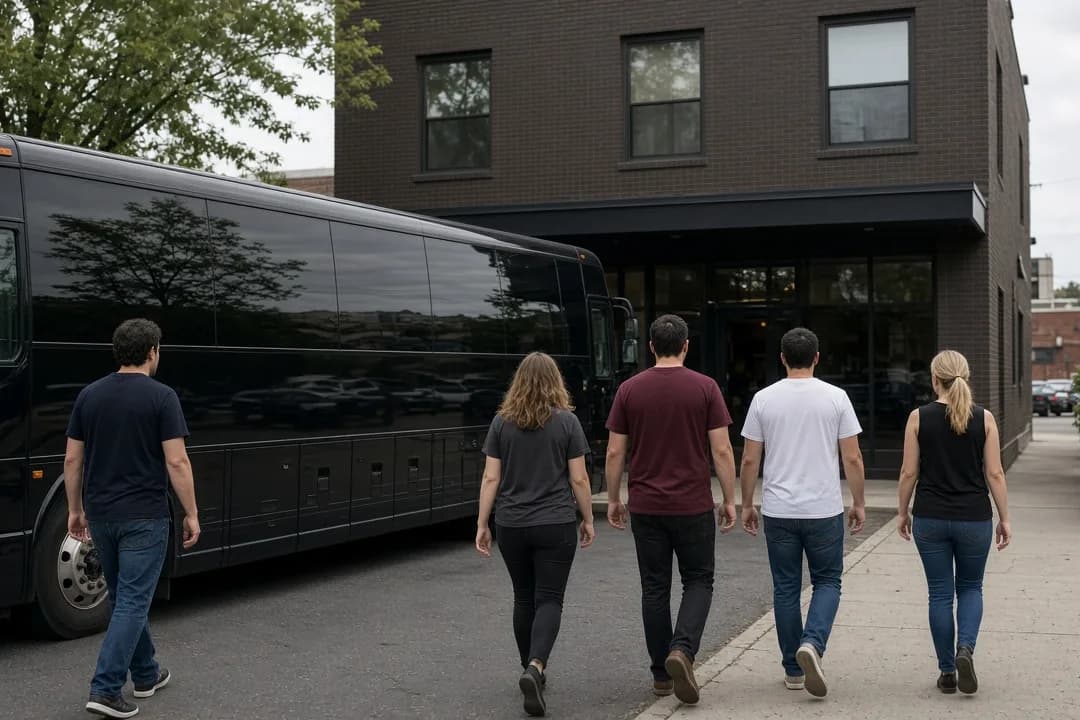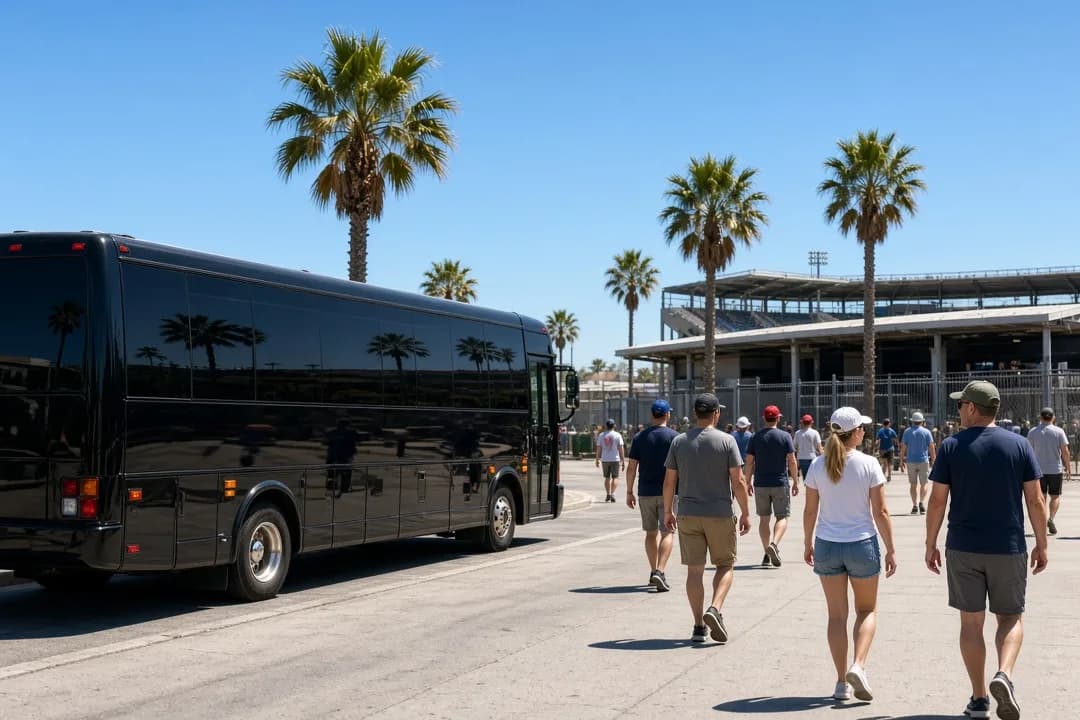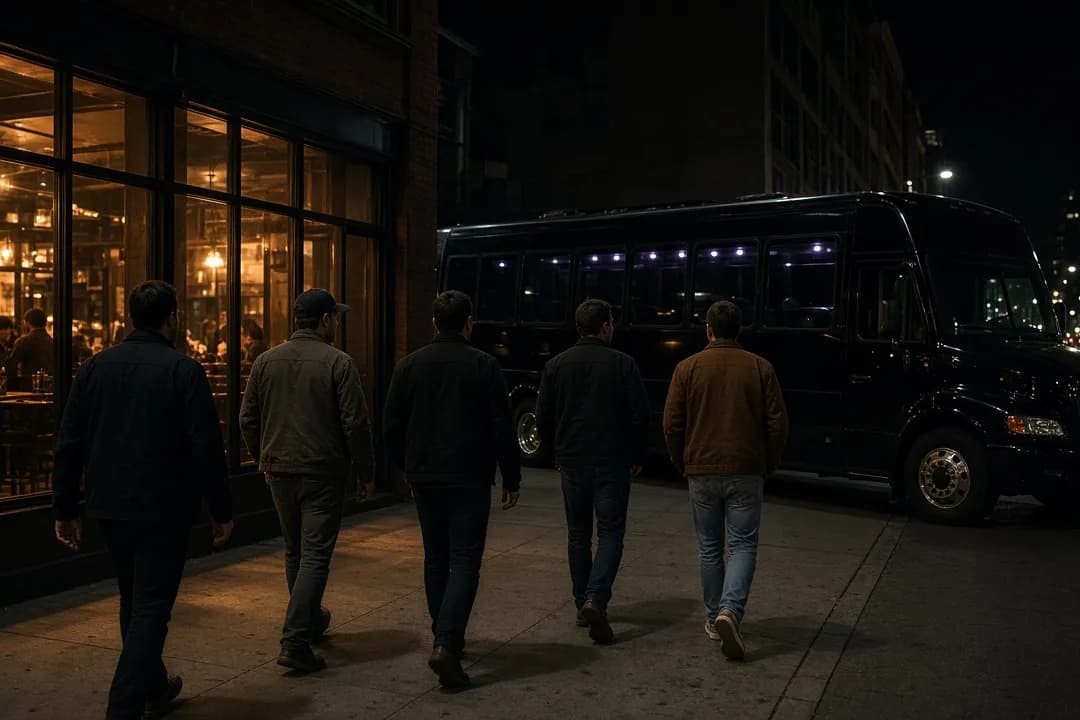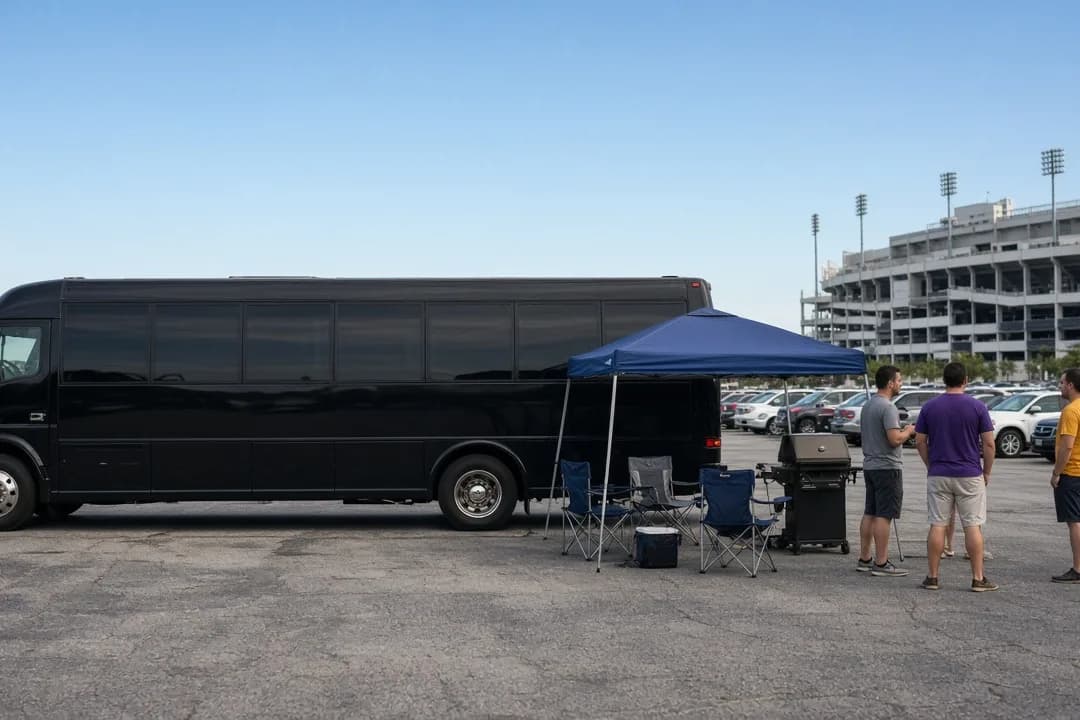
A tailgate gets better with more people, which is how a plan for twelve becomes a plan for twenty-two by Thursday. That's fine. What it isn't is a four-hour booking.
The bus does two jobs out here that a truck bed can't: it holds the gear, and it stays cold. In September, that second one is the whole ballgame.
Here's how a Valley tailgate actually runs.
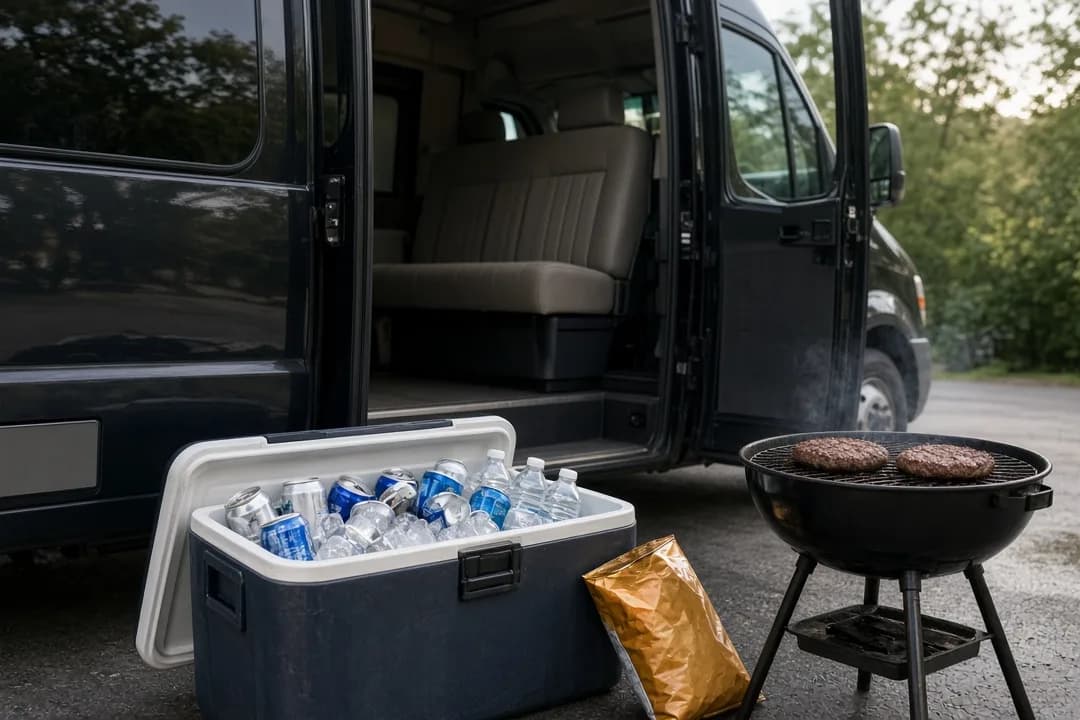
Size up, then add hours
Tailgates are roster events. Sixteen to twenty is the most common band for sports groups here, and tailgate crews push to the top of it and past, because everybody knows somebody who wants in once they hear about it.
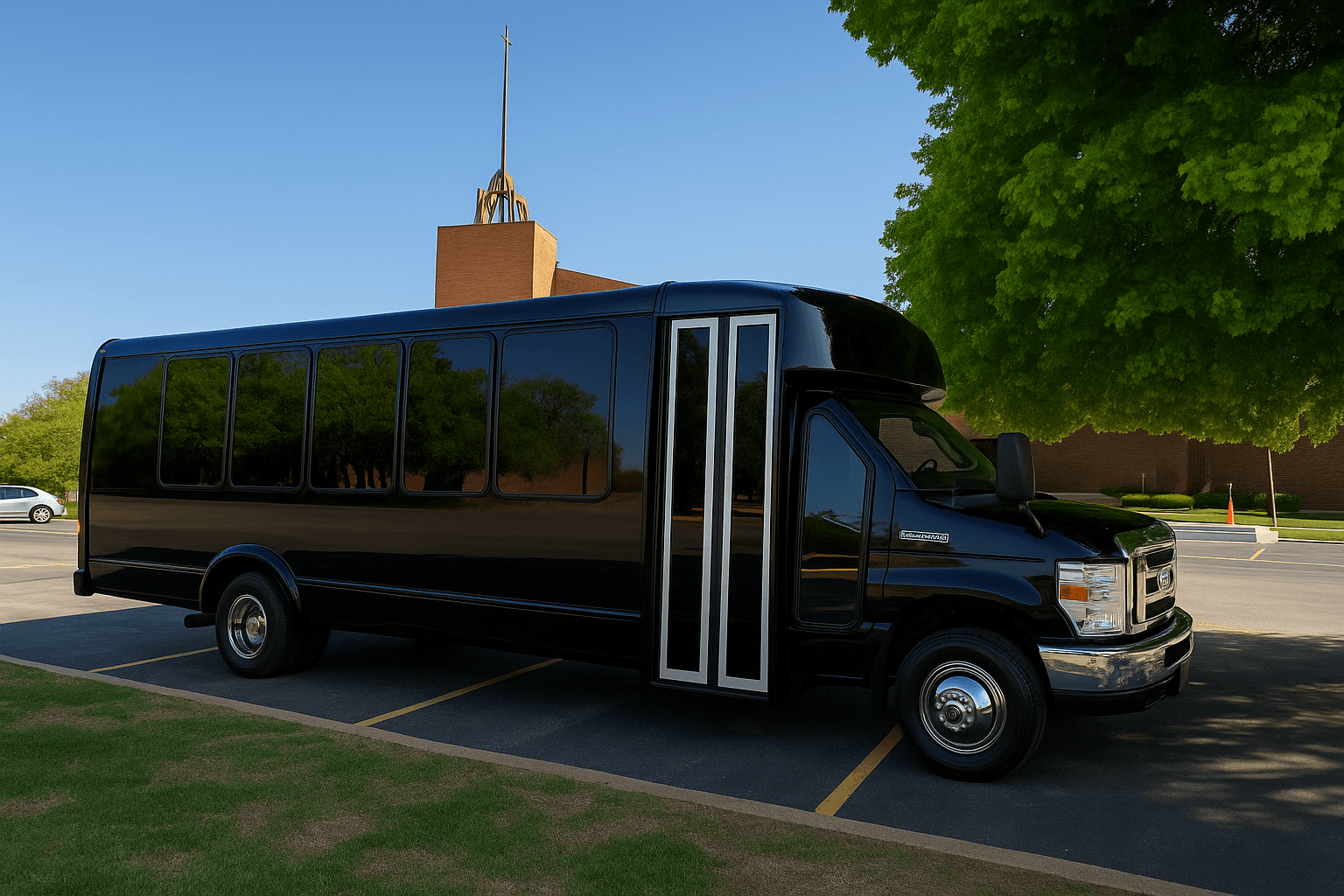
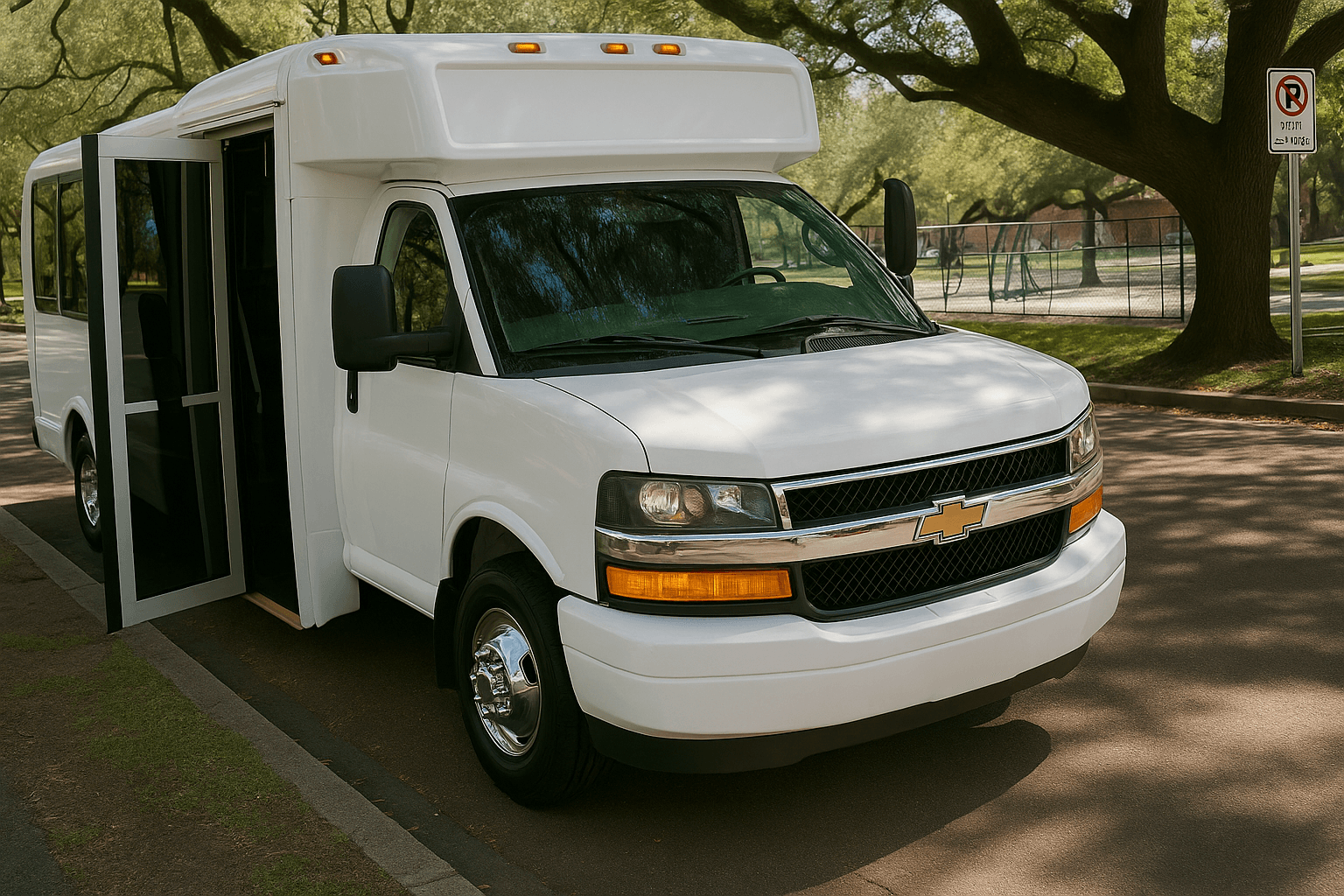
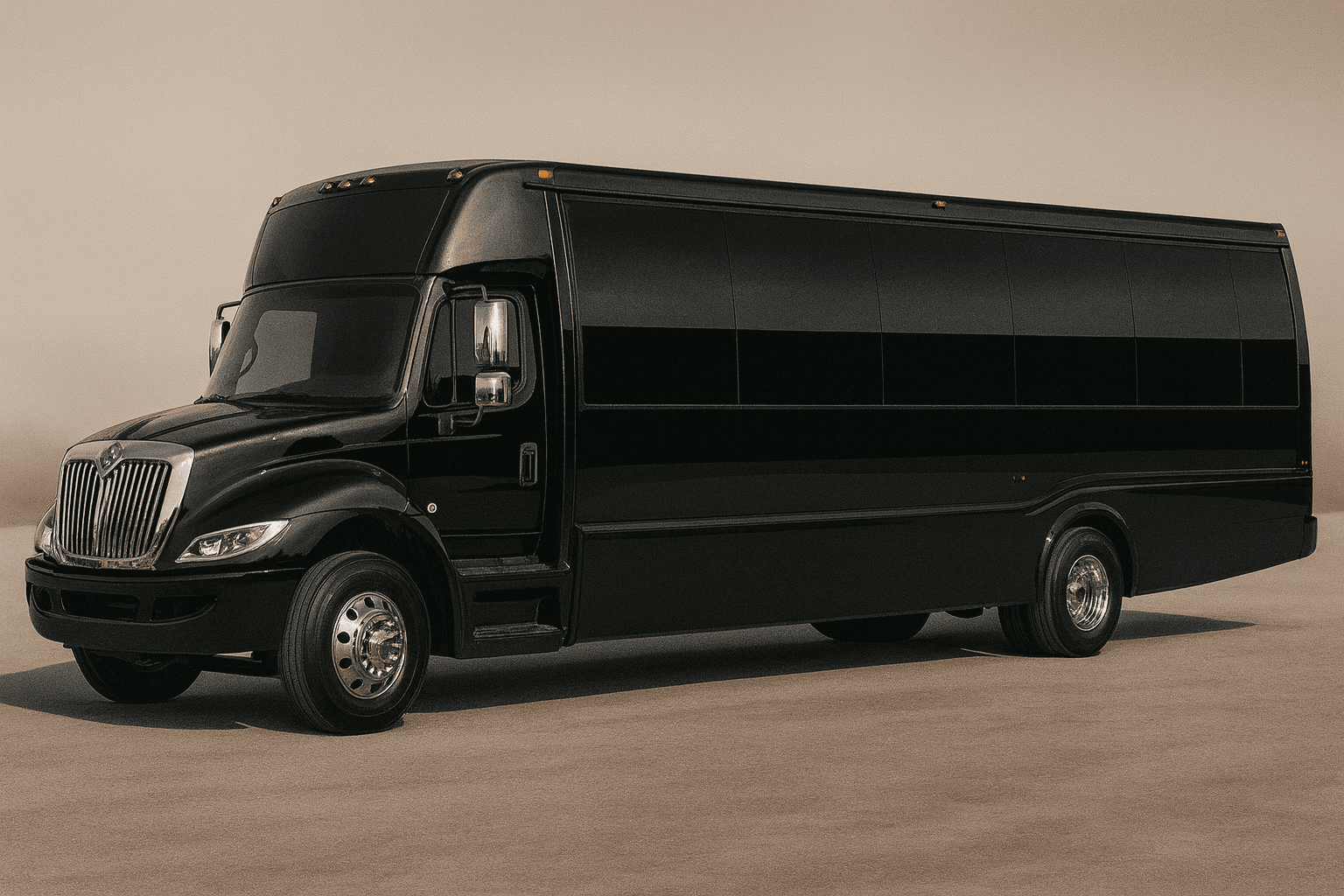
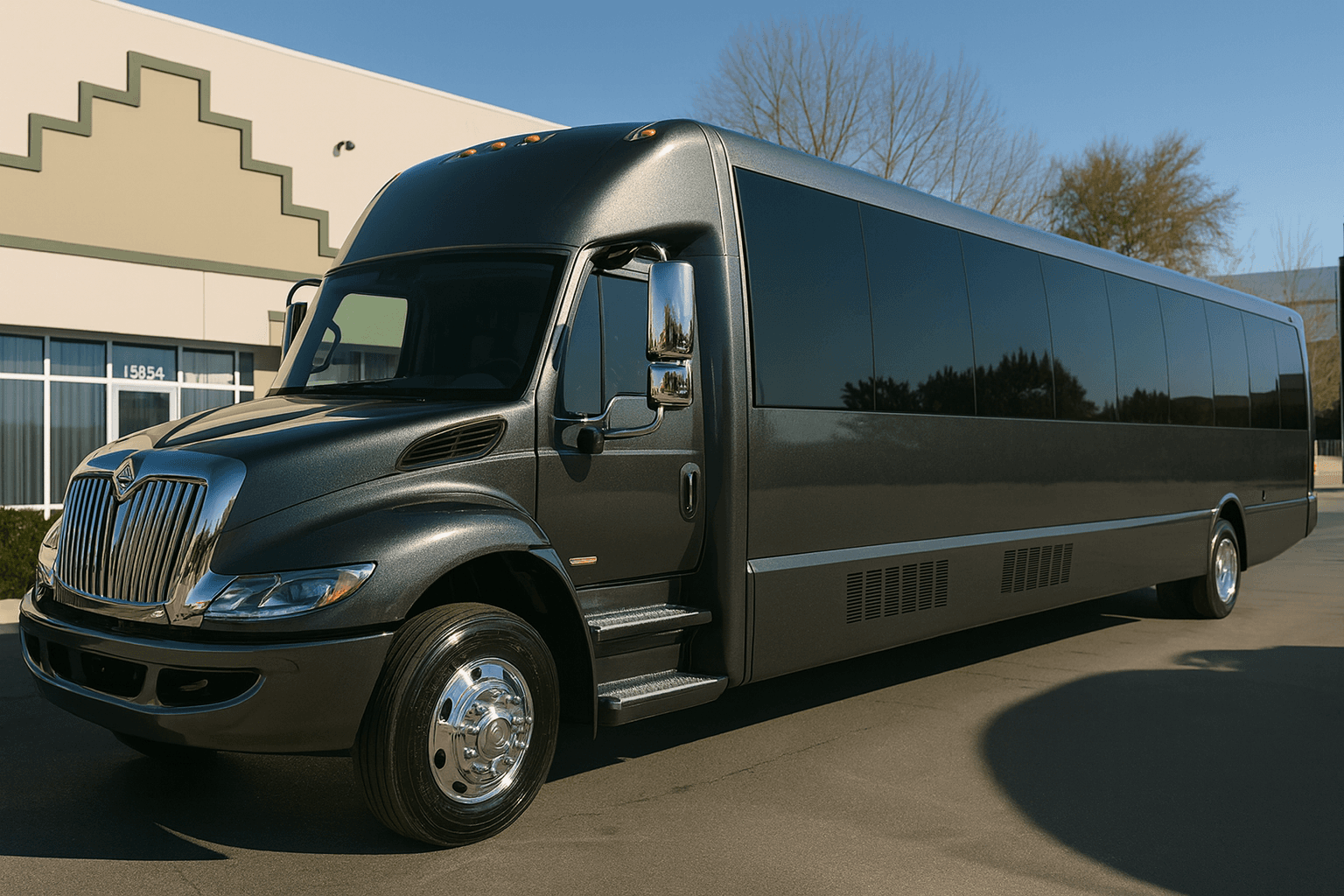
At that size the vehicle is a party bus, which is the right tool anyway: open floor, perimeter seating, a sound system, and space for coolers. A group of eighteen should be looking at the 22-passenger party bus rather than a 20, because coolers, folding chairs and a bag of cornhole boards take up the room of two people. Season ticket sections that travel together usually need the 30-passenger party bus or the 36-passenger party bus.
Filling a bigger bus has historically cost each rider less, not more, so the ten extra friends are rarely the expensive part. Hours are where tailgates really differ. A pregame plus a three-hour game plus the drive is well past five hours, so ask for a quote on the full span instead of discovering overtime at the end of a long day.
How it works at State Farm Stadium
Cardinals tailgating is a big, friendly scene spread across the lots and grass around the stadium in Glendale. Three realities shape how a bus fits into it.
Parking is controlled. Stadium lots are pass-based on game days, and oversized vehicles are handled differently from cars. Passes for the right lot generally have to be arranged ahead through the team or the stadium. Sort that out before you invite thirty people, and tell us the plan when you ask for a quote so we can share what we know about bus parking for that game.
Westgate is the fallback, and sometimes the better plan. The entertainment district is a short walk from the gates, with restaurants and patios that open early on game days. Plenty of groups party on the bus for the drive, get dropped at Westgate, and do the pregame there with real bathrooms and shade.
Arrive early. Loop 101 and the surface streets crawl for two hours before kickoff. The State Farm Stadium guide covers the approaches. Rules on grills, tents, glass and alcohol in the lots belong to the venue, so check the published tailgating policy for your game.
The heat changes everything
In Green Bay the tailgate problem is cold. Here it's the opposite, and it's worse. Cardinals preseason and September home games, and ASU's early season in Tempe, get played when afternoon highs are still 100 to 108. Asphalt lots run hotter than the air.
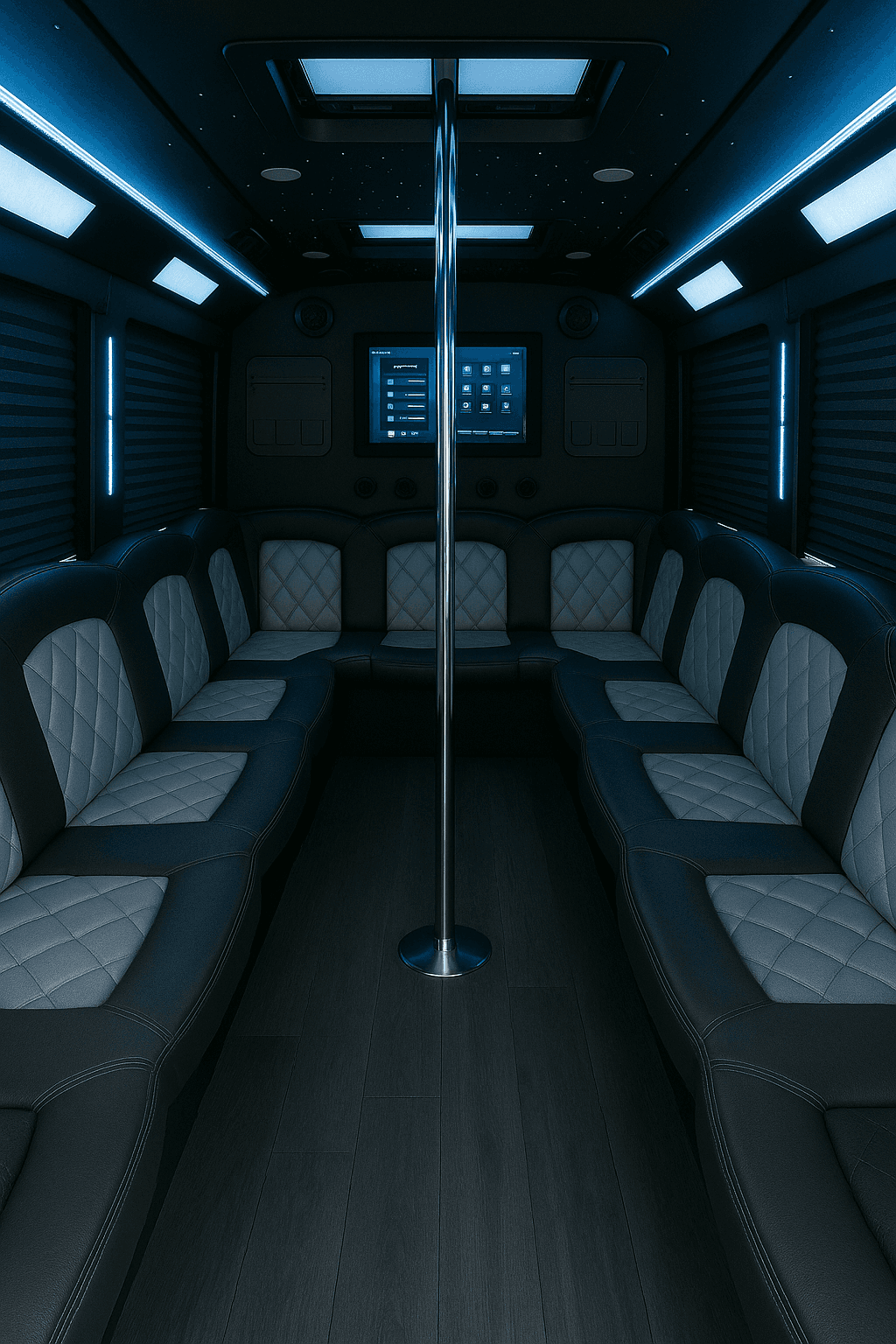
That's where the bus earns its place. The cabin is air-conditioned, so the group cycles through: twenty minutes outside at the cornhole boards, ten minutes inside cooling off. Ice lasts. Food stays safe. Nobody's father-in-law ends up in the first aid tent.
- September and early October: keep most of it in the cabin or at Westgate and keep outside stretches short.
- Late October through December: the payoff. Seventy-five and sunny at kickoff, the best tailgate weather in the league.
- Bowl season: pleasant days, cold nights. Bring layers for the walk back to the bus.
Size the cooler with the drink calculator, then add a full case of water on top of whatever it tells you.
A Cardinals Sunday, start to finish
For a 2:05 kickoff with a group leaving Mesa:
- 9:45 Load at one house. Coolers, chairs, games and food go on first, people second.
- 10:00 Across the Valley. The party starts here, and this hour is the most underrated part of the day.
- 11:00 Into Glendale ahead of the heavy traffic. Set up, or head into Westgate.
- 1:15 Pack up. Anything that won't clear the clear-bag check stays on the bus.
- 1:30 Walk in. You want to be seated for the flyover.
- 5:15 Game ends. Meet at the spot you agreed on.
- 5:45 Roll out, or spend an hour at Westgate while the 101 clears.
- 7:30 Home.
That's close to ten hours door to door. West Valley groups from Goodyear, Peoria or Surprise can trim two hours off it. Build your own version in the timeline planner and share it, so everyone understands the load time isn't a suggestion.
Who brings what
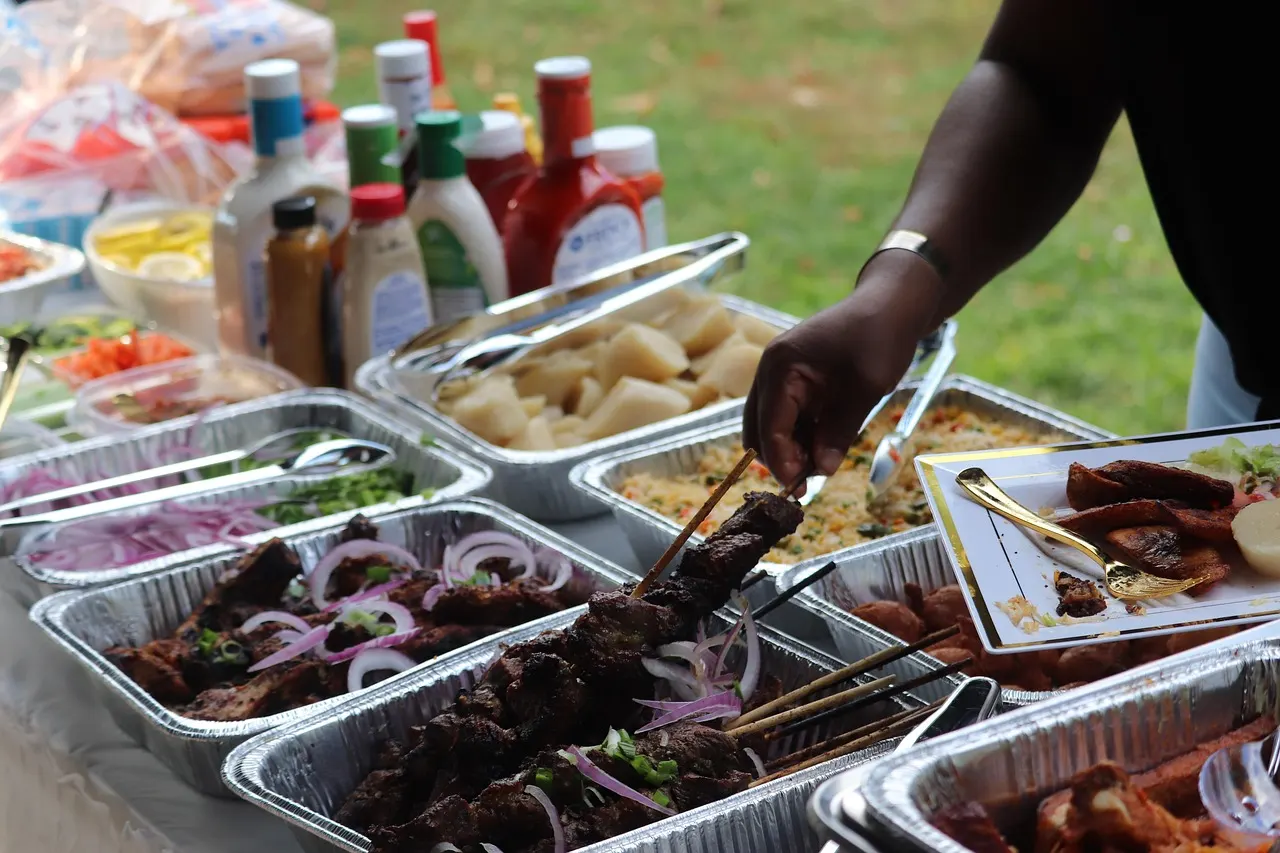
We provide the space, the sound, the air conditioning and the driver. The tailgate itself is yours, and it goes best when the jobs are assigned a week out.
- Food captain. In this heat, food that needs no cooking on site is the smart play: breakfast burritos for a morning load, subs, wings picked up hot on the way, dips in a cooler.
- Drinks captain. One person buys, everyone pays them back. Cans, not glass. Ask us about on-board drink rules when you call.
- Gear captain. Chairs, a canopy if the venue allows one, cornhole, trash bags, paper towels, sunscreen.
- Money captain. Collects the bus share before game day, not in the parking lot.
If a full lot setup sounds like more work than fun, the simpler version, ride in and pregame at a bar, is on the sporting events page. Settle the per-person number ahead with the split cost calculator.
Free quote
Planning a tailgating parties trip?
Send your date, headcount, and stops and we will match a vehicle to the plan. The form at the top of this page takes about a minute.
Helpful Resources
- Visit Phoenix — EventsOfficial Phoenix tourism event calendar
- Experience ScottsdaleScottsdale tourism and event resources
- Phoenix New Times — EventsLocal event listings and recommendations