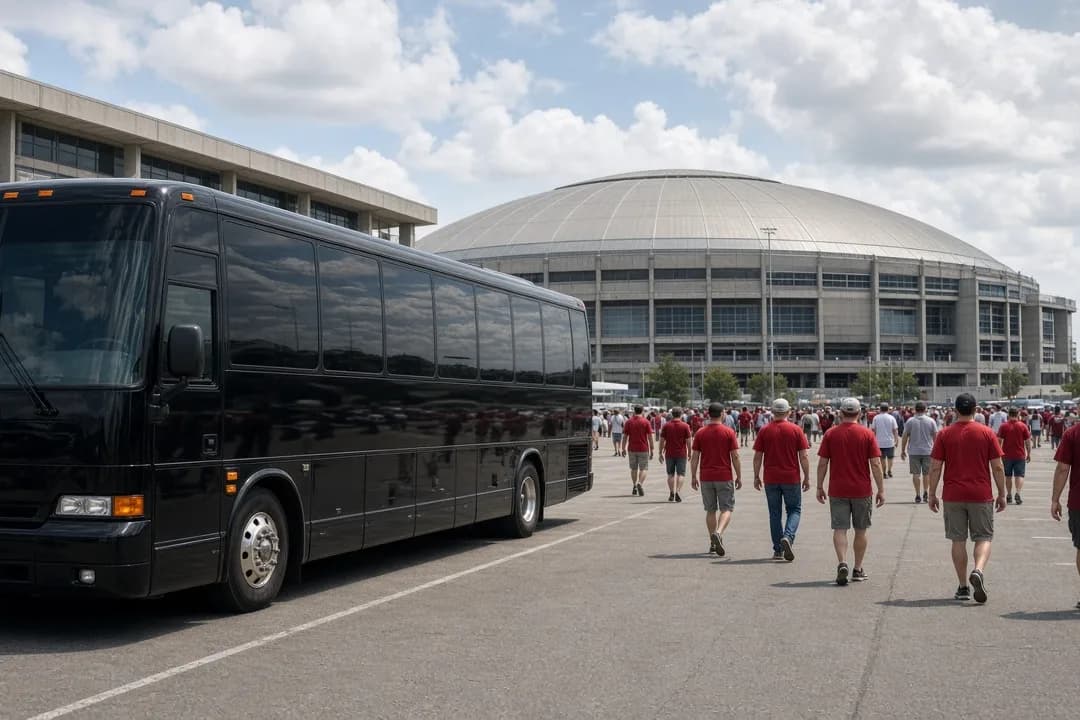
The tickets were the easy part. Now eighteen people need to get to the same place at the same time, and three of them have already asked where to park.
One vehicle answers all of it. Nobody pays for event parking, nobody's the designated driver, and the group walks in together instead of straggling through the gate in the second quarter.
Here's how game day works at each of the Valley's venues.
Game day groups run big
The most common sports group we quote is sixteen to twenty people, which is bigger than the usual night out. Tickets get bought in blocks: a row of season seats, a company outing, a fantasy league that's been promising to do this for three years.
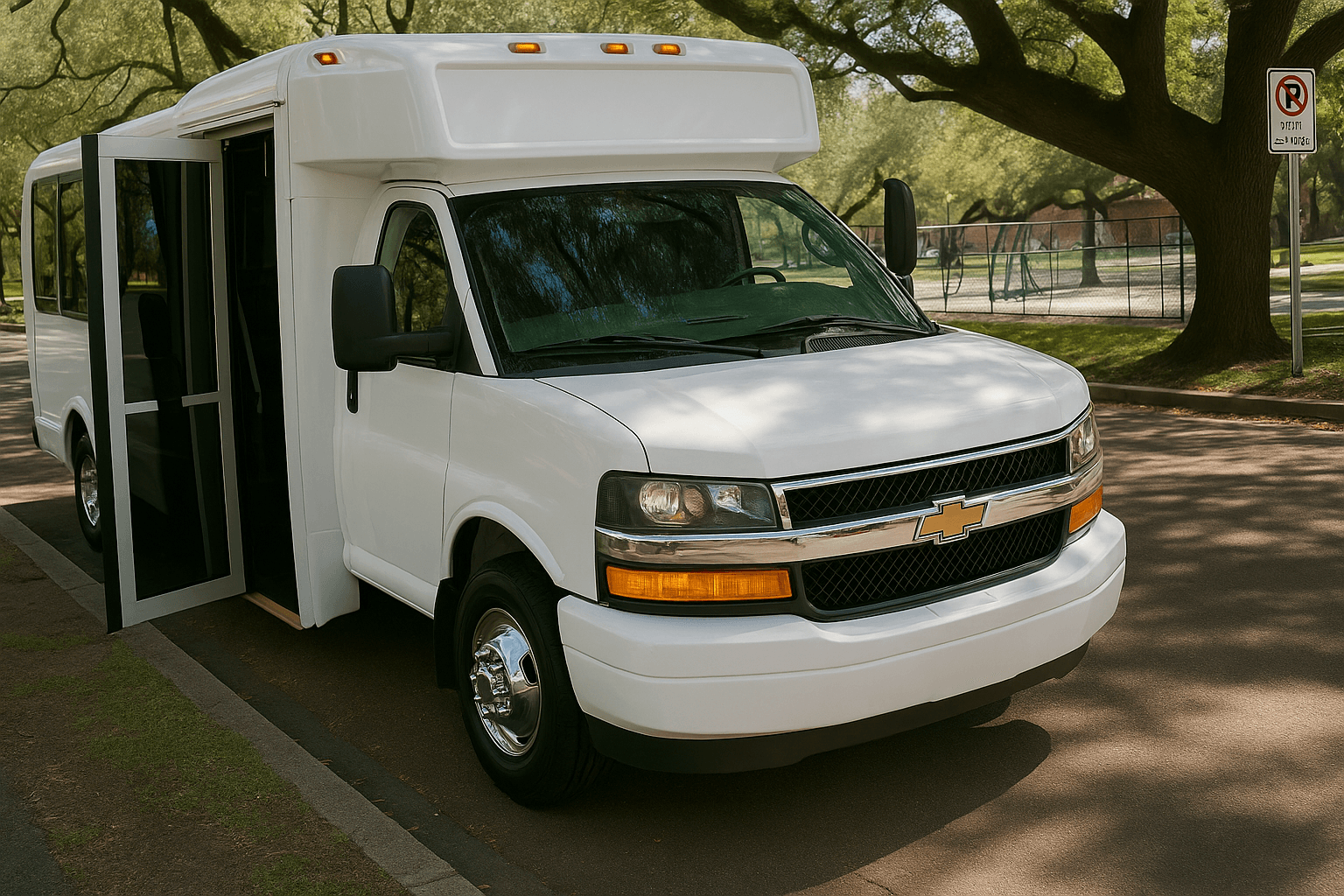
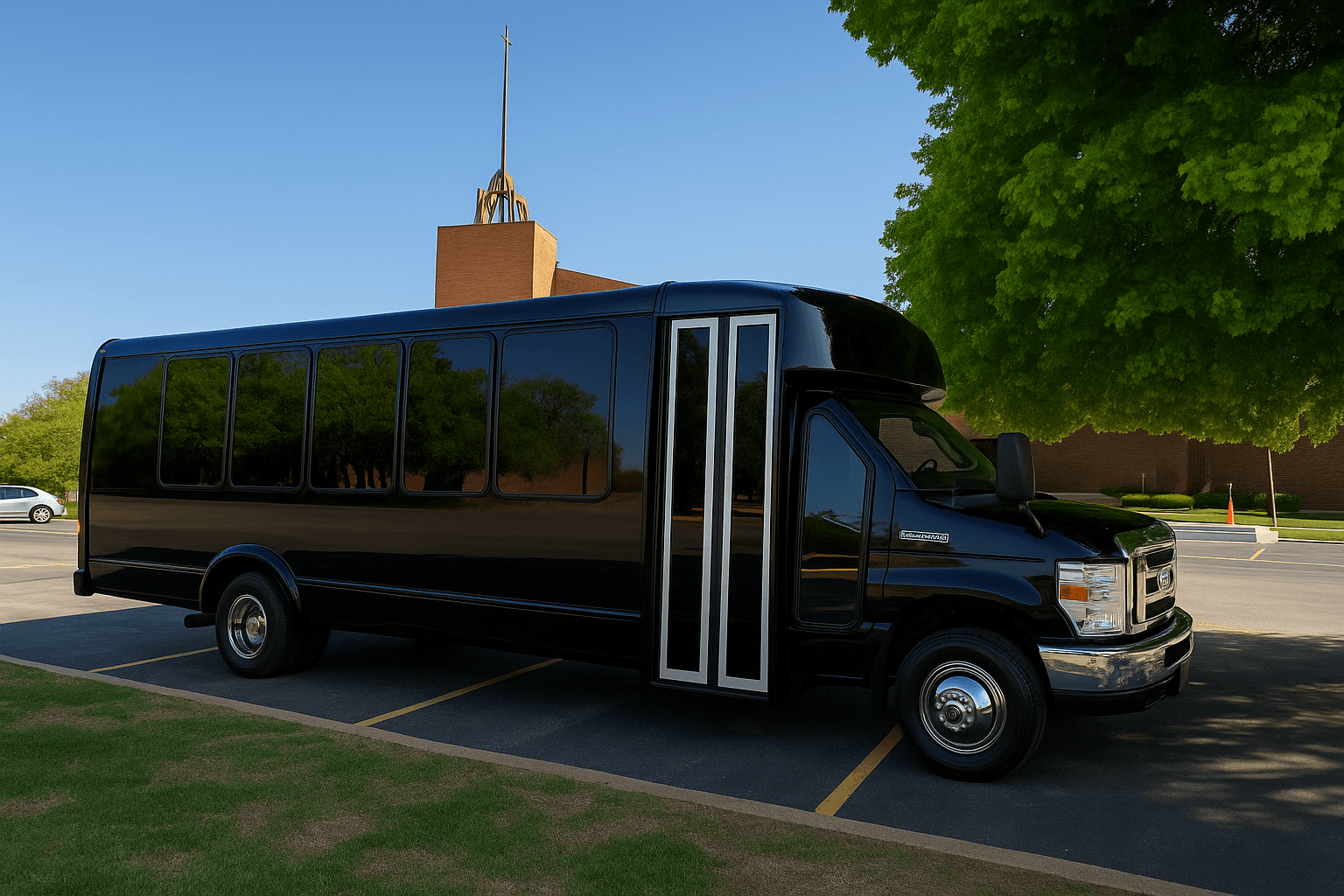
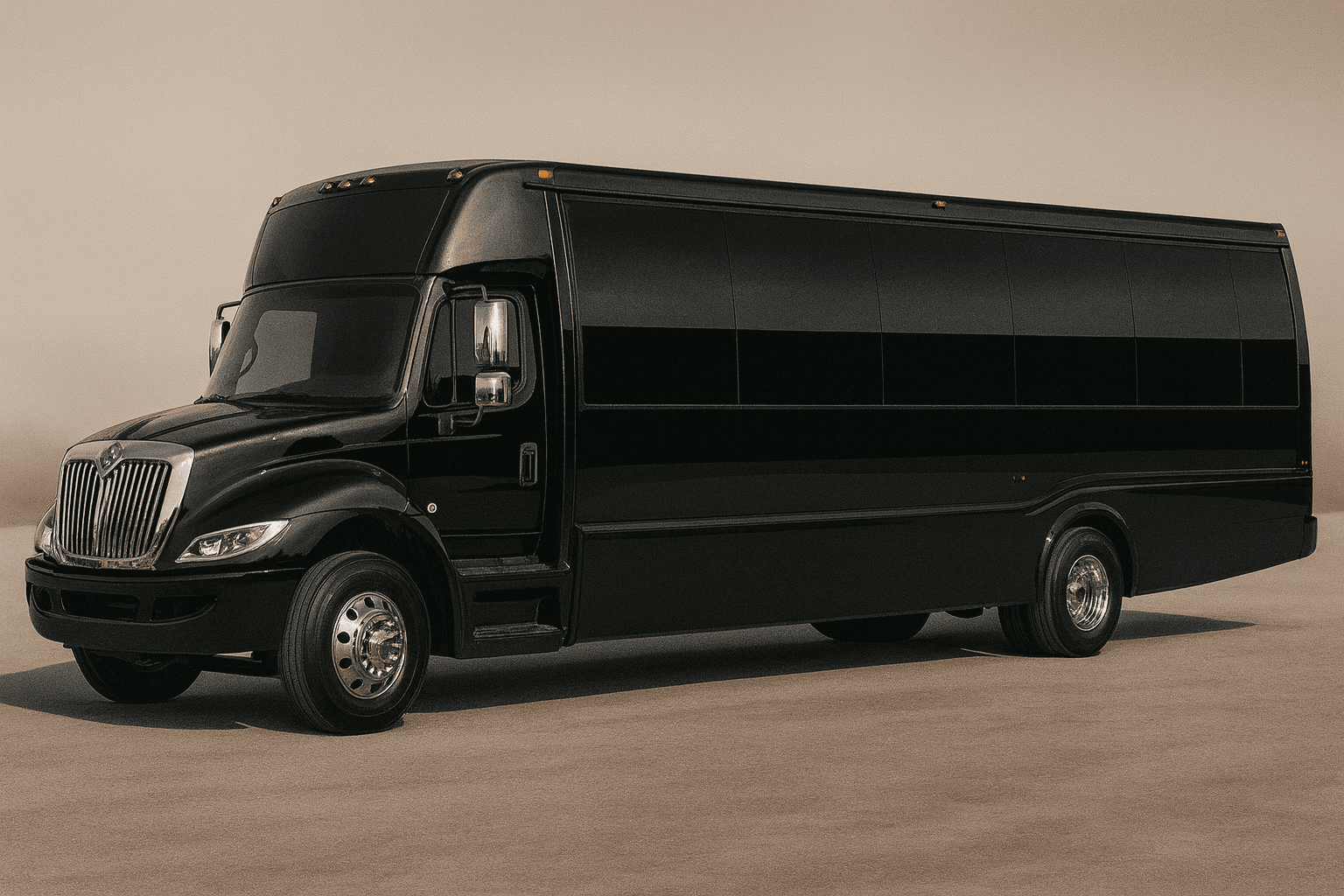
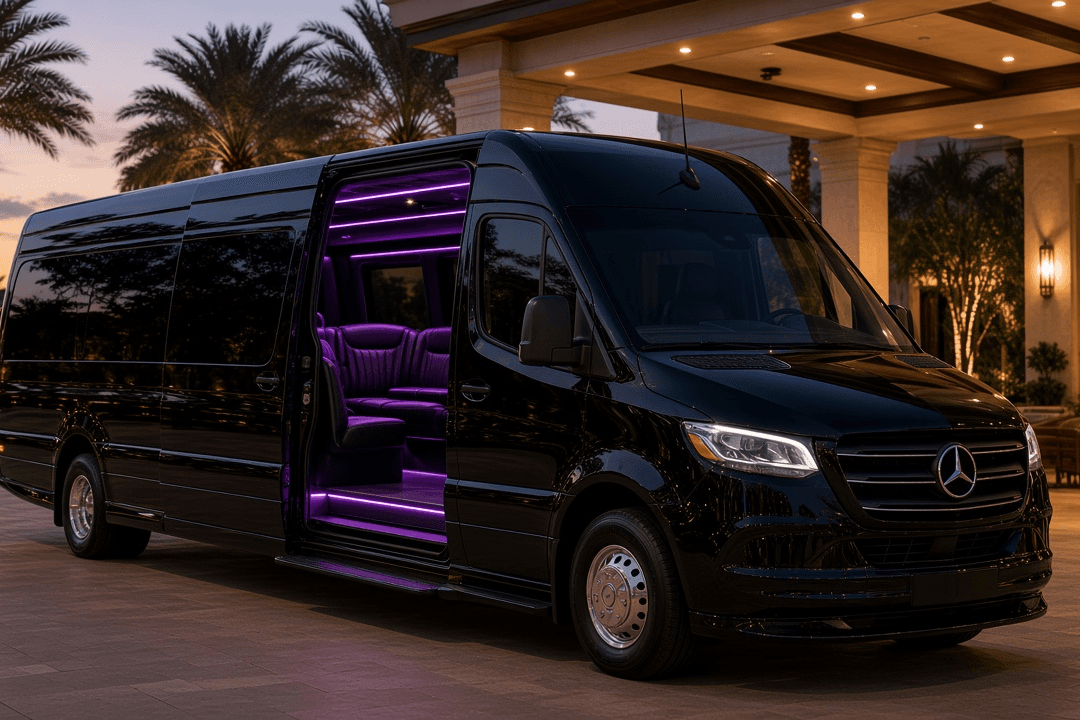
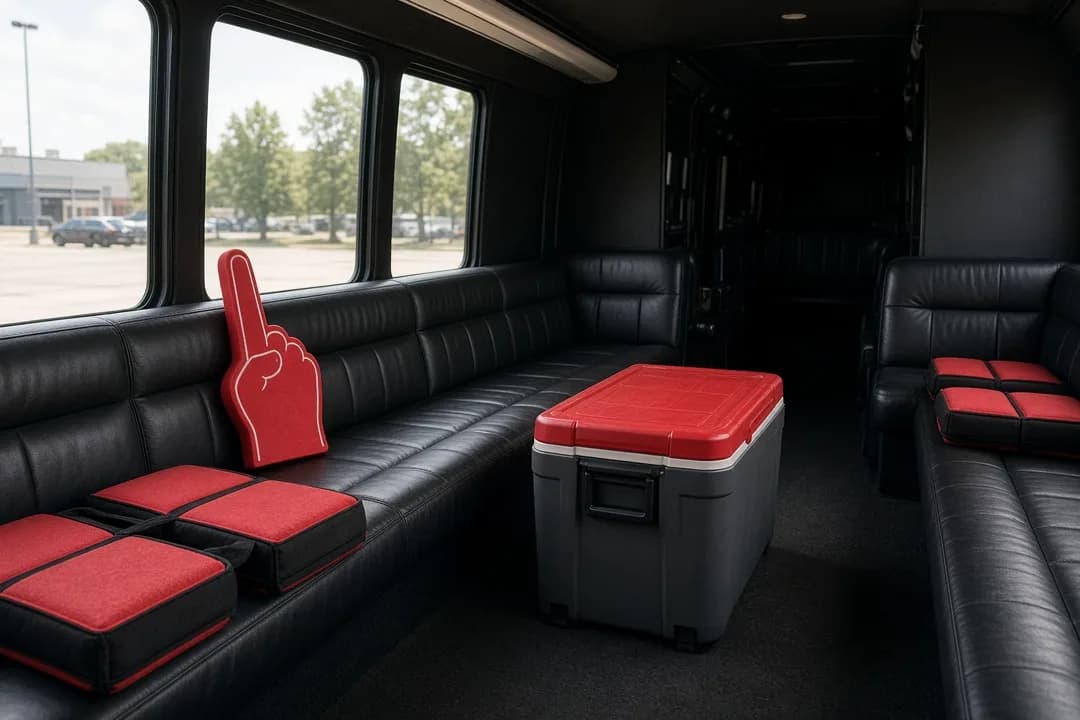
That size settles the vehicle question for you. Once a group hits sixteen, you're past the point where a Sprinter is realistic, so the choice is which bus. The 18-passenger party bus handles fifteen or sixteen with room for a cooler, and the 22-passenger party bus is the step up when the ticket block is twenty.
February is the heaviest month we see for sports requests, and it's not close. The Phoenix Open, the start of Cactus League play and Suns home games all stack up in the same three weeks, with visiting fans on top. If your game is in February or March, ask when the tickets are bought. Both of those weeks have their own guides: the Phoenix Open page and the spring training page.
How each venue loads
- Footprint Center, Suns and Mercury. Downtown, ringed by one-way streets and garages. Drop-offs happen on nearby streets rather than at the doors, and some blocks restrict traffic after the buzzer. The Footprint Center guide has the specifics.
- Chase Field, Diamondbacks. Two blocks east of the arena. With 81 home dates and a roof, it's the easiest venue in the Valley to plan on short notice. Details are in the Chase Field guide.
- State Farm Stadium, Cardinals and the Fiesta Bowl. Glendale, off Loop 101, with Westgate next door. Big lots, heavy traffic for ninety minutes on each side of the game.
- Mountain America Stadium and Desert Financial Arena, ASU. Tempe, a short walk from Mill Avenue. Road closures on football Saturdays push drop-offs a few blocks out.
- Phoenix Raceway. Avondale, out in the southwest Valley. Long approach roads and an all-day commitment, covered in the raceway guide.
Rules for where a large vehicle can stop belong to the venue and change by event, so tell us the game and we'll plan it for that date.
Leave times that get you there
Most game-day stress comes from leaving late. These are the three trips we're asked about most.
- Weeknight Suns game, 7:00 tip. The drive downtown overlaps with rush hour. From Gilbert or Chandler, roll by 5:15. From north Scottsdale, 5:00. That buys you dinner near the arena and seats before introductions.
- Cardinals Sunday, 2:05 kickoff. Glendale traffic builds two hours out. East Valley groups should leave by 10:45 for a real pregame at Westgate, and West Valley groups from Peoria or Surprise can wait until noon.
- Diamondbacks Saturday, 5:10 first pitch. Light traffic and a flexible arrival. Leave ninety minutes ahead and spend the extra time downtown.
The ride home pays for the bus
Twenty thousand people leave the arena in the same fifteen minutes. Sixty thousand leave the stadium in Glendale. Garages stack up, rideshare zones surge, and the group that arrived together ends up leaving in five cars.
Agree on a meeting spot before you go in, and make it specific: a street corner, a restaurant entrance, a landmark. Not "out front." Tell everyone the bus rolls 25 minutes after the final whistle and mean it. Groups with a plan are usually moving while most fans are still in a garage line.
There's also a good case for not rushing at all. An hour at Westgate after a Cardinals game lets Loop 101 clear, and downtown bars are a short walk from the arena after a Suns game. Building a post-game stop into the booking often gets you a better night and a faster drive home than fighting the first wave.

Heat, roofs, and picking a game
Phoenix is an easy sports town for weather, because the summer venues are climate controlled. Chase Field's roof is closed for most hot-weather home games and the arena is indoors. The stadium in Glendale has a retractable roof, and the NFL season mostly falls in good weather anyway.
The heat problem is outside the building. An early September Cardinals game or an August D-backs game means triple digits in the parking lot, and that changes the pregame. Instead of standing on asphalt, groups keep the party in a cooled cabin or inside at Westgate until it's time to walk in.
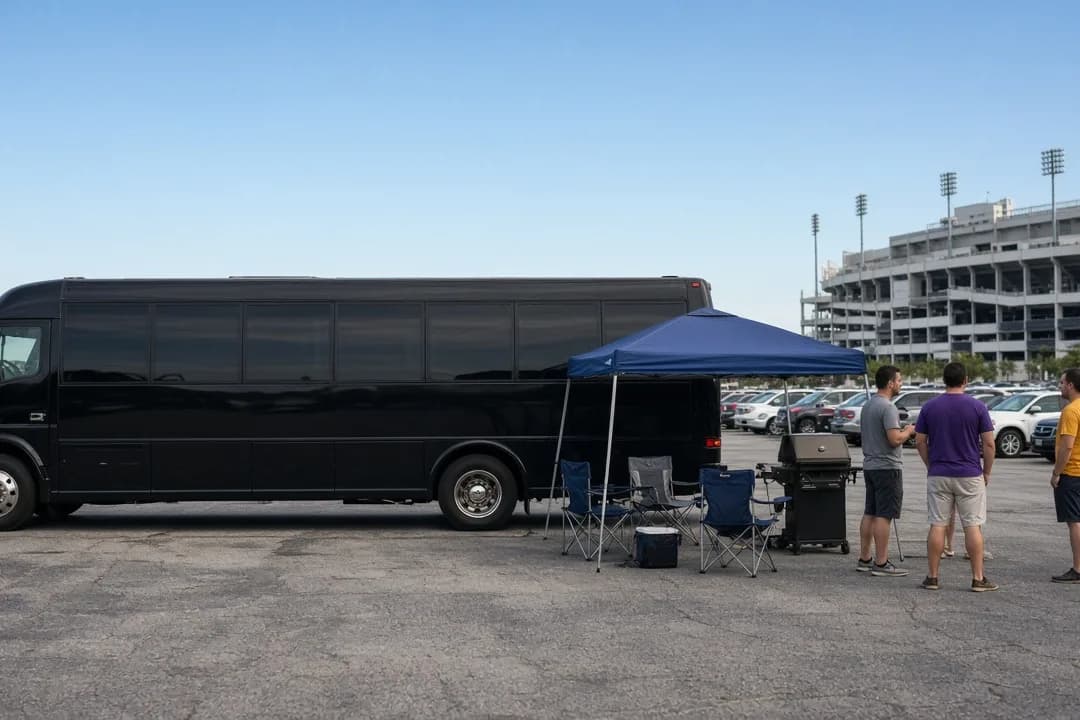
If a parking-lot setup is the main event for you, the tailgating page covers lots, timing and gear. Best months to be doing this at all, weather-wise: October through April, which is also when demand is highest, so the pleasant months reward asking early.
Splitting it across the ticket block
Bigger buses have historically come out cheaper per head. Around 25 riders, past quotes have worked out near $70 a person for the trip. That's a record of what we've quoted before, not a price for your game, and the date and hours will move it.
It's useful for one thing: showing the group that a full bus is reasonable next to downtown event parking, a rideshare surge at eleven at night, and the friend who'd otherwise be stuck drinking water all evening.
Collect the money with the tickets. If you're buying the block, add the bus share to each person's ticket price and settle it in one transfer. The split cost calculator does the division including gratuity. Trying to collect for the bus separately, later, is how organizers end up quietly short two shares.

Free quote
Planning a sporting events trip?
Send your date, headcount, and stops and we will match a vehicle to the plan. The form at the top of this page takes about a minute.
Helpful Resources
- Visit Phoenix — EventsOfficial Phoenix tourism event calendar
- Experience ScottsdaleScottsdale tourism and event resources
- Phoenix New Times — EventsLocal event listings and recommendations