Where your show actually is
Phoenix doesn't have one concert district. It has four or five, spread across a metro that takes most of an hour to cross.
The tour that played downtown last year might be in Glendale this year, and the plan that worked the first time won't work the second. Find your venue here, then read the section for it.
| Venue | City | Where to eat first | Vehicle note |
|---|---|---|---|
| Downtown Phoenix arena | Phoenix | Downtown, Roosevelt Row | Tight streets; Sprinters and mid-size buses are easiest |
| Arizona Financial Theatre | Phoenix | Downtown, Roosevelt Row | Same grid; set a pickup off the main block |
| Chase Field | Phoenix | Downtown | Stadium crowd; leave buffer after the show |
| Talking Stick Resort Amphitheatre | West Phoenix | Eat before you ride out | Big lots; any size works, the exit is slow |
| Desert Diamond Arena | Glendale | Westgate | Dining a walk from the door |
| State Farm Stadium | Glendale | Westgate | Biggest crowds here; longest exit |
| ASU Gammage | Tempe | Mill Avenue | Campus streets; earlier curtain, earlier finish |
| Mullett Arena | Tempe | Mill Avenue, Tempe Town Lake | Smaller room, quicker exit |
| Country Thunder | Florence | On the festival grounds | Long rural drive; day trips or camping drops |
If your hotel is in one part of town and the show is in another, run the route through the drive time calculator with a weekday early-evening start. That's when most concert rides happen, and it's the slowest hour on Valley freeways.
Downtown shows
Downtown is the easy one, because you can eat within walking distance of the doors. Three stages sit within a few blocks of each other: the downtown arena long known as Footprint Center, Arizona Financial Theatre, and Chase Field when the baseball calendar leaves room for a stadium tour.
Eat first, then walk over or take a two-minute hop. Roosevelt Row is a short ride north if you want something more local than the blocks by the arena. Our downtown arena page goes deeper on that building.
Getting back out
The exit is about streets, not lots. The moment a show lets out, the blocks nearest the doors fill with people and directed traffic, and a bus at the front curb just sits there.
Pick a corner two or three blocks out, in the direction you're heading home, and walk to it. A stadium night at Chase Field puts a much bigger crowd on those same streets, so give everyone a realistic walking time to reach the spot.
One more thing before you set a dinner time: check whether the arena, the theater and the ballpark all have something on that evening. Three crowds arriving downtown at once changes how long the last mile takes.
The west Phoenix amphitheater
Two things decide this night, and neither one is the show.
First, there's nowhere to walk to. Talking Stick Resort Amphitheatre, the Valley's big outdoor shed, sits off the I-10 in west Phoenix surrounded by its own lots. Eat before you ride out, or build a dinner stop near wherever your group is coming from.
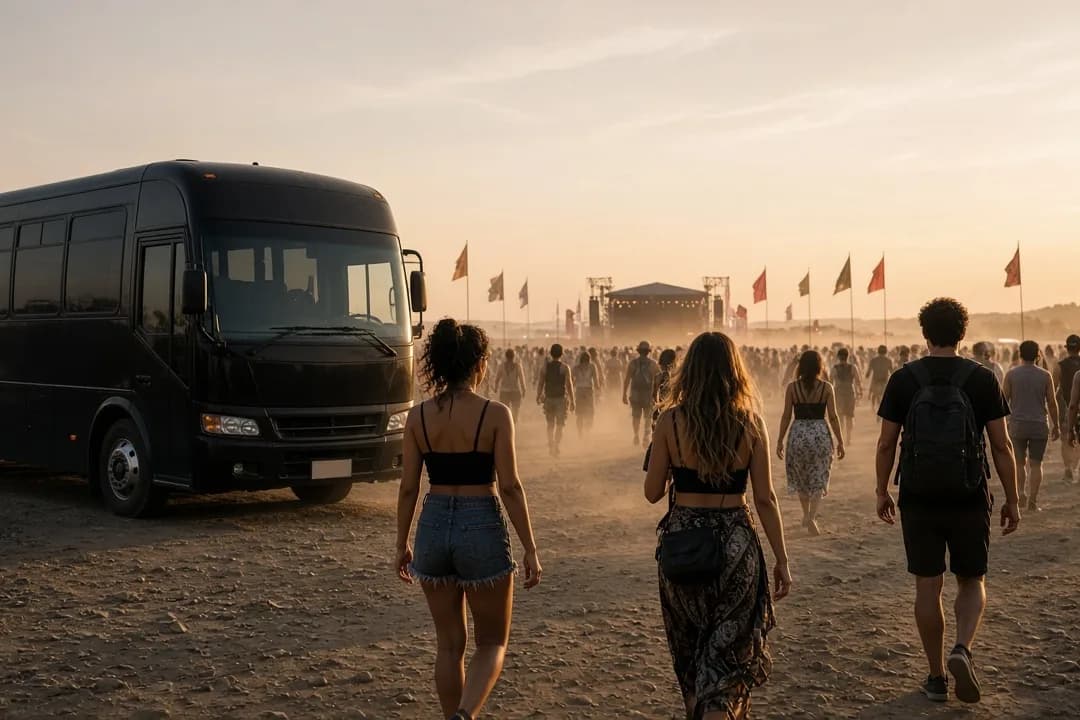
Second, the exit. Everyone there arrived in a vehicle and everyone leaves at once through a handful of lot exits. A chartered bus waits in the same line you would. What changes is how you spend the wait: seated, cooled, with your own music on, instead of gripping a steering wheel.
Shows in August
Nearly a quarter of the concert groups who call us are headed to an August show. That's tour season, and it's also when an outdoor venue here is at its most punishing. It can still be over 100 degrees at showtime, and lawn seats get no shade until the sun is down.
Summer is our quietest stretch of the year overall, so vehicle choice is usually wide for an August date. Use that. Take the roomier option and treat it as your cooling station on both ends of the night.
A few things that genuinely help:
- Drink water on the ride in, not just once you're inside.
- Check the venue's own site for its current bag and water-bottle rules before you leave the house.
- Skip the openers if nobody in the group cares about them, and miss the hottest hour.
- Ask your driver to have the cabin cold before the encore ends.

Glendale and Westgate
Westgate is the friendliest pre-show district in the Valley, because dinner and drinks are a walk from both doors. Desert Diamond Arena is the indoor room, with a steady run of touring acts. State Farm Stadium next door hosts a handful of concerts a year, and they're the biggest shows in the state.
Get dropped at the district early, eat, and walk to the doors. Afterward you get a choice most venues don't offer: leave right away, or stay an hour and let the lots drain. For a stadium show, staying is often the faster way home. Tell your driver which one you're doing so the pickup time is a real time.
From Scottsdale or the East Valley, figure 35 to 45 minutes out there in normal traffic, and longer on an event evening.
Tempe shows
Tempe is the most compact night on this list. Both rooms are tied to Arizona State, and Mill Avenue is a short ride from each, so dinner, the show and a drink afterward fit into one tight loop.
Gammage, the round Frank Lloyd Wright auditorium on the edge of campus, leans toward Broadway tours, comedy and seated shows. Curtain times are earlier and firmer there, and late seating can be limited, so build in a cushion. Mullett Arena is newer and smaller, and it clears fast.
The thing to watch is the campus itself. Pedestrians, scooters and the occasional street closure make a large vehicle slow, so agree on a pickup along a main road rather than somewhere deep in the grid. Our Tempe page has the spots we usually load near Mill.
When to call, and what size
Call the day you buy tickets. That's the whole tip, and hardly anyone does it.
Concert groups reach us later than any other kind we handle, usually about two weeks out, once the tickets are in hand and the group chat has settled on who's actually going. In summer that works out fine. It's a gamble on a spring Saturday or a stadium date, when proms and weddings want the same buses.
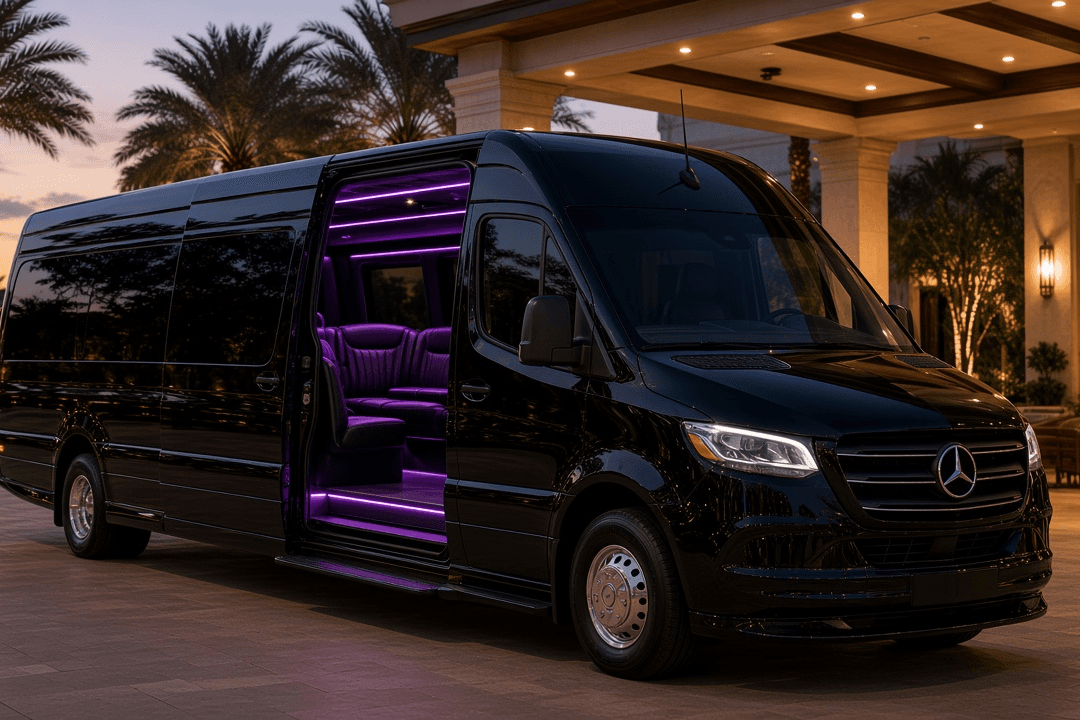
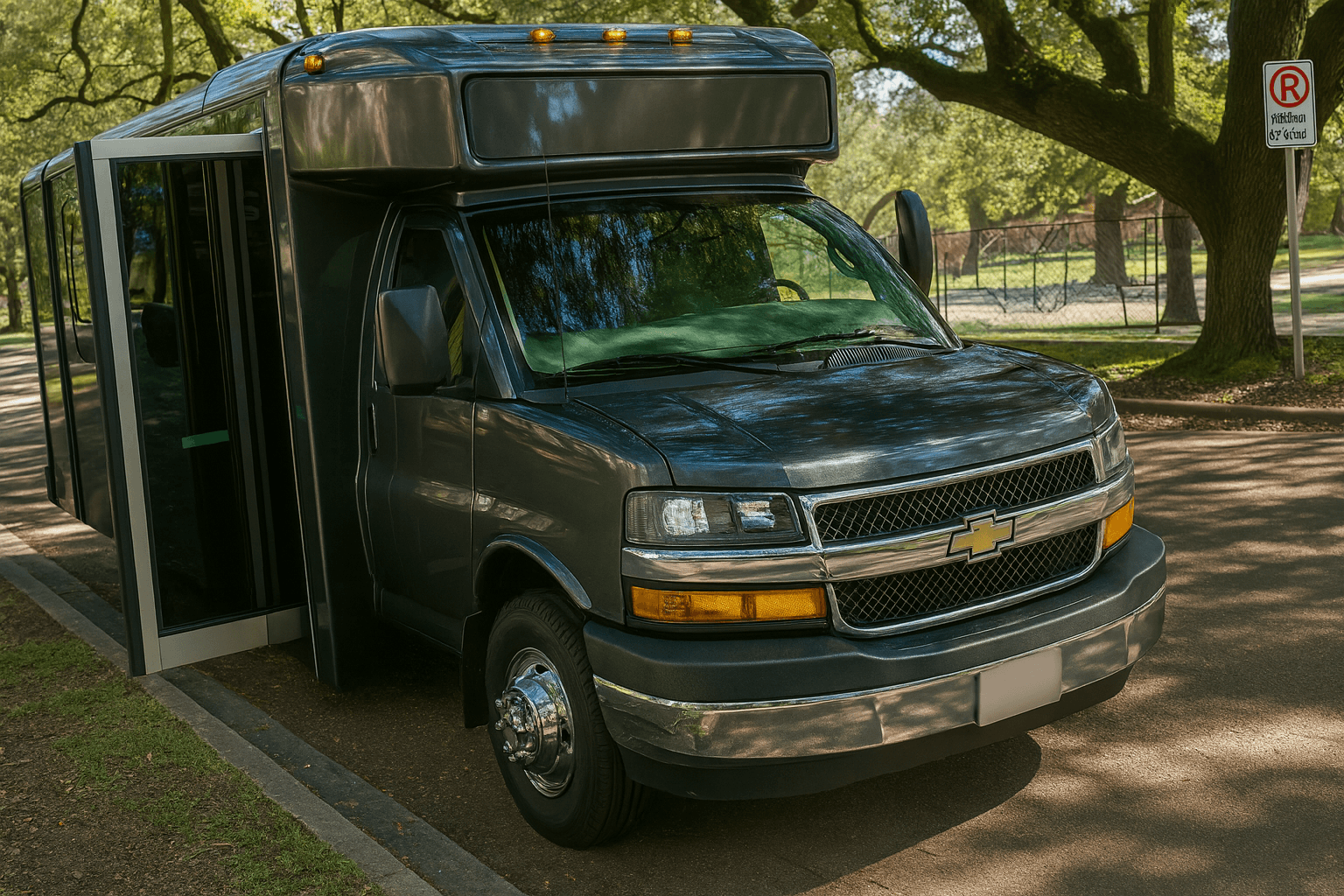
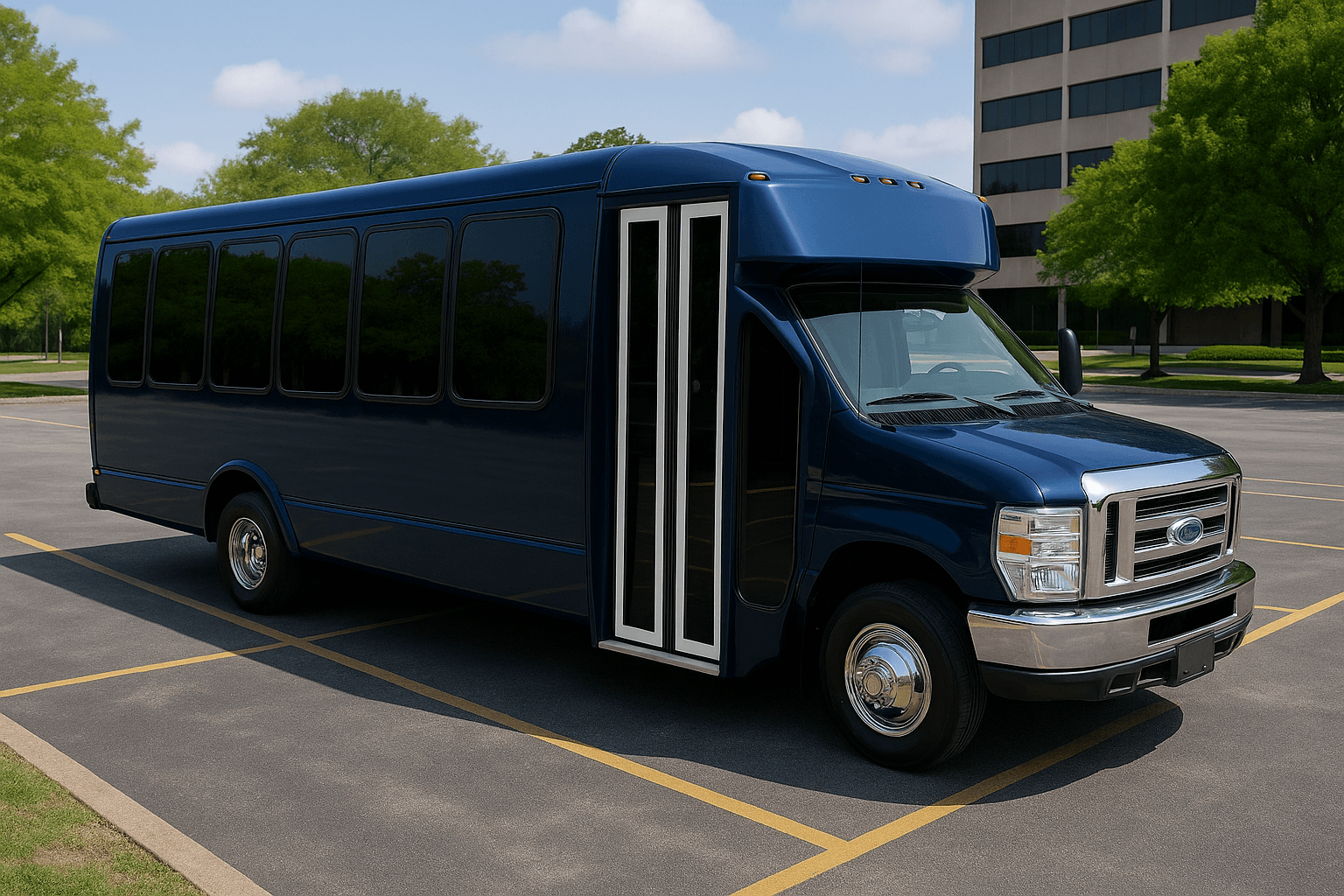
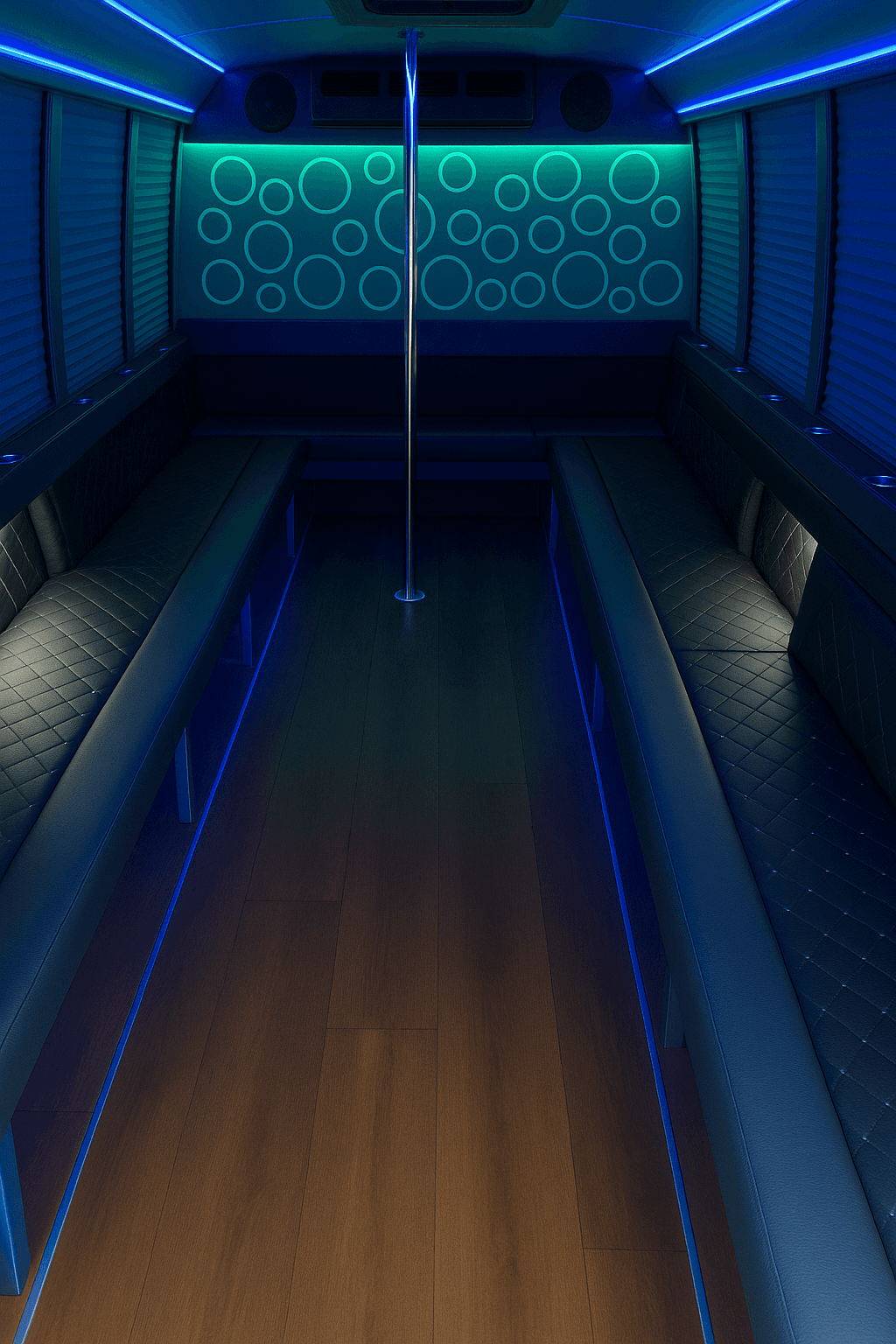
On size, eleven to fifteen people is the most common group we see in Phoenix, and concert groups sit right in the middle of it. That leaves you choosing between a limo Sprinter, which is nimbler on downtown and campus streets, and a 16-passenger party bus, which gives you room to stand and a sound system worth building a pre-show playlist for.
Creeping toward twenty? The 24-passenger party bus keeps everyone in one vehicle, with somewhere to put the merch on the way home.
Festivals and Country Thunder
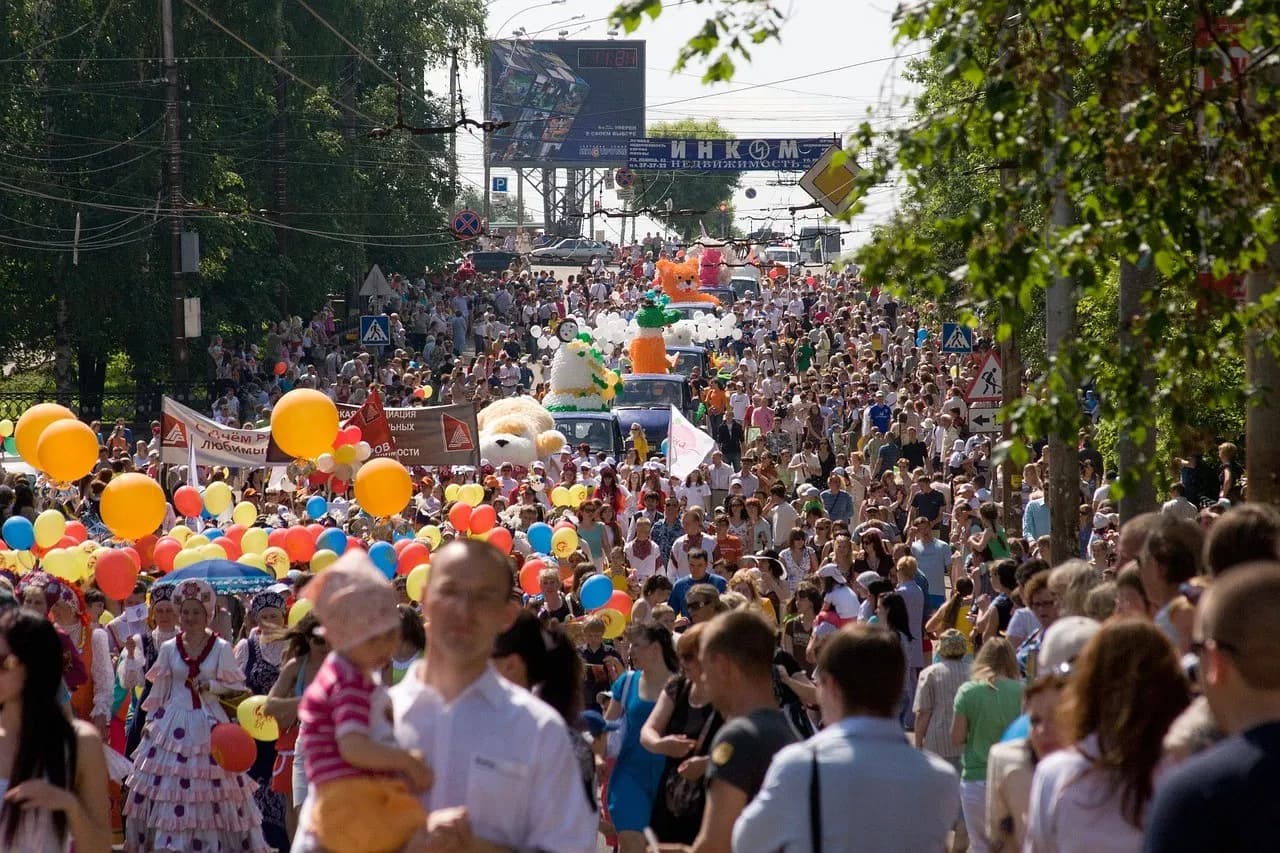
A festival is a different problem from a single show. The day is long, people fade at different times, and the site is usually a field or a park with temporary entrances that move from year to year.
City festivals
Steele Indian School Park in central Phoenix and WestWorld up in north Scottsdale both host music and food festivals through the cooler months. Each one sets its own entrances, closures and drop-off zones, and they change, so check the festival's own transportation page and send us the link with your request.
Our music festival page covers how we structure a full day, including when a drop-off and a scheduled return beats keeping the vehicle with you the whole time.
Country Thunder
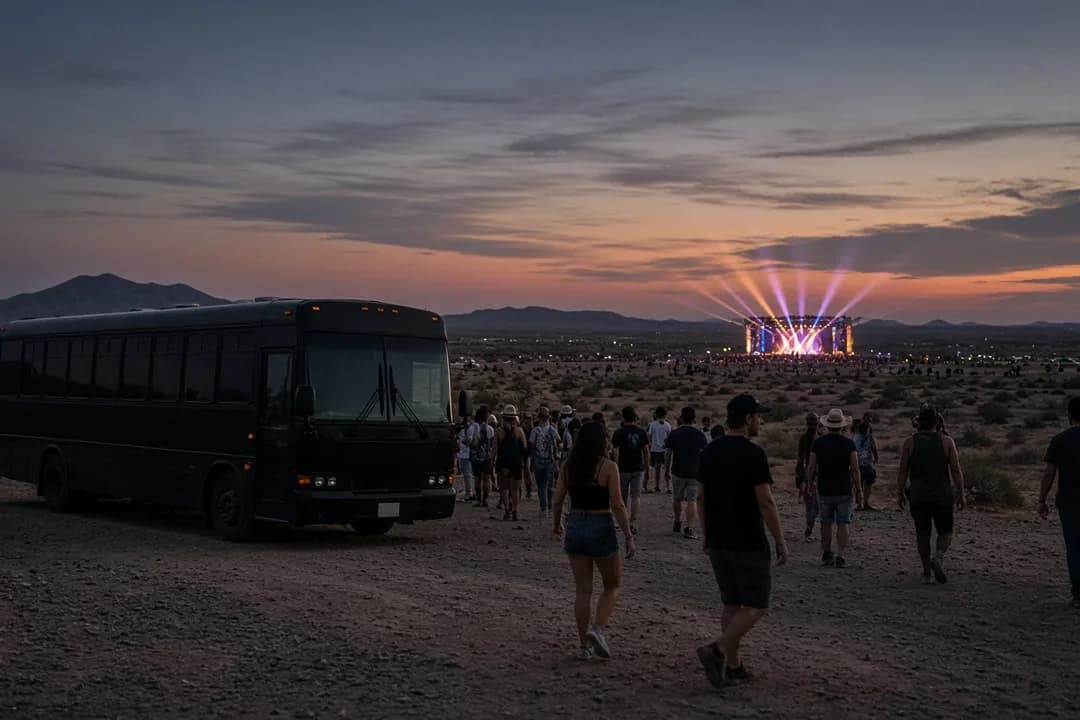
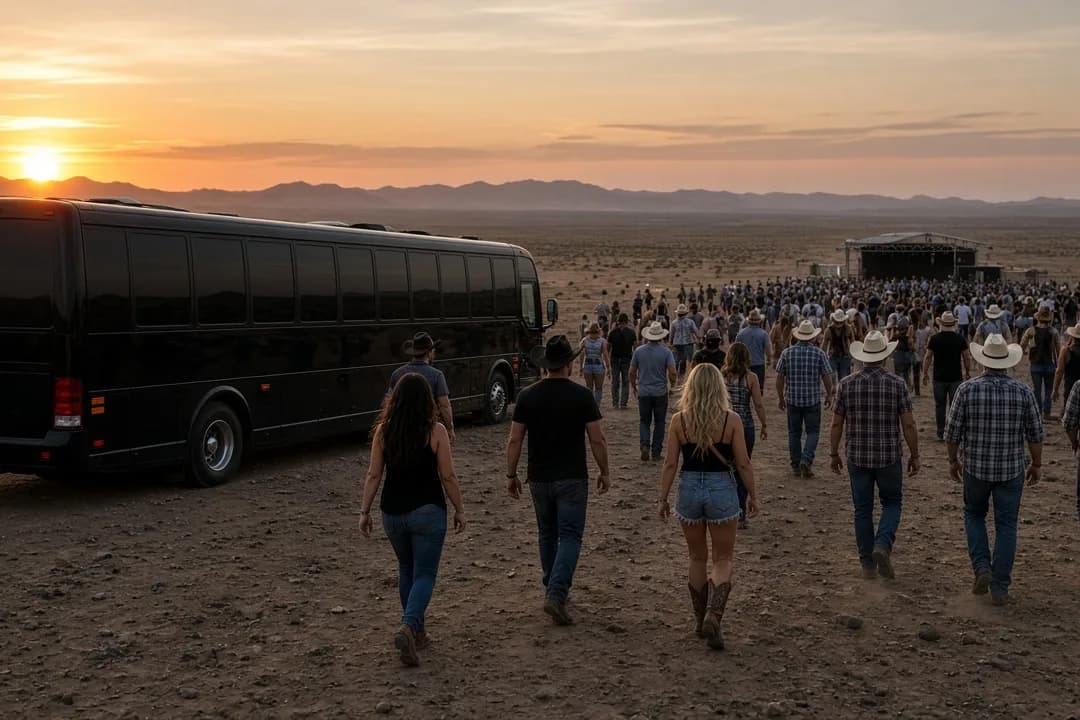
Country Thunder is the big one, a multi-day country festival held each spring outside Florence, southeast of the metro. Plan on over an hour from most of Phoenix and Scottsdale, and know that the last stretch is rural two-lane road shared with everyone else heading the same way.
Plenty of people camp. The ones who most need a ride are the day-trippers, because driving home late after a full day in the sun and dust is the worst part of the weekend. Set your return time before you leave and hold to it. Our Florence page has more on trips to that side of Pinal County.
Getting picked up after the encore
Every venue above ends at the same question: when and where does the group get back on? Three things answer it.
Work out the real end time. Look up setlists or reviews from earlier stops on the tour. Headliners are consistent, and you can usually call the end of the encore within fifteen minutes. Give that time to your driver, not the one printed on the ticket.
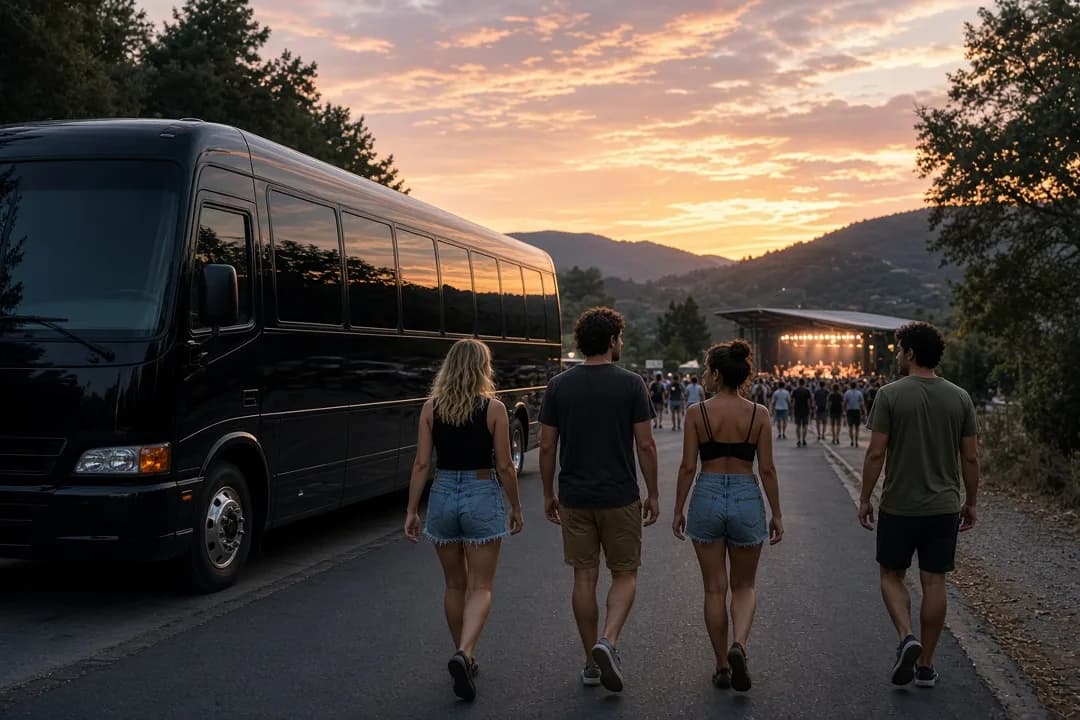
Decide early or late, together. The slow way is walking out with everybody else and hunting for your vehicle at the main gate. Slip out during the last song and you beat the crowd. Hang back twenty minutes and you often get home at the same time with a lot less standing around. Either is fine. Pick one on the ride in.
Name the spot out loud. Use something that'll still be obvious in the dark with thousands of people around: a specific street corner downtown, a named restaurant entrance at Westgate, a lot marker at the amphitheater. Drop a pin in the group chat before you walk in, while everyone still has battery and signal.