How many seats do we actually need?
Count the people who'll really ride, then leave a little slack. That's the whole job, and the slider does the hard part for you.
An invite list isn't a headcount. The friend who said "sounds fun" in March has a work trip that weekend, and the one who never replied shows up with a date.
If your group has formally answered, like a wedding party or a prom group whose parents already paid, slide it near the top. An open birthday invite is softer, and the longer the list, the more it shrinks.
Plus-ones push the other way, so count partners now instead of the week of. Once you have real names, move over to the guest list manager and track actual answers instead of a percentage.
Can we squeeze one more person on?
No, and it's better to know that now than at the curb. Passenger capacity is a hard ceiling. A 20-passenger bus carries 20 people, not 21 with someone on a lap, and your driver counts heads before anyone leaves the driveway.
The ceiling isn't the comfortable number either. Packed to the last seat is fine for a 20-minute run to dinner. Four hours with coolers, bags and people who want to stand up is a different night, and a spare seat or two changes how it feels.
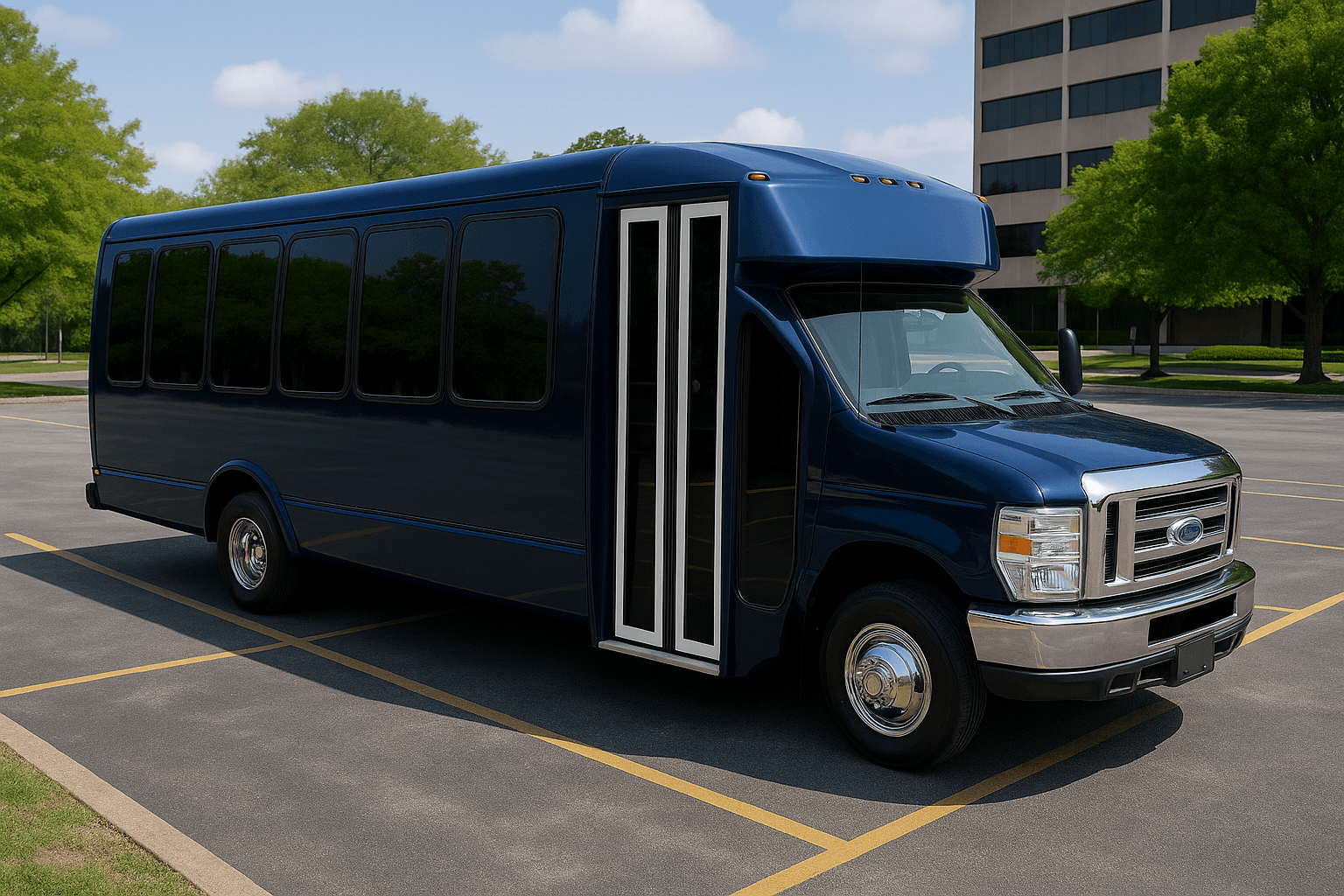
So if your planning number lands exactly on a vehicle's capacity, open the next size up before you decide. A group of 20 should be looking at both the 20-passenger party bus and the 22-passenger party bus.
Where the size decision gets hard
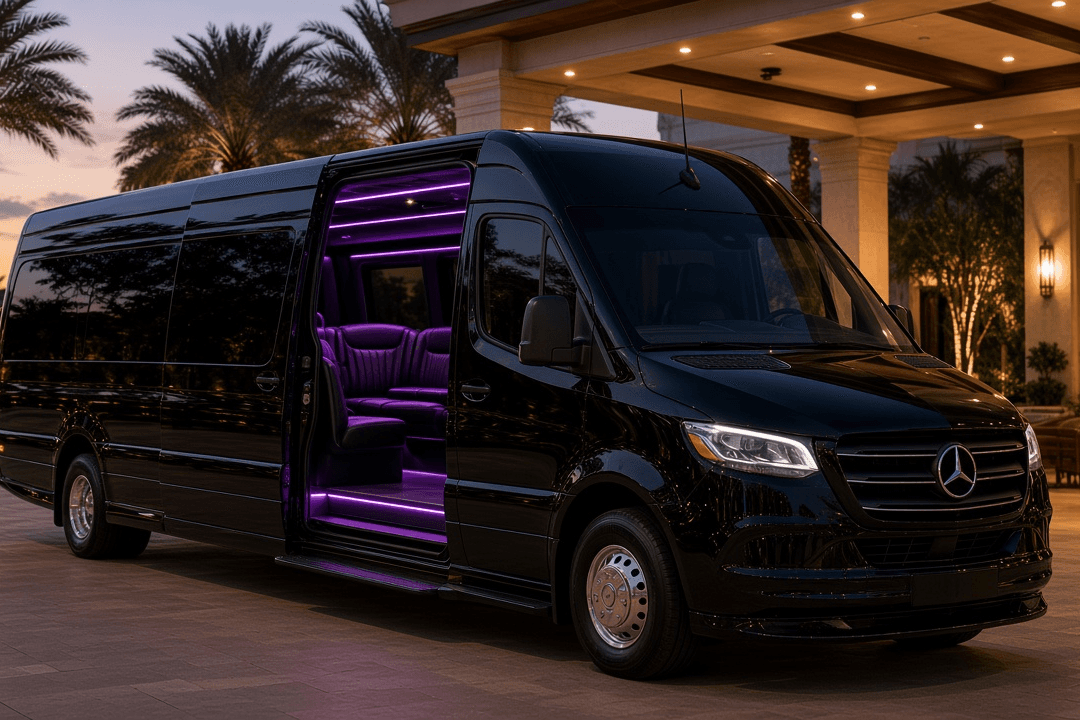
For most headcounts the choice makes itself. Ten or fewer and you're looking at a Sprinter limo. Sixteen and up and it's a party bus, because almost nothing else that size makes sense.
Eleven to fifteen is the one band that's genuinely open. Both vehicles fit, and Valley groups split about down the middle between them, so pick by the kind of night you want.
- Limo Sprinter: lounge seating, everyone facing each other, one conversation the whole way. Dinners, wine tours, a ride where people stay put.
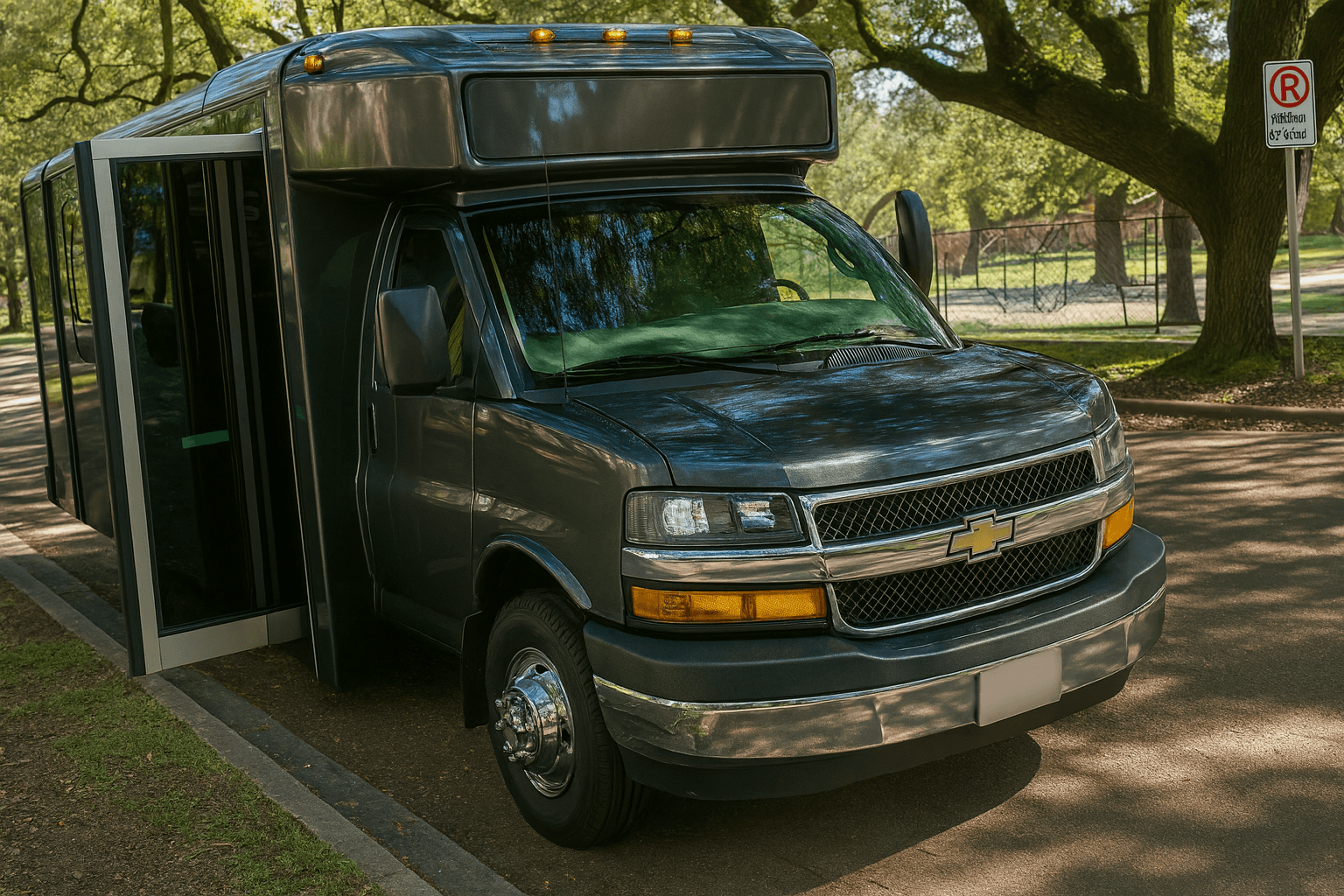
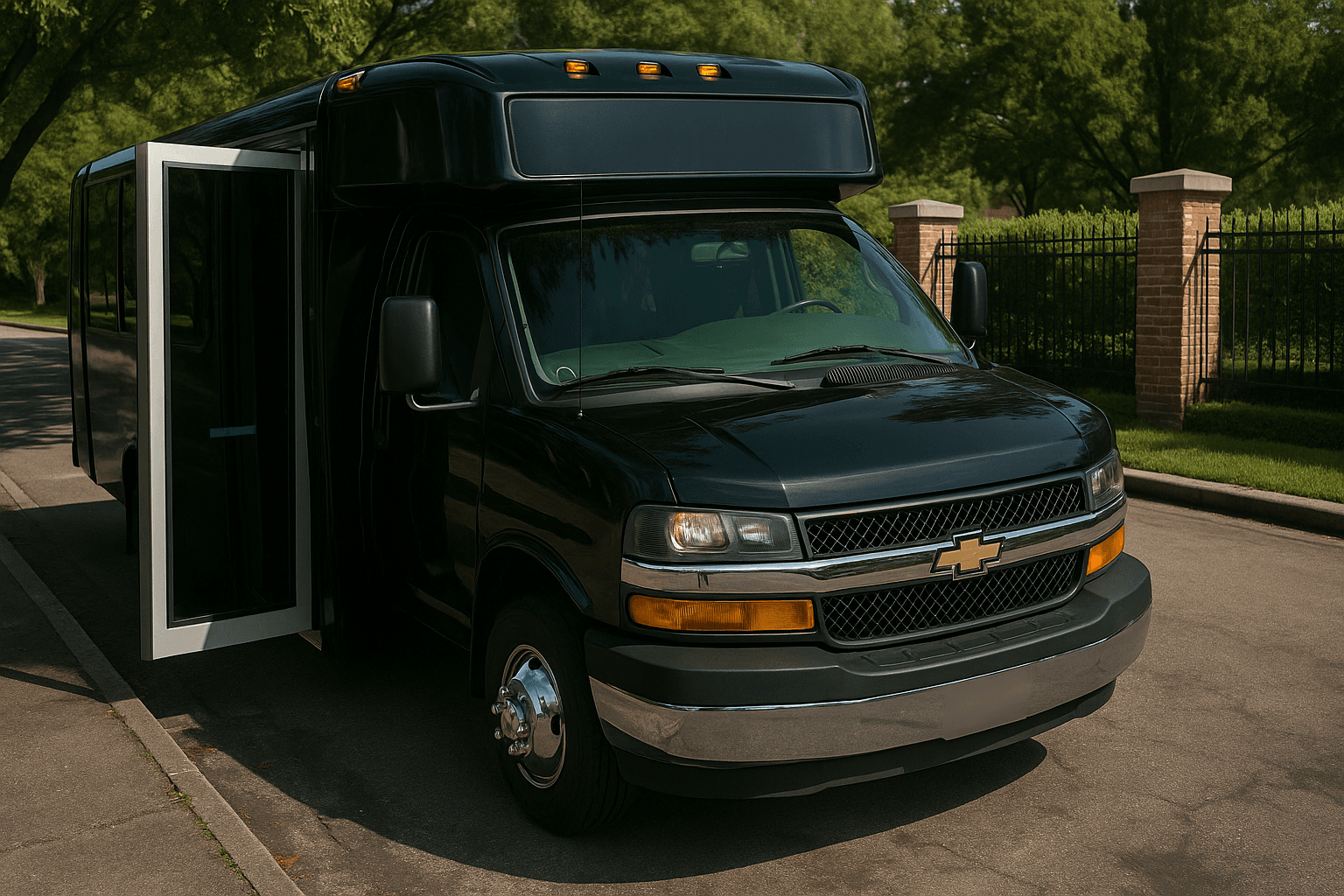
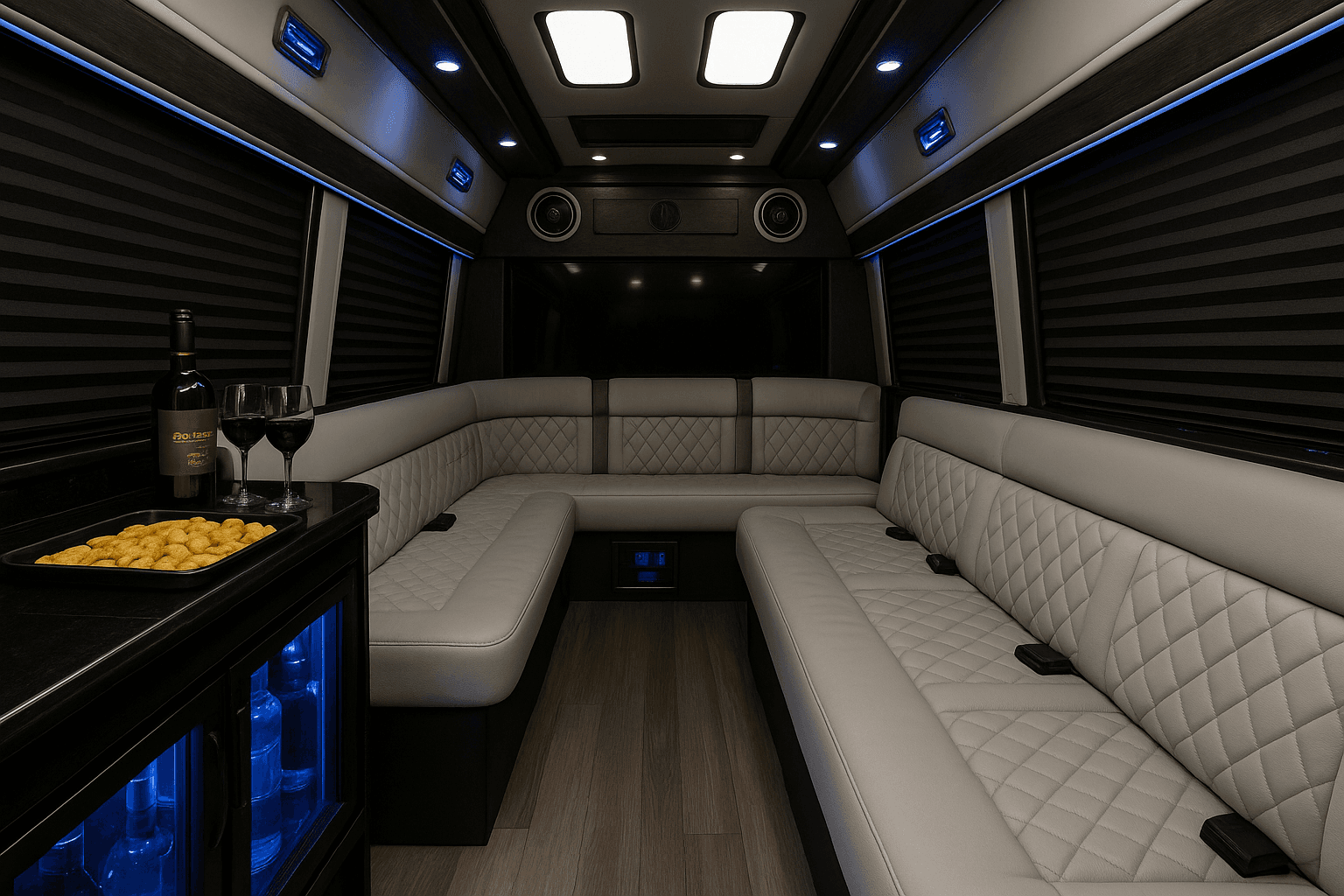
- 16 or 18 passenger party bus: headroom, open floor and a sound system. Birthdays and bar nights where the ride is part of the party. Start with the 16-passenger party bus.
When to book a bigger bus
Size up when the list is still moving, when the ride is long, or when you're hauling gear. A golf outing loses seats to bags, a lake day loses them to coolers, and formalwear takes more room than jeans.
Don't size up out of habit, though. The typical Valley group is about 15 people, and only one in five is bigger than 20. A half-empty 40-passenger bus feels flat, and you're paying for chairs nobody sits in.
Past 30 riders the caution flips. Fewer vehicles fit you, so get the date in early. Once your number settles, the party bus cost estimator shows what groups your size have been quoted before.
What groups like yours usually book
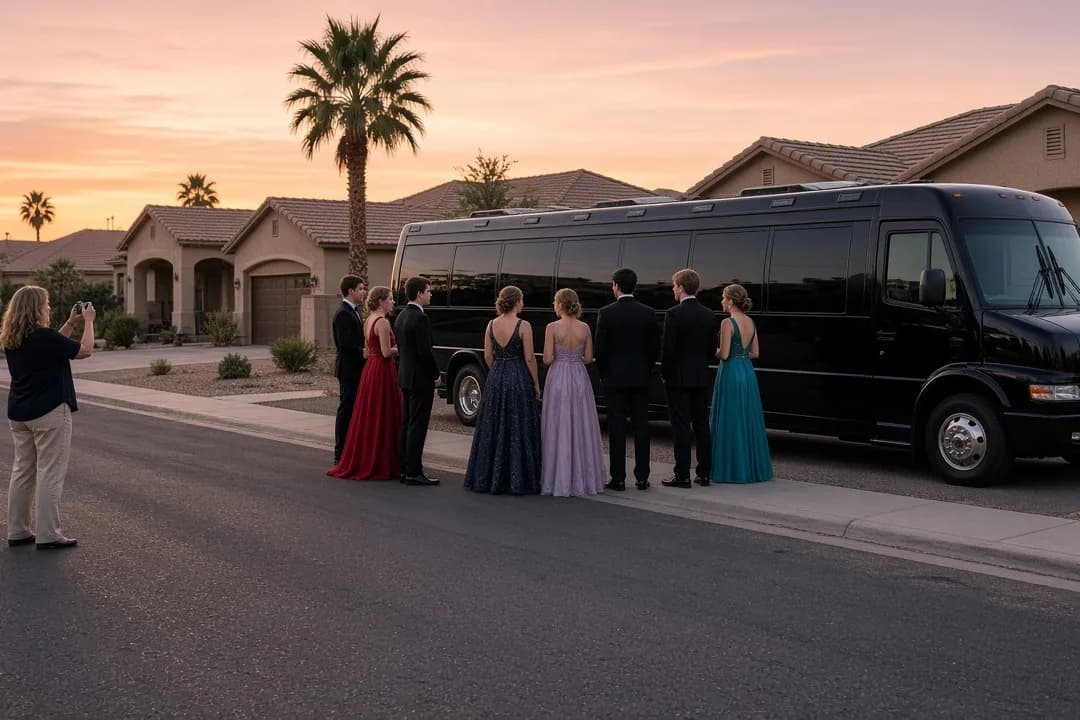
It helps to see where similar groups land. Prom is the loudest example: most Valley prom groups run about 20 riders, and a third end up bigger, because friend groups merge once parents start comparing plans. Leave two seats open for prom night and close the list early.
Bachelor and bachelorette groups are smaller. A dozen is typical and most stay at 15 or under, which drops a bachelorette weekend right into the band where either vehicle works.
Weddings split in two: a limo or mid-size bus for the wedding party, a bigger shuttle for guests. Whatever number you land on, confirm what really seats it with the bus capacity checker.
Want the underlying numbers rather than the summary? They all live on our Phoenix transportation data page, group sizes included.