What the range actually means
The three cards each answer a different question. One is what groups your size have been quoted. One compares four hours with five. One compares a Saturday with the rest of the week.
They don't add up. A 12-person Friday night isn't the sum of three cards, so the honest reading is the span between the lowest and the highest. That span is where your conversation is likely to start.
Each figure is a middle number, too. Half the groups in that band were quoted more and half were quoted less, which is why the low end is a bad place to set your budget.

What moves a Phoenix quote
Six things do most of the work, and you control a few of them.
- The day. Saturday is the busiest night in the Valley, and Saturday quotes have run about $300 above the same trip on a Friday. It's the biggest lever you've got.
- The hours. A fifth hour has added a few hundred dollars. It's cheaper to ask for it up front than to run into overtime at midnight.
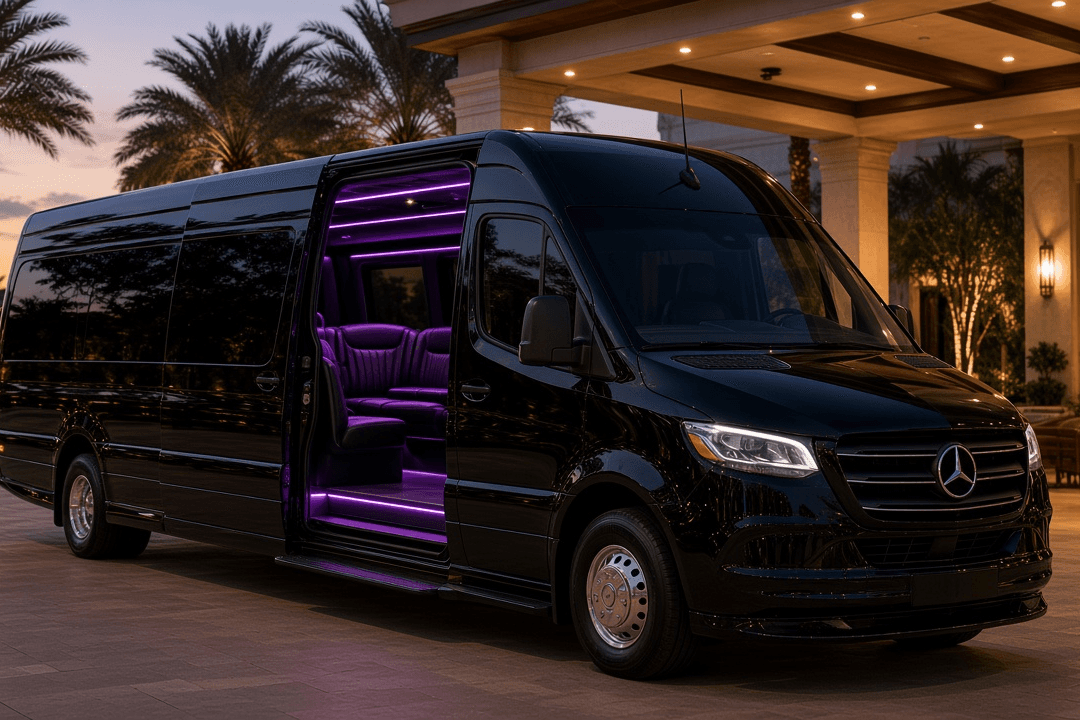
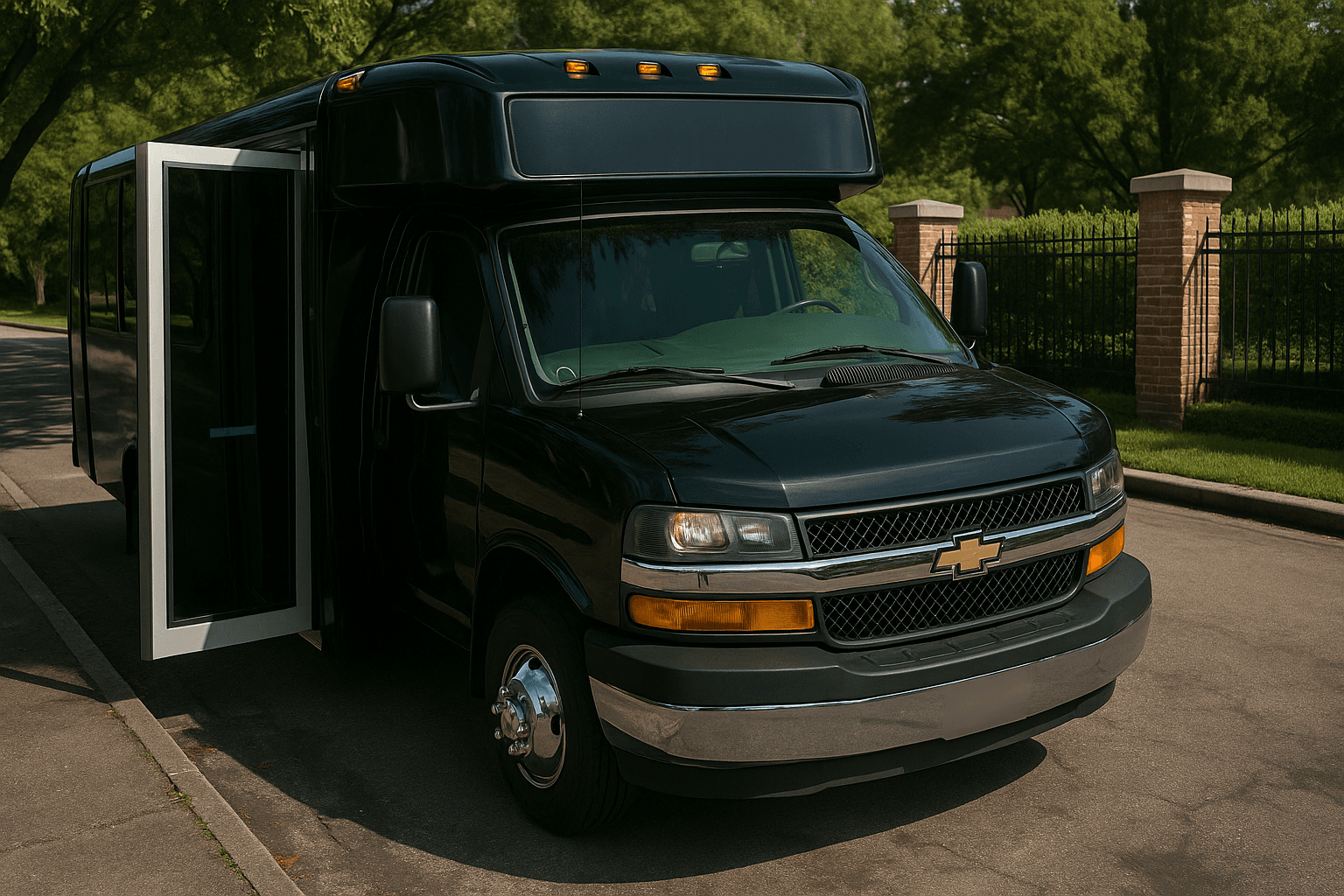
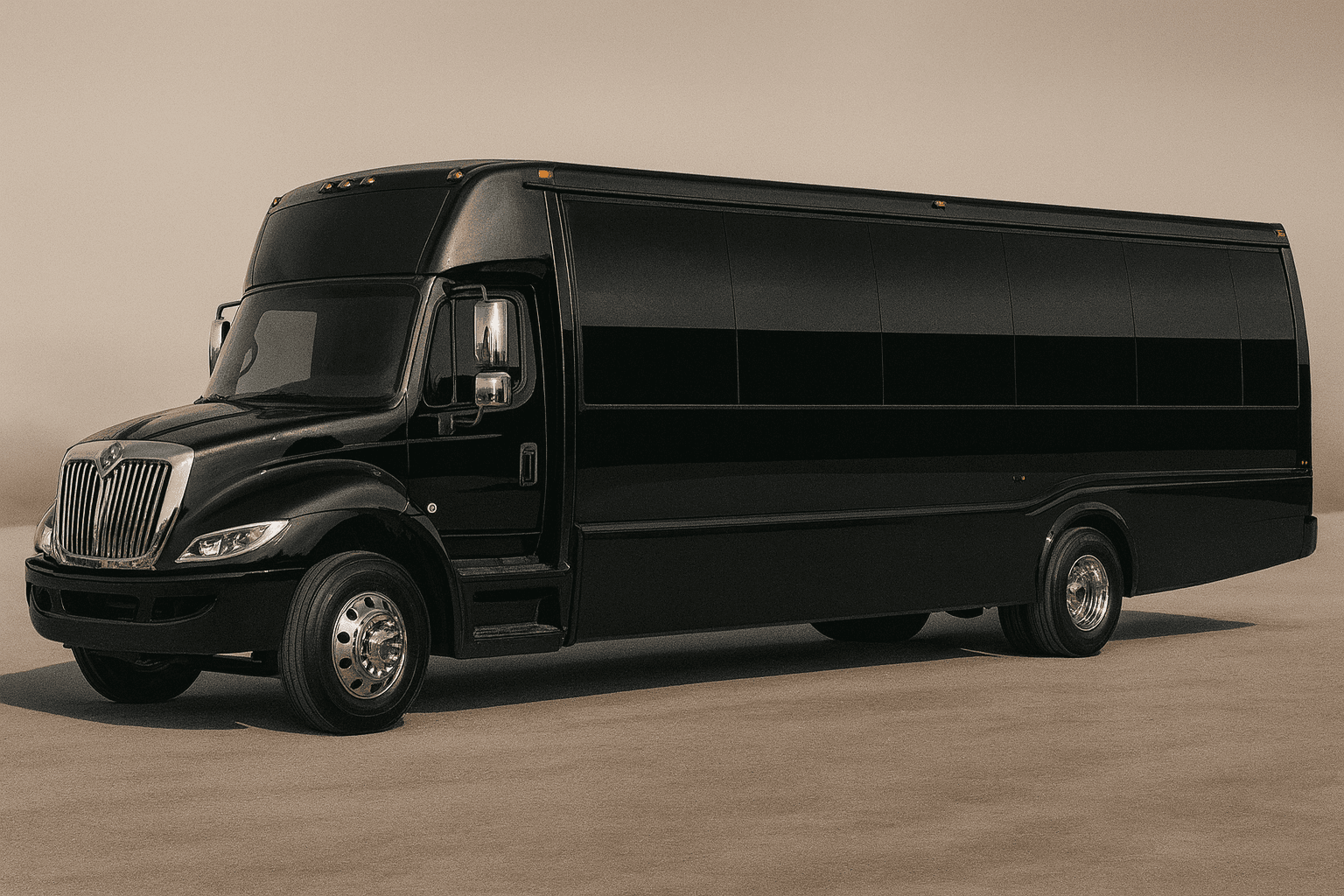
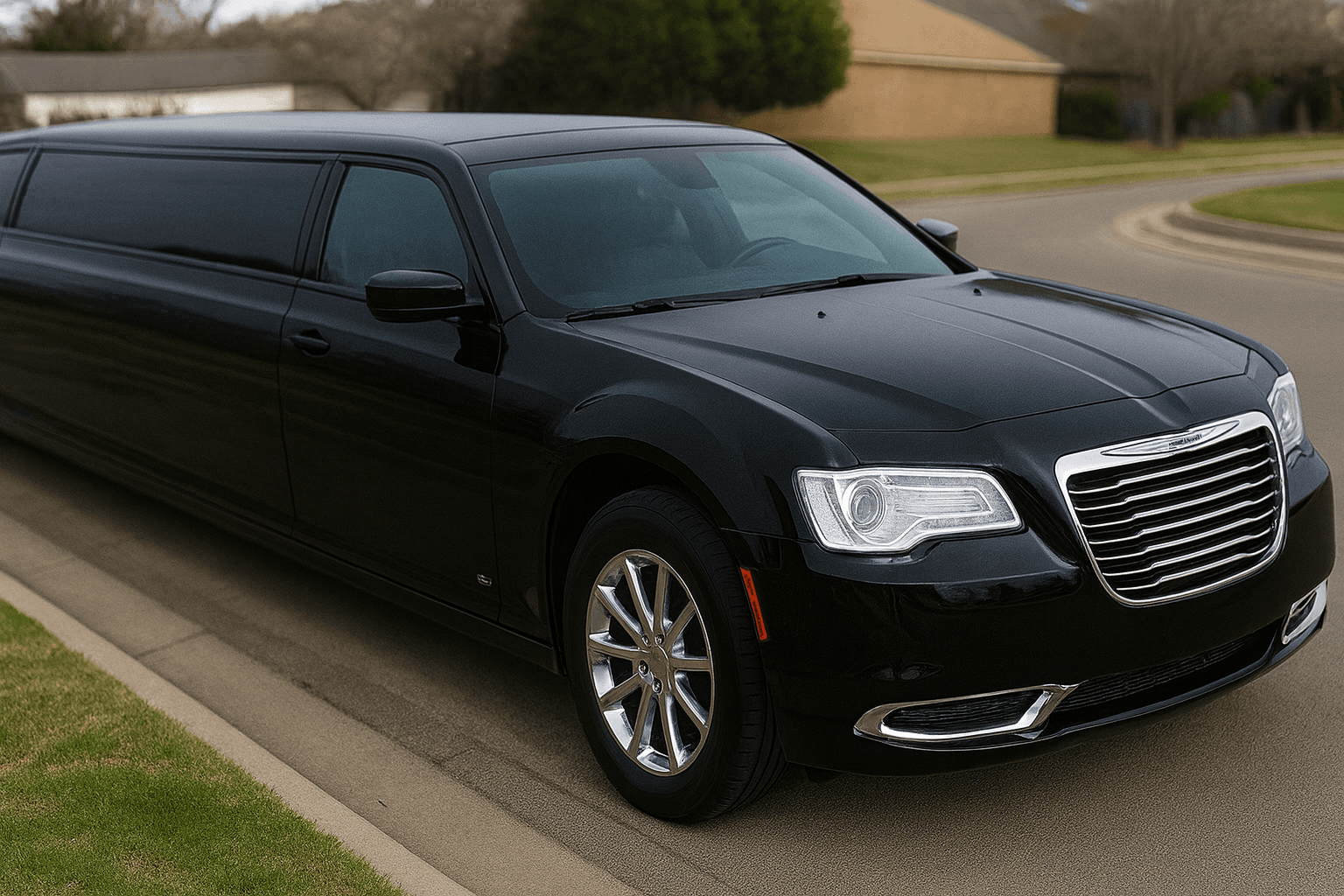
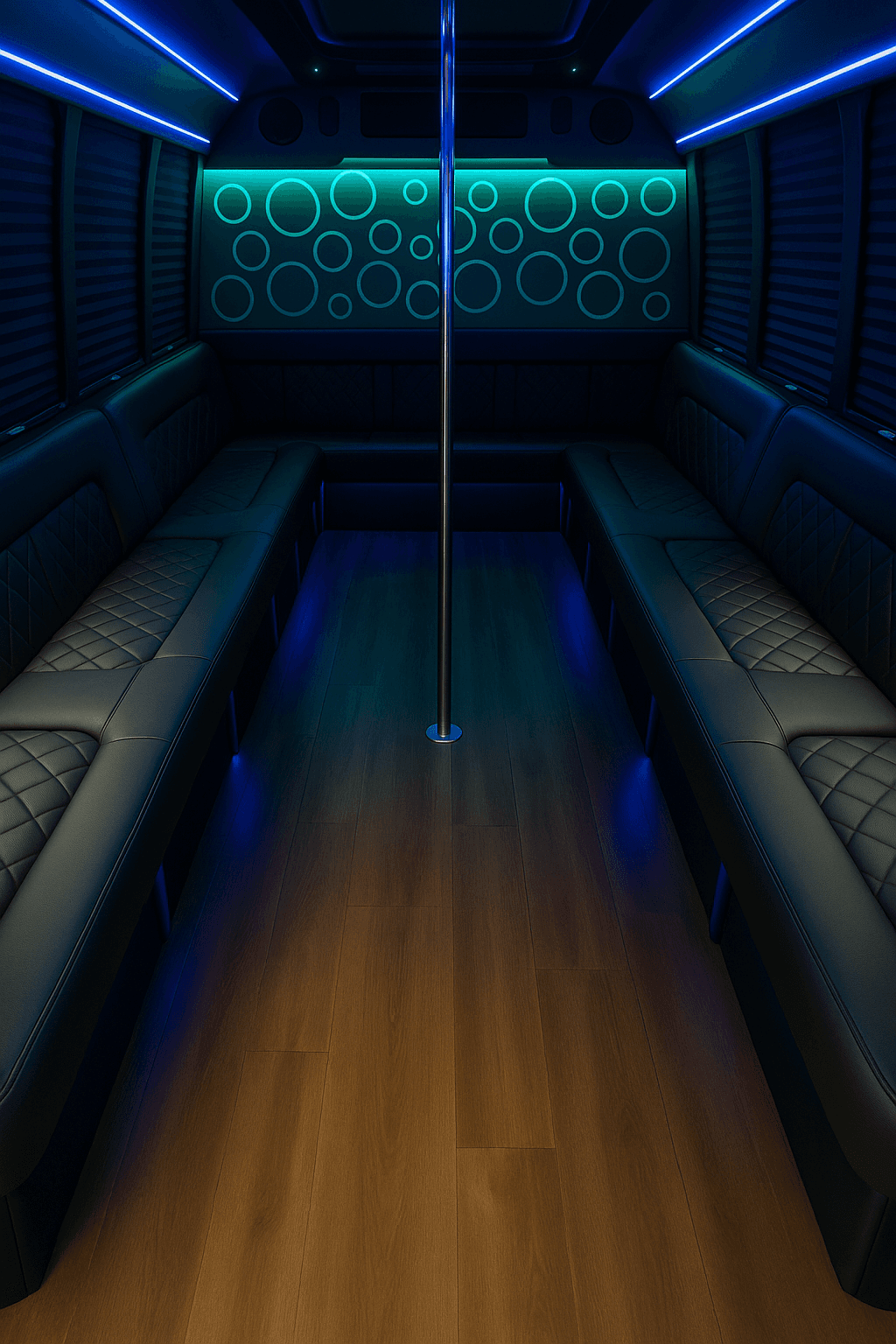
- The vehicle. A 14-passenger limo Sprinter and a 30-passenger party bus are different vehicles with different numbers. Empty seats ride along on the total.
- The season. February through May is our crowded stretch. The Phoenix Open, spring training, prom and pool-weather bachelorette weekends all land in it.
- The distance. A pickup in Surprise for a night in Old Town puts a long freeway drive inside your hours at both ends.
- The date itself. New Year's Eve, a big concert, a prom Saturday. Everyone's after the same vehicles at once.
Give us the whole route when you ask. A quote built on your real stops beats one built on a guess, and it saves a round of back-and-forth before your date gets held.
Why four hours runs out fast
Two out of three Phoenix groups ask for four hours, and for most nights that's right. A pickup, two or three stops, and the ride home.
What breaks it is distance. Tempe to Old Town Scottsdale is nothing. Glendale to Old Town is a real drive, and a Gilbert pickup with a Westgate stop spends a good chunk of the night on the 101.
If your stops are spread across the Valley, check each leg in the drive time calculator before you settle on a number. And if you think the night might run long, ask about the fifth hour when you call, along with how time past your end time gets billed.
What to have ready before you call
A complete request gets you a number you can rely on. Have these in hand:
- The date, plus a backup date if your group can move.
- The pickup address and city.
- A rough stop list and where everyone ends the night.
- A headcount range, like 14 to 18, rather than one guess.
- Your start time and the hours you think you need.
- The occasion. A wedding shuttle and a bar crawl get planned differently.
Still arguing about headcount? Run it through the group size calculator first so you ask about the right vehicle the first time. If you're sitting between two sizes, just ask about both. We'd rather send two numbers than the wrong one.
Reading the quote when it lands
The written quote is the only number that counts, and the useful questions are all about what's on it. Ask us straight out:
- Is chauffeur gratuity on the quote, or left to the group?
- Are fuel, tolls and parking in the total?
- What happens if the night runs past the end time?
- What's due to reserve, and when's the balance due?
- What's the alcohol policy? Anyone drinking on board has to be 21 or older.
Compare quotes on the same terms: same date, same hours, same size of cabin. A lower total with one hour less is a different night, not a better deal.
When the real number is in front of you, drop it into the event budget planner as your transportation line and build the rest of the night around it.